Human Agriculture and the Soiling of Earth’s Water

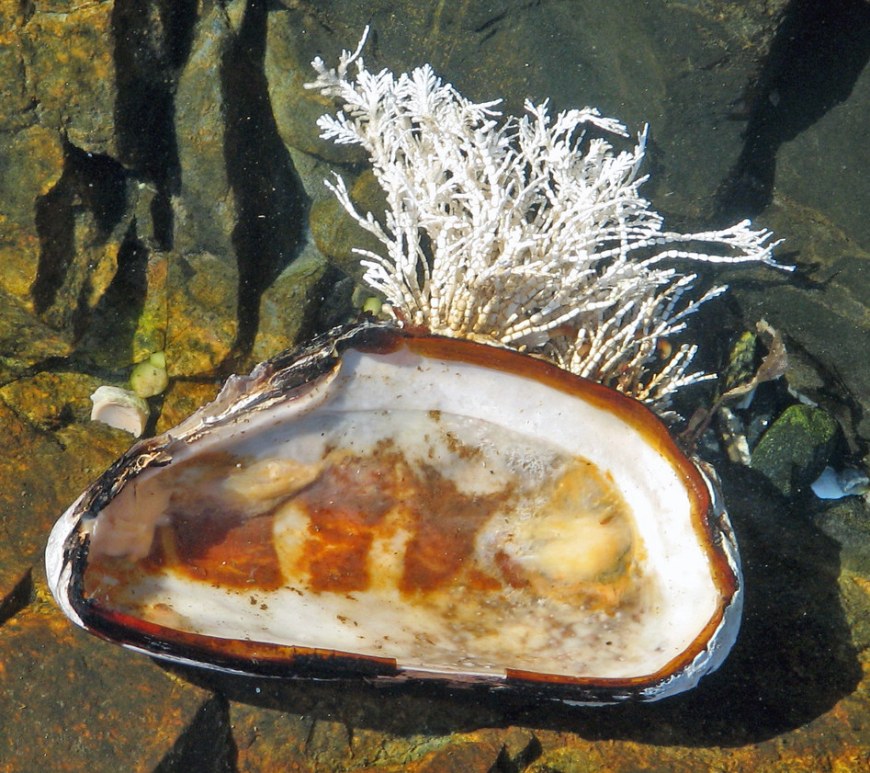
Jaenai Tercius, Class of 2028 A major form of pollution brought by industrial human activity is water pollution. Agriculture is a major contributor to water pollution due to runoff from nitrogen-based fertilizers, especially in coastal areas. Nitrogen is an essential nutrient for aquatic organisms, but when present in excess, nitrogen can lead to the overgrowth of organic matter and a decrease in oxygen in water, … Continue reading Human Agriculture and the Soiling of Earth’s Water

Modeling Debris Patterns in the Antarctic to Protect Biodiversity

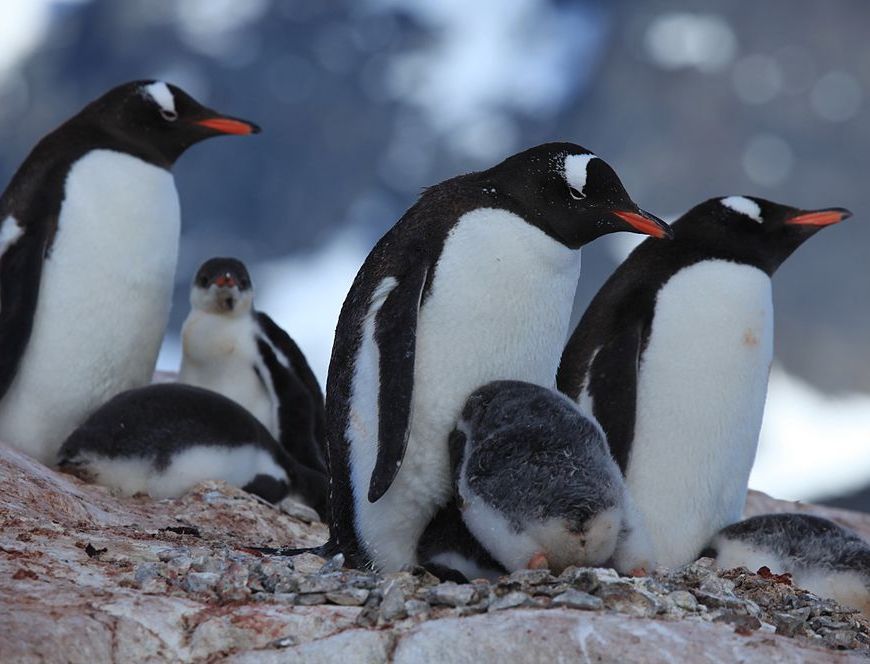
Marie Collison, Class of ‘25 Image 1 Gentoo penguins in Antarctica Marine pollution is a prominent problem in environmental policy and study. Reports of pollution in organisms in the Antarctic are becoming increasingly common, likely due to increasing human activity, growing tourism, and an expanding krill fishing industry. However, the sources of these pollutants along the West Antarctic Peninsula are still poorly understood. There are … Continue reading Modeling Debris Patterns in the Antarctic to Protect Biodiversity

Listen to Your Heart: The Risk of Spatial Environmental Factors on CVD-related and All-cause Mortality

Peter Gillespie ’25 Recent research from Dr. Paola Boffetta and his colleagues suggest that spatial and environmental factors around us can negatively affect our well-being. Dr. Boffetta and his team conducted a study that assesses how spatial environmental factors (SEF), or our proximity to both harmful or helpful environmental and social influences, affect both all-cause mortality and mortality due to cardiovascular disease (CVD).  The study … Continue reading Listen to Your Heart: The Risk of Spatial Environmental Factors on CVD-related and All-cause Mortality

Figure 1. Warming in places like Mount Kenya is steeper than current climate models predict.

High-Elevation Warming is Steeper than Previously Expected

By Megan Tan ’19 The Earth is warming at about two degrees annually at sea level. Though it is estimated that high-elevation warming occurs more steeply, it is difficult to measure due to environmental factors such as radiation and humidity which have made it challenging to accurately quantify past temperature changes. Shannon E. Loomis, a postdoctoral fellow at the Department of Earth, Environmental, and Planetary … Continue reading High-Elevation Warming is Steeper than Previously Expected

Mitigation in Sea Level Rise Due to Increased Snowfall

by Patrick Yang Many global climate models project that anthropogenic global warming will lead to increased snowfall in Antarctica due to increased moisture in the atmosphere. However, the actual trend in Antarctica shows a discrepancy. Surface mass balance (SMB), the difference between the amount of snow accumulated and sublimated, has not shown any significant increase, despite the rise in global temperature. This discrepancy may be … Continue reading Mitigation in Sea Level Rise Due to Increased Snowfall

The Removal of Coal Mine Contaminates

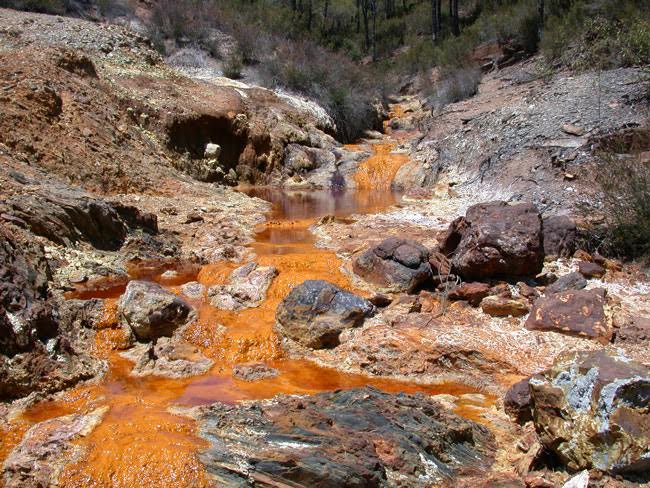
by Jenna Mallon (’18) Numerous abandoned coal mines exist throughout the US, many of which are consistently spewing toxic drainage, known as Acid Mine Drainage (AMD), into our waters. AMD leads to elevations in sulfuric acid, iron, aluminum, and manganese levels, which leads to extensive environmental damage. Scientists have struggled to find a cost-effective and efficient way of removing these substances. It has been hypothesized … Continue reading The Removal of Coal Mine Contaminates

Researchers Find Correlation Between Pollen Storages and Foraging Activity

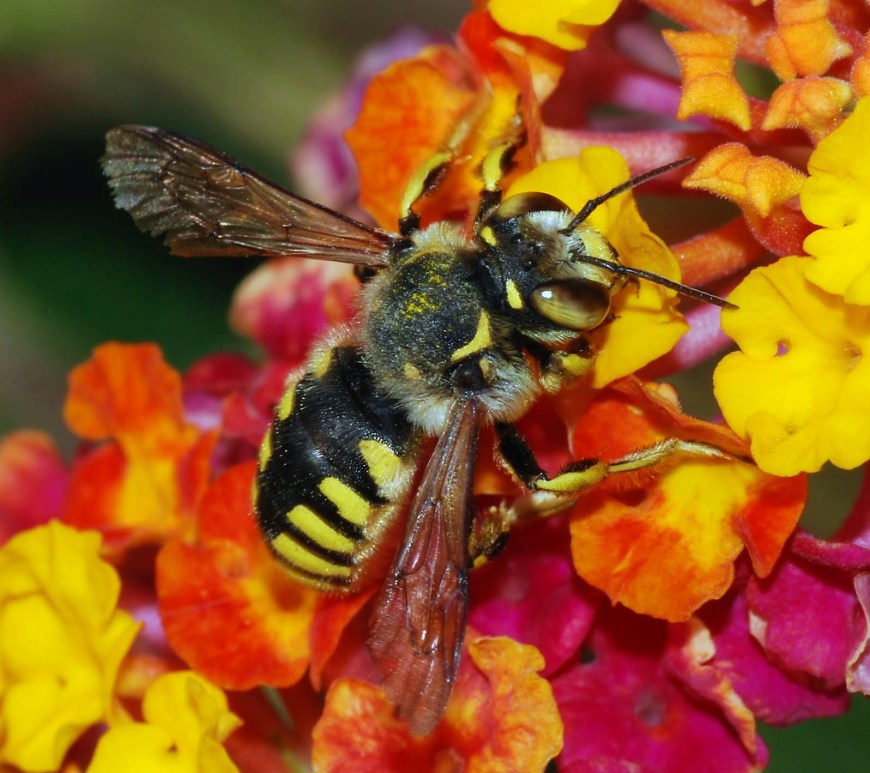
by Jenna Mallon (’18) A lot goes on inside the hives of Apis mellifera, commonly known as the western honeybee, to keep the colony of bees alive and healthy. Forager bees work outside the hive to collect water, pollen, nectar, and resin: all of which are necessary for the survival of the bees. Collecting pollen and understanding the behavior and action of forager bees has … Continue reading Researchers Find Correlation Between Pollen Storages and Foraging Activity

Filtering Power Plant Exhaust with a CO2 Fastlane

By Meghan Bialt-DeCelie ’19   With the increasing amount of carbon dioxide gas contributing to global climate change, scientists are struggling to find strategies to reduce it. The usage of hybrid polymer-MOF membranes is being explored as a possible strategy because of their energy and cost efficiency in comparison to previous methods of gas separation. However, these membranes need to be improved in their carbon dioxide … Continue reading Filtering Power Plant Exhaust with a CO2 Fastlane

2015 Named Hottest Year on Record

By Shannon Bohman ’19 The National Oceanic and Atmospheric Association reported that 2015 has replaced 2014 as the hottest year on historical record. An unusually large El Niño pattern in the Pacific Ocean contributed to these record temperatures. However, most of this can be explained by global warming created due to the emission of greenhouse gases. As the atmosphere warms, it holds more water vapor. … Continue reading 2015 Named Hottest Year on Record