Are There Racial Differences in Cancer?

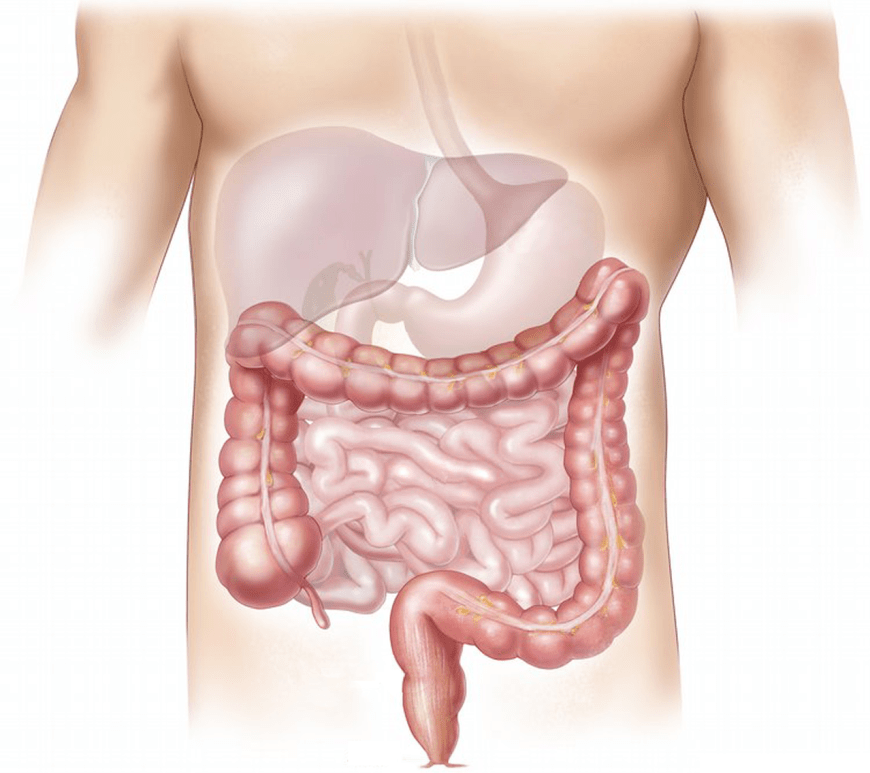
By Cerise Carey Americans of African descent are at a higher risk for developing gastrointestinal (GI) cancers than other individuals, but are there racially determined differences in the cancer itself? Dr. Ellen Li and her colleagues from Stony Brook University are teaming up with SUNY Downstate and Cold Spring Harbor Laboratory to try to find an answer to this question by looking into the biological … Continue reading Are There Racial Differences in Cancer?


Images of a Replisome Offer a New Look at DNA Replication

By Cerise Carey Scientists have never been able to capture an image of the molecules behind DNA replication until now. A team of researchers from Stony Brook University, Brookhaven National Laboratory, and Rockefeller University, including Dr. Huilin Li of Stony Brook University’s Department of Biochemistry and Cell Biology, were able to produce the first real structural image of a replisome using electron microscopy techniques. A … Continue reading Images of a Replisome Offer a New Look at DNA Replication

Scientists Use Computer Modeling to Determine if Information is Contagious

By Lee Ann Santore Stony Brook University’s own researchers, Christian Luhmann and Suparna Rajaram, have conducted a study that will make students think twice about studying with a group. The study aimed to determine whether or not information is contagious in the same way that behaviors like smoking are. Their experiment involved the use of advanced computer modeling to simulate individuals and groups of humans. … Continue reading Scientists Use Computer Modeling to Determine if Information is Contagious

Scientists Penetrate the Blood-Brain Barrier Using Microscopic Bubbles

By Lee Ann Santore The blood-brain barrier acts as a shield to the brain and prevents toxins from reaching the central nervous system. Unfortunately, it also prevents the passage of medicines into the brain. A team of Canadian researchers from the Sunnybrook Health Sciences Centre, led by Todd Mainprize, has developed a technique to penetrate the blood-brain barrier by injecting microscopic bubbles into the bloodstreams … Continue reading Scientists Penetrate the Blood-Brain Barrier Using Microscopic Bubbles

Microflowers Offer an Innovative New Microform Structure

By Lee Ann Santore Microforms that take on the structure of flowers could be the future of cutting-edge technology. A team of researchers, from the RMIT-Indian Institute of Chemical Technology Research Centre, led by Dr. Sheshanath Boshanale, succeeded in developing microforms, microscopic images used for storage of larger images, with flower-like structures. The microflowers have exciting potential in many fields, such as optoelectronics, nanotechnology, and … Continue reading Microflowers Offer an Innovative New Microform Structure

Amblyomma americanum and a New Disease

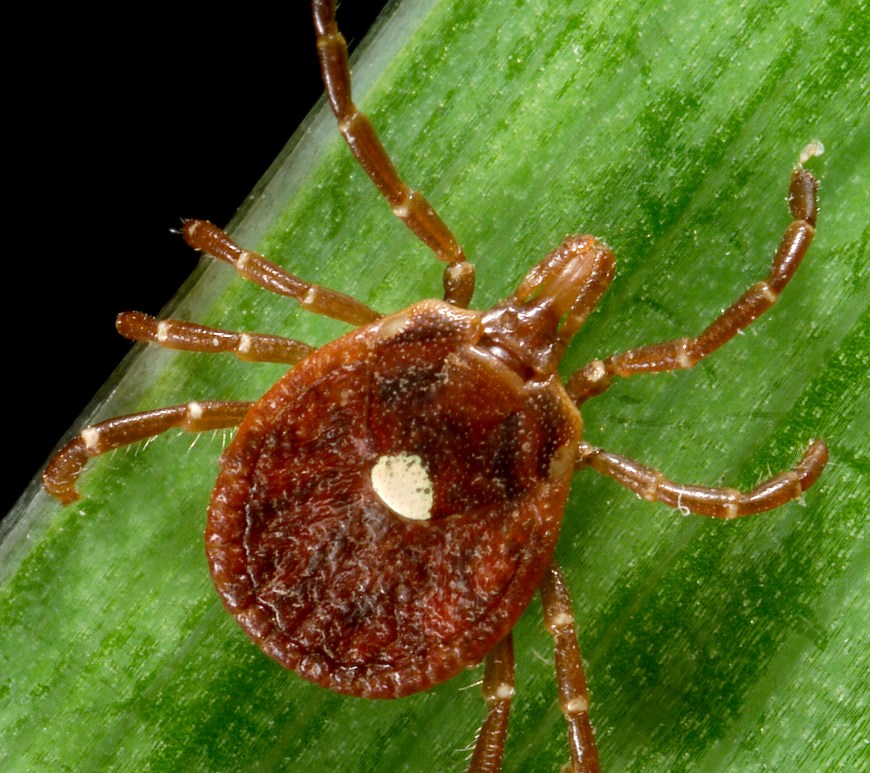
By Karis Tutuska As bloodsuckers and disease-carriers, ticks are many people’s worst nightmares. However, a recent study conducted by the American Society of Tropical Medicine and Hygiene has shown that the rapid spreading of an aggressively-biting, disease-carrying tick species may be a blessing in disguise. Rocky Mountain spotted fever is an often-deadly disease carried by American dog ticks. Since 2012, the number of reported cases has … Continue reading Amblyomma americanum and a New Disease

Study Suggests Children with Religious Upbringing are Less Altruistic

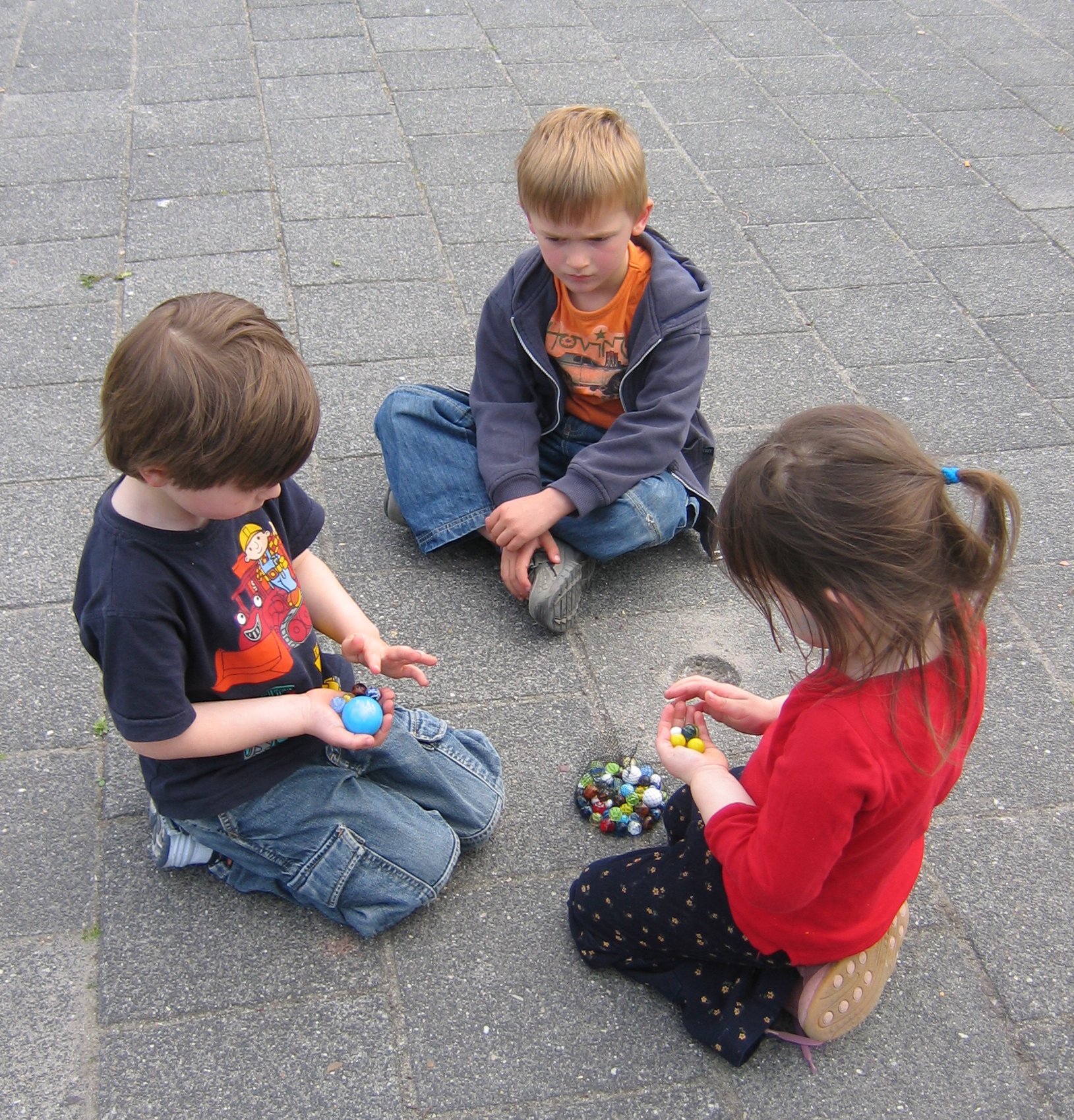
By Karis Tutuska Image Acquired from: https://upload.wikimedia.org/wikipedia/commons/a/a5/Children_marbles.jpg Figure Caption: Study tests altruism in children with religious and non-religious upbringings Many assume that religion plays a crucial role in a child’s moral development. However, a recent study at the University of Chicago suggests that children raised with a religious background are less altruistic than those who are were raised secularly. The experiment was conducted on children aged … Continue reading Study Suggests Children with Religious Upbringing are Less Altruistic

A Snapshot of the Memory Mechanism

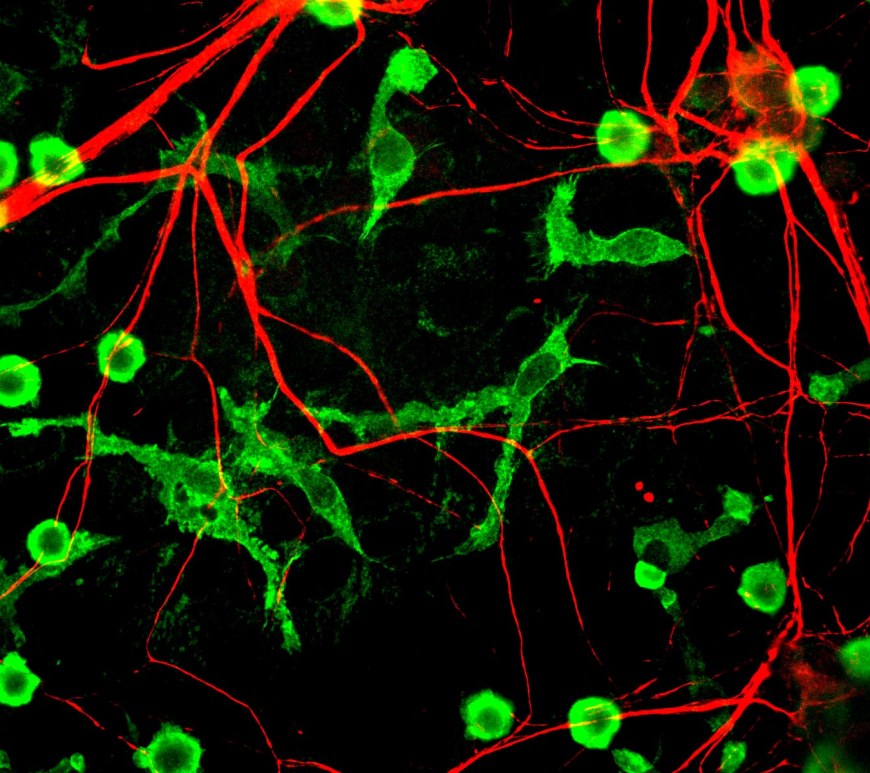
By  Karis Tutuska Image Acquired from: https://en.wikipedia.org/wiki/Internexin#/media/File:Microglia_and_neurons.jpg  Figure Caption: Neurons predisposed to joining networks that take place in learning may provide a visual of the memory mechanism Have you ever wondered what memories look like? A group of neuroscientists at Rosalind Franklin University of Medicine and Science have captured a visual of the memory mechanism by studying the swim motor program of Tritonia, a genus … Continue reading A Snapshot of the Memory Mechanism

GMO-less GMOs

By Meghan Bialt-DeCelie Image Acquired from: https://en.wikipedia.org/wiki/Cas9 Figure 3: The Cas9 complex can be used for modifying the genome of edible plants without introducing foreign DNA   Although genetically modified organisms with DNA from another species (GMOs) have effectively maintained food supply, recently, there have been concerns about the safety of consuming them. To avoid the shunned upon and highly regulated label of GMO, researchers from … Continue reading GMO-less GMOs

Light Therapy vs Cognitive Behavioral Therapy

By Meghan Bialt-DeCelie Image Acquired from: https://en.wikipedia.org/wiki/Light_therapy Figure 2: An example of a light source commonly used in light therapy to treat Seasonal Affective Disorder.   With shorter days and winter approaching, over 14 million Americans experience Seasonal Affective Disorder (SAD) or the “winter blues”. Commonly used, light therapy tackles the biological causes of SAD by exposing one to an artificial light for a period of … Continue reading Light Therapy vs Cognitive Behavioral Therapy

Sleeping on the Right Side of the Bed

By Meghan Bialt-DeCelie Image Acquired from: https://en.wikipedia.org/wiki/Sleep_and_weight Figure 1: The lateral sleeping position, found to be the best position for the efficiency of the glymphatic pathway. According to a recent study led by Hedok Lee, PhD and Helene Beneveniste, MD, PhD of Stony Brook University, the position you sleep in affects your body’s efficiency to remove metabolic wastes from the brain in a process called Glymphatic … Continue reading Sleeping on the Right Side of the Bed

Confirmation of Quantum Mechanics

By Shannon Bohman Image acquired from commons.wikipedia.org Figure 1 This picture shows the physics building at Delft University of Technology in the Netherlands.   Netherland scientists of Delft University of Technology claimed to have proven quantum entanglement, the idea that if two particles’ spins are aligned, they can still influence each other at all times, no matter the distance between them. Two diamonds, each containing … Continue reading Confirmation of Quantum Mechanics