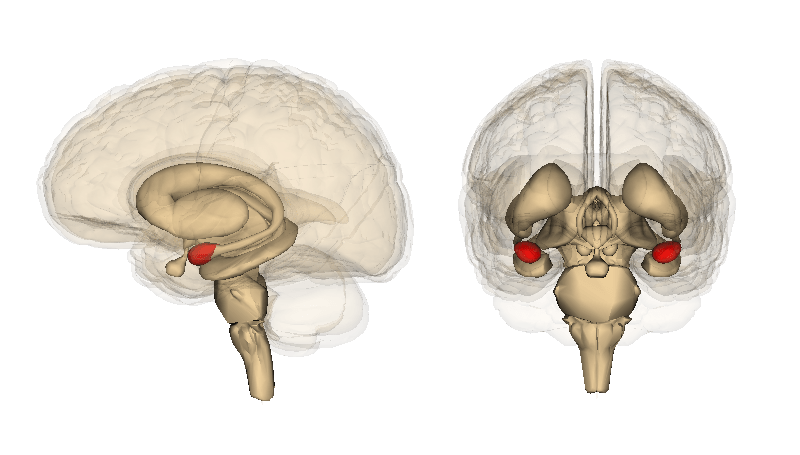
Do Signals in the Brain Control Our Taste Preferences?

Kang Lai, Class of 2026 Our perception of taste profoundly influences our calorie intake and food preferences, and even serves as a defense mechanism from harmful substances. The gustatory insular cortex, a key brain region associated with taste, is closely linked to eating patterns and disorders. While neuronal circuits in this region have been studied, its neurochemical signaling remains obscure.  The Maffei lab at Stony … Continue reading Do Signals in the Brain Control Our Taste Preferences?


Early Taste Experiences Drive Neural Responsiveness and Plasticity in Gustatory Cortex Circuits

Vignesh Subramanian ’24 An individual’s taste preference strongly influences their food choice, impacting their diet and, in turn, their health. Taste preference is defined as an individual’s partiality towards a particular food based on their sensory perception of its taste modalities (sweet, sour, salty, bitter, etc.), flavor, texture, and a host of other factors, and is in part guided by early experiences that identify foods … Continue reading Early Taste Experiences Drive Neural Responsiveness and Plasticity in Gustatory Cortex Circuits

Conditioned Taste Aversion Depends on Long-Term Depression of Neuronal Signaling

Vignesh Subramanian ’24 Conditioned taste aversion (CTA) is a learned association, made by humans as well as other animals, between the taste of food consumed and a subsequent period of illness assumed to be caused by said consumption. This period of illness is paired with an aversive stimulus, such as gastrointestinal malaise, and produces visceral distress that encourages the animal to avoid the food in … Continue reading Conditioned Taste Aversion Depends on Long-Term Depression of Neuronal Signaling