

Sean Krivitsky, Class of 2026
Neurodegeneration, which is often associated with aging, leads to the development of serious diseases, including Alzheimer’s disease and Parkinson’s disease, that afflict more than 50 million people worldwide. In addition to their devastating impact, neurodegenerative diseases are particularly problematic regarding their prognosis, diagnosis, and treatment. One of the primary factors underlying the development of neurodegenerative diseases is mitochondrial dysfunction. This drives oxytosis/ferroptosis, which are cell death pathways associated with oxidative stress and neurodegenerative diseases.
It is essential to elucidate the mechanism underlying the connection between mitochondrial dysfunction and oxytosis/ferroptosis and identify therapeutic strategies to target this pathway. Recent work led by Dr. Marie Goujon of the Salk Institute for Biological Studies identified flavonoids, a class of antioxidant compounds including sterubin and fisetin commonly found in plants, as strong candidates given their neuroprotective properties and potential to inhibit oxytosis/ferroptosis.
This research group combined proliferation analysis along with other cell-based assays, bioenergetic analysis, and cell morphology studies to characterize oxytotic/ferroptotic cell death induced by a mitochondrial homeostasis inhibitor called RSL3, as well as the ability of flavonoids to protect against neuronal cell death. They discovered that both sterubin and fisetin treatment reduced RSL3-induced accumulation of reactive oxygen species, which cause oxidative stress and can lead to oxytosis/ferroptosis. Specifically, sterubin and fisetin upregulated the expression of the proteins NRF2 and HO-1, which are involved in cellular antioxidant defense, facilitating the observed restoration of mitochondrial redox homeostasis.
The influx of calcium ions into cells and mitochondria has also been identified as a mechanism by which oxidative stress is increased and oxytosis/ferroptosis is induced. Fisetin and sterubin were found to facilitate calcium ion homeostasis in the mitochondria to prevent this increase in both mitochondrial stress and oxytosis/ferroptosis in neuronal cells. In addition to general mitochondrial stress, aging, and neurodegenerative disease-associated oxytosis/ferroptosis have been associated with impairment of mitochondrial bioenergetics. Upon treatment of neuronal cells with RSL3, the researchers revealed that sterubin and fisetin prevented any dampening of mitochondrial bioenergetics and even improved the overall efficiency of mitochondrial ATP production.
Ultimately, this groundbreaking study helps identify antioxidant compounds with strong neuroprotective effects that have the potential to prevent the onset or progression of neurodegenerative diseases. However, further research is required to help improve the bioavailability of these compounds to truly realize their neuroprotective effects.

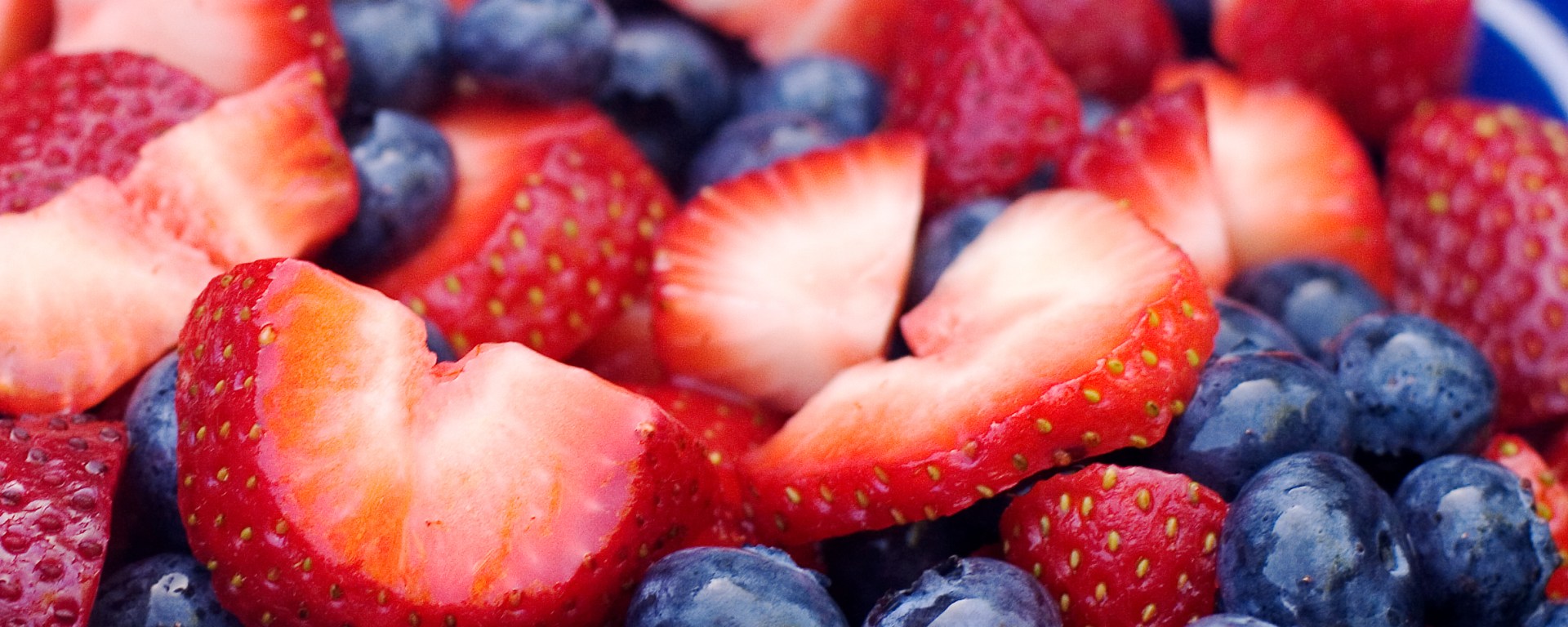
Figure 1: Image of strawberries and blueberries, two fruits well-known for possessing high flavonoid content, specifically anthocyanidins
Works Cited:
[1] M. Goujon, et al., The neuroprotective flavonoids sterubin and fisetin maintain mitochondrial health under oxytotic/ferroptotic stress and improve bioenergetic efficiency in HT22 neuronal cells. Antioxidants 13, 460 (2024). doi: 10.3390/antiox13040460
[2] Neurodegenerative diseases. Cleveland Clinic, (2023).
[3] Image retrieved from: https://commons.wikimedia.org/wiki/File:Strawberries_and_blueberries_(748900850).jpg
 Young Investigators Review
.jpg)