Discrimination During COVID-19 Exacerbates Academic Disconnect of Asian Students

Zhifei Zeng ’23 Since January 2020, the world has been suffering from a pandemic brought about by COVID-19. In addition to the direct health threat posed by the virus, a survey showed that the rate of racist and xenophobic attacks against Asians increased all over the globe, especially in the United States. In fact, the Stop AAPI Hate Reporting Center has reported 3,800 hate crimes … Continue reading Discrimination During COVID-19 Exacerbates Academic Disconnect of Asian Students


Novel Early Childhood Predictors for Eating Disorders Give Hope for Improved Treatment

Peter Gillespie ’25 Eating disorders are dangerous and severely impairing mental illnesses that have become extremely prevalent in our youth, affecting up to 13% of young women in particular. Previous studies have identified risk factors, such as sleeping habits and parental eating tendencies, but these findings are inconsistent and focus solely on adolescents, limiting their scope. Dr. Garbrielle Carlson at Stony Brook University researches risks … Continue reading Novel Early Childhood Predictors for Eating Disorders Give Hope for Improved Treatment

Automated Feeding and Restricted Diet Can Lead to Longer Lifespans in Male African Killifish

Yukta Kulkarni ’22 When performing biological research regarding health and disease, it is often not possible to have humans as primary test subjects. Thus, other animals are used for research purposes as they model human developments, have a smaller lifespan, and allow for more efficient research. For example, the African turquoise killifish is a type of fish used for research since it has a lifespan … Continue reading Automated Feeding and Restricted Diet Can Lead to Longer Lifespans in Male African Killifish

Music Shows Positive Effects on Patients with Persistent Somatic Symptoms

Joyce Chen ’23 Somatic symptoms are commonly experienced in everyday life as headaches, fatigue, and bloating. Typically, these symptoms are short-lived. However, individuals with somatic symptom disorder (SSD) or a depressive disorder (DEP) have lingering somatic symptoms for months and even years. In addition to these physical symptoms, individuals may suffer from anxiety and intrusive thoughts. There have been attempts to mitigate such disorders in … Continue reading Music Shows Positive Effects on Patients with Persistent Somatic Symptoms

Repairing Damaged Vocal Cords

Aditi Kaveti ’23 Human vocal cords are structures in the larynx, just above the trachea, that vibrate to create a buzzing tone that becomes what we know as the human voice. This vibration works through resonance, which is the shaping and amplification of sound waves. In patients with laryngeal cancer, vocal cords are at risk due to the mass forming on the glottis. Signs of … Continue reading Repairing Damaged Vocal Cords

How do Stem Cells Transduce Signals Sensed by Mechanical Vibration?

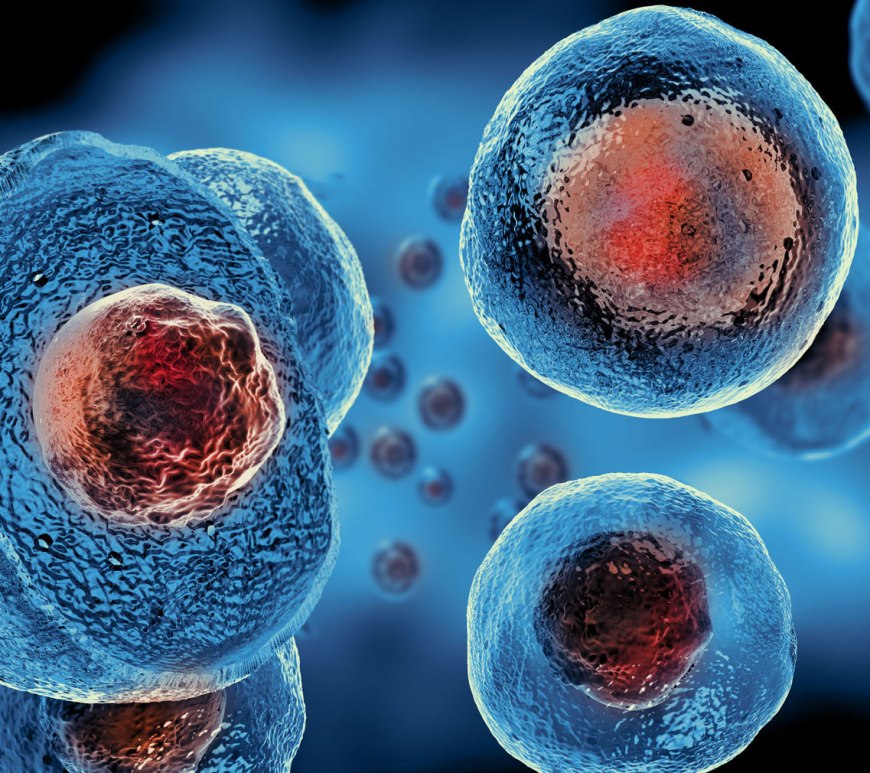
Aditi Kaveti ’23 The field of medicine was revolutionized by the discovery of induced pluripotent stem cell (iPSC) techniques and the remarkable ability of these cells to solve various limitations in cell culture, including cellular proliferation and potency. Bioengineers are working to take advantage of the ability of these cells to improve cellular manufacturing and mechanization efficiency. A recent field of interest has been the … Continue reading How do Stem Cells Transduce Signals Sensed by Mechanical Vibration?

Analysis of Female Pupillary Response as a Potential Reflection of “Cuteness”

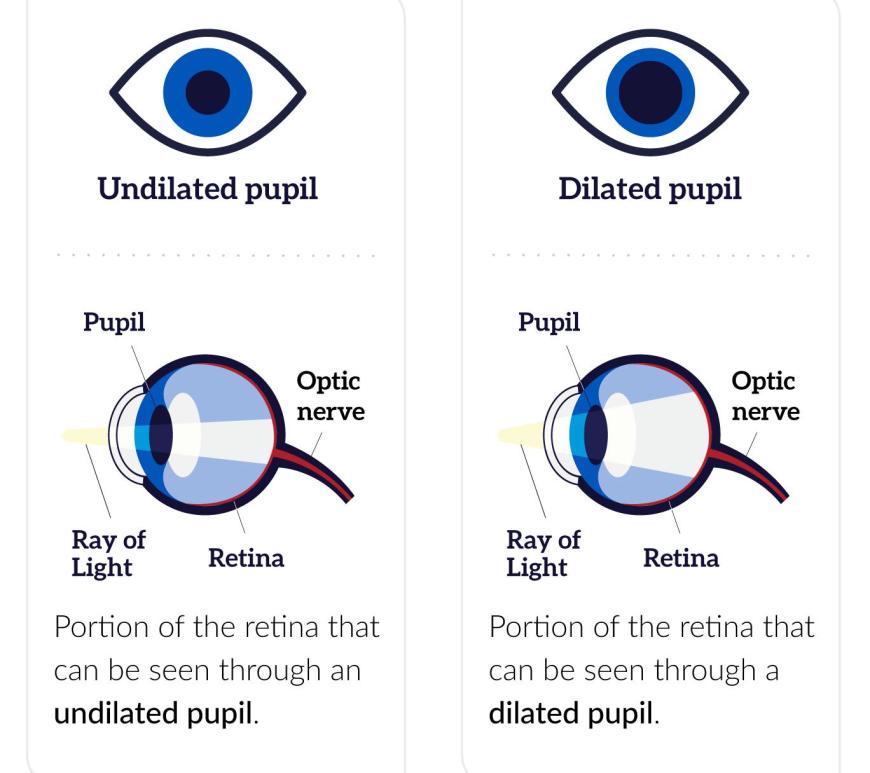
Ayesha Azeem ’23 Observing something “cute” facilitates communication, as perceiving cuteness narrows perceptual attention and makes it difficult to focus on peripheral vision. Previous research has indicated that female reproductive hormones allow women to be more sensitive and attuned to perceiving cuteness. Because women have historically played the role of primary caregiver, evolutionary psychology suggests that cuteness motivates people to raise a child, which may … Continue reading Analysis of Female Pupillary Response as a Potential Reflection of “Cuteness”

Fall 2021 Journal is Published!

Link to Journal: https://issuu.com/younginvestigatorsreview/docs/sbyir_fall_2021_journal_final_for_issuu_2 Every semester, SBYIR publishes a science journal highlighting research and topics in STEM. This journal is a culmination of effort from our writers and three branches– editorial, layout, and cabinet. This year’s journal theme is the Science of Wellbeing.  Wellbeing is defined as the state of being healthy, happy, and comfortable. When we consider our own wellbeing, we consider what is in … Continue reading Fall 2021 Journal is Published!

Muscle Preservation and Metabolism-Associated Genes Show Activity During Diapause

Joyce Chen ’23 As time progresses, all living organisms will age, decay, and perish. However, there are certain animal species that can halt their biological clocks and no longer develop. This state is known as diapause. The African Killifish are known organisms that can undergo diapause in order to survive unfavorable conditions, such as dry periods in the environment. Many of these fish remain in … Continue reading Muscle Preservation and Metabolism-Associated Genes Show Activity During Diapause

Anti-Microglial Hyperactivity Drug Action May Block Alzheimer’s Disease Progression

Vignesh Subramanian ’24 Alzheimer’s disease (AD) is a neurodegenerative disorder characterized by progressive loss of memory, critical thinking skills, and behavioral capabilities that typically worsens with age. As the most common form of late-stage dementia, numerous risk alleles – variants of a gene that make a particular disease’s development more likely – have been identified for AD. Prominent among these is the triggering receptor expressed … Continue reading Anti-Microglial Hyperactivity Drug Action May Block Alzheimer’s Disease Progression

Neural Mechanism May Explain Variability of Social Ability in Autism

Vignesh Subramanian ’24 Autism spectrum disorder (ASD) is a neurodevelopmental disorder involving significant challenges with communication, behavior, and social skills. The range of conditions encompassed by the term is most often characterized by limited but intense interests, repetitive patterns of behavior, difficulty maintaining or regulating interactions with other people, and difficulty synchronizing facial expressions or motor movements with speech. It has long been believed that … Continue reading Neural Mechanism May Explain Variability of Social Ability in Autism

How the Motor Cortex Plays a Role in Parkinson’s Disease

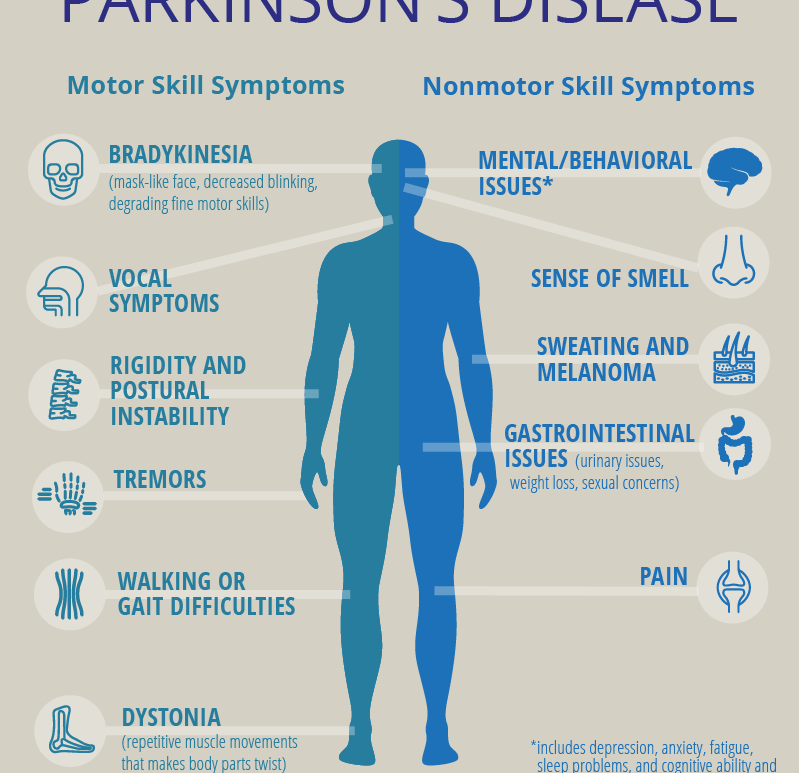
Ayesha Azeem ’23 Parkinson’s Disease is a brain disorder that leads to shaking, stiffness, and difficulty with walking and balance. The symptoms gradually begin and get progressively worse over time. Although neuroscientists understand the role of neuron and dopamine loss in Parkison’s Disease, little is known about how dopaminergic modulation affects brain regions that are involved in the control of voluntary movement. In the primary … Continue reading How the Motor Cortex Plays a Role in Parkinson’s Disease