Novel Method Helps Reveal Prognosis of Non-Small Cell Lung Cancer

Gaurav Sharma ’22 For the past couple of years, lung cancer has been responsible for the most cancer-related deaths in the general population. One variation of lung cancer is non-small cell lung cancer (NSCLC) which constitutes more than 80% of tumor growths originating in the lungs. NSCLC can be treated but 40% of patients have a recurrence of NSCLC highlighting the critical need for a … Continue reading Novel Method Helps Reveal Prognosis of Non-Small Cell Lung Cancer

The EMS Project

Wendy Wu ’22 Microbial life is usually associated with bacteria and archaea, often overlooking the existence of protists, eukaryotic microbes. Recent research has shown protists to play vital roles in their environment, especially in driving marine biogeochemical cycles and food webs. The ocean, which spans 70% of Earth’s surface, is home to a variety of microbial life. Despite this fact, there is a lack of … Continue reading The EMS Project

The Future of COVID-19 Testing

Wendy Wu ’22 COVID-19 is a disease caused by a newly discovered coronavirus: SARS-CoV-2. First identified in Wuhan, China in late 2019, the coronavirus disease has become a pandemic within a matter of months, causing worldwide panic and hysteria. In this short time, nations and the World Health Organization struggled to contain the outbreak. In addition to treatment and vaccines, developing a test for COVID-19 … Continue reading The Future of COVID-19 Testing

Implications of Solar Geoengineering

Ashley Goland ’23 Solar geoengineering is a technology that aims to reflect incoming sunlight away from the Earth to reduce the rise of global temperatures, and one proposed approach is to send aerosols into the atmosphere. Although this method may seem like a quick, relatively cheap way to delay further climate change, the effects it could have upon marine and terrestrial organisms are not yet … Continue reading Implications of Solar Geoengineering

Trispecific Antibodies in Anticancer Immunotherapy

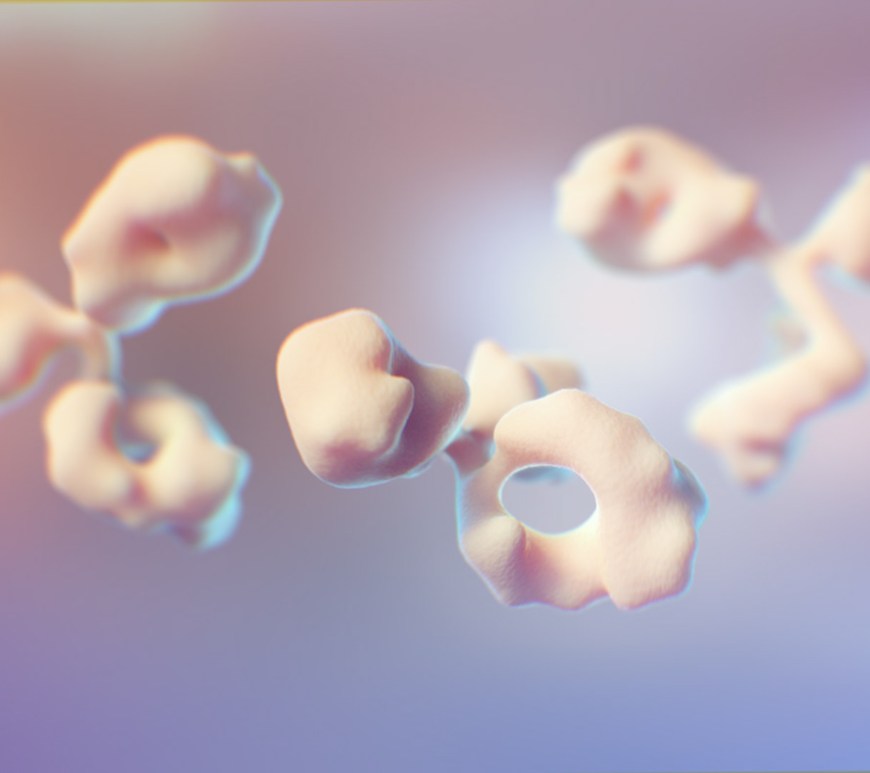
Ashley Goland ’23 Immunotherapy is a form of cancer treatment that utilizes the body’s own immune system to destroy cancerous tumors and has shown promise in past animal and clinical human trials. For all of its dazzling successes to date, however, immunotherapy is not completely effective for treating the full range of cancer types and patients— yet. Scientists working in Sanofi Research and Development believe … Continue reading Trispecific Antibodies in Anticancer Immunotherapy

Cryopreservation of semen without using egg yolk

Panayiota Siskos ’23 Cryopreservation of semen conserves genetic information and allows fertilization via artificial insemination. Egg yolk is an ingredient of bull semen extender, which buffers sperm from temperature and environmental stressors. However, egg yolk composition is very variable between different producers. Cholesterol is a molecule that strengthens membrane structures. Increasing cholesterol content in sperm plasma membrane increases cryotolerance, allowing sperm to survive freezing temperatures. … Continue reading Cryopreservation of semen without using egg yolk

Does Reward Responsivity Moderate or Mediate Effects of Parental Depression on Offspring?

Panayiota Siskos 2023 Figure 1: Depression alters the reward responsivity, and is described as having less tendency to adjust behavior or put in effort for rewards. Depression has alterations in reward responsiveness constructs with subjective experiences of pleasure and neural activation for rewarding. Alterations may be assessed with neurophysiological measures including reward positivity event-related potential which correlates with positive emotionality in kids, behavioral, and self-report … Continue reading Does Reward Responsivity Moderate or Mediate Effects of Parental Depression on Offspring?

Our Health Can Affect Our Appearance on Social Media

Ayesha Azeem ‘23 Due to the current Coronavirus pandemic, social distancing is in full effect, and one of the few ways in which we can remain in touch with our loved ones is on social media. Social media encompasses a large part of today’s generation’s lives; we present an ideal version of ourselves online, controlling how we want to be perceived by the world. Recently, … Continue reading Our Health Can Affect Our Appearance on Social Media

Fall 2020 SBYIR Journal Theme: Sensory Science

“Sensory Science” Sensory perception is an integral part of everyday life and its applications are cross-disciplinary. Sensory science is a broad scientific theme that involves not only the perception, measurement and analysis of the five basic senses (sight, smell, touch, taste, and hearing), but also includes the perception of other senses (such as pain), the technological applications and development of sensors, and the ecological study … Continue reading Fall 2020 SBYIR Journal Theme: Sensory Science

Announcement: Spring 2020 Journal

We are pleased to announce the release of the 14th edition of our journal! Our writers and staff have worked tirelessly throughout the semester to put this journal together. Click on the link below to see SBYIR Vol. 14 – Scientific Advancement: How does progress help and hurt humanity? We hope you enjoy! https://issuu.com/younginvestigatorsreview/docs/spring2020 Featuring writers: Ayesha Azeem, Joyce Chen, Travis Cutter, Kailyn Fan, Ashley … Continue reading Announcement: Spring 2020 Journal

Announcing the Young Investigators Writing Competition

Calling all Long Island 9th-11th grade students! The Stony Brook Young Investigators Review is excited to launch our very first scientific writing competition! If you would like an outlet to engage your interests in science and writing from home, this is an opportunity for you! To enter, you will compose a 750-1000 word article that analyzes a controversy in one of the following categories: biology, … Continue reading Announcing the Young Investigators Writing Competition

Dexamethasone as a Possible Treatment for Patients Diagnosed with Acute Respiratory Distress Syndrome

Simran Kaur ‘20 Acute respiratory distress syndrome (ARDS) is characterized by the build-up of fluid in the alveoli of the lungs, the main sites of gaseous exchange, causing a lack of oxygen in the body. ARDS is caused by sudden trauma to the lungs, and there currently is no pharmacological treatment for the condition. Researchers in the study sought to determine the efficacy of dexamethasone, … Continue reading Dexamethasone as a Possible Treatment for Patients Diagnosed with Acute Respiratory Distress Syndrome