Hairs on Honey Bees Essential for Pollen Removal

By Rideeta Raquib ’19 Diverse flowering plants evolved during the Cretaceous and Paleogene Periods, nearly 140 to 23 million years ago, and they adapted pollinating insects for better dispersal. Several insect orders that were attracted to flowers and nectar, such as Coleoptera or Diptera became abundant as well. Although the grooming of insects has been prominent over many years, quantitative analysis on the subject is … Continue reading Hairs on Honey Bees Essential for Pollen Removal

Reaching and Grasping Movements Restored in Tetraplegia Patients

By Rideeta Raquib ’19 Tetraplegia is a type of paralysis caused by high-cervical spinal cord injury and can limit reaching and grasping movements. To restore the motor functions lost in these limbs, a tool known as the functional electrical stimulation (FES) applies spatiotemporal stimulation to muscles and peripheral nerves. This simulation has successfully restored grasping in individuals with mid to low level spinal cord injuries. … Continue reading Reaching and Grasping Movements Restored in Tetraplegia Patients

Figure 1. The odd association between anxiety and bowel movements in irritable bowel syndrome is a result of altered gut bacteria.

Exploring the Anxiety Associated with Irritable Bowel Syndrome

By Patrick Yang ‘20 While symptoms of abdominal pain, gas, and diarrhea are implied in its name, irritable bowel syndrome (IBS), a common gastrointestinal disorder, is also often accompanied by anxiety. The odd association with gut and brain behavior has led scientists to believe that there is a disorder of unknown cause between gut-brain communication that results in the concurrent symptoms. Recent research on IBS … Continue reading Exploring the Anxiety Associated with Irritable Bowel Syndrome

The Importance of Synthetic Core Promoters in Yeast Fine-Tuning Expression

    By Caleb Sooknanan ‘20 In genetic engineering, metabolic pathways and genetic circuits can be manipulated in microbes to produce chemicals or activate certain functions. To do this, gene expression must be fine-tuned to balance and optimize protein levels of metabolic enzymes or regulators.  Manipulating these in unicellular eukaryotes often involves core promoter sequences, the minimal portion of the promoter required to initiate DNA … Continue reading The Importance of Synthetic Core Promoters in Yeast Fine-Tuning Expression

Hnery Ng

Interview with Student Researcher Henry Ng

This past month, one of our cabinet members, Benjamin Kerner, had the opportunity to sit down with Henry Ng, a prominent student researcher here at Stony Brook. B: Alright so first question, what is your name, major, and department? H: I’m Henry Ng, and I’m a Biology major, specializing in developmental genetics. I am also a chemistry minor, because chemistry is great. I love it. … Continue reading Interview with Student Researcher Henry Ng

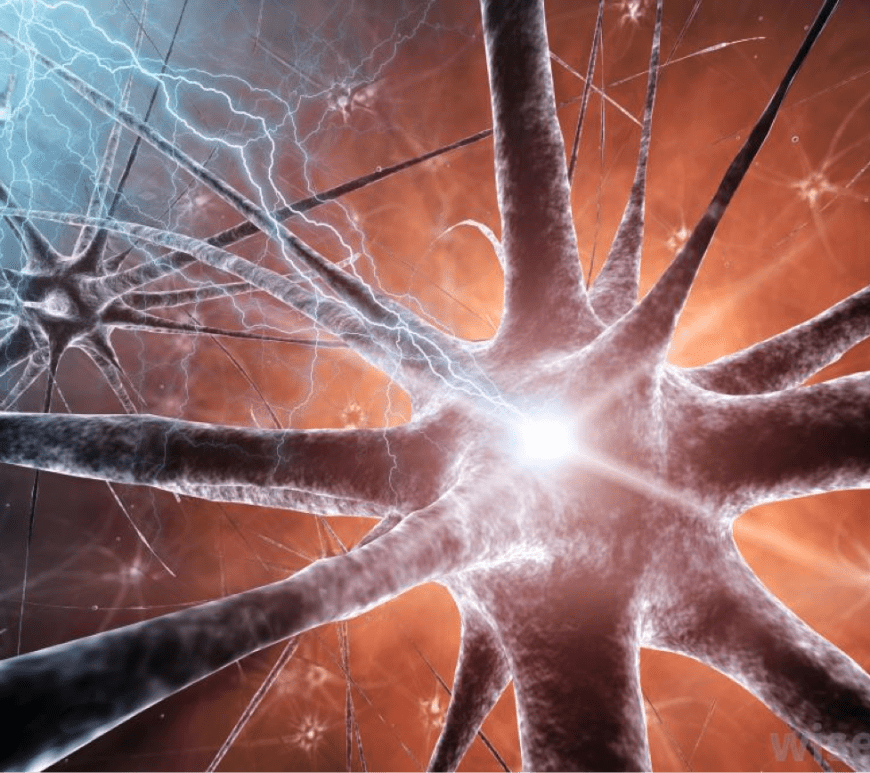
Figure 1. Mammalian brains can be influenced by non-genetic and Allele-Specific expression

Mammalian Brain Affected by Non-Genetic and Allele-Specific Expression

By Rideeta Raquib ’19 The brain is a complex organ that is constantly being impacted by genetic and epigenetic factors. Mental illness patients are usually heterozygous in terms of inheriting one mutant allele. The random inactivation of the X-chromosome and genomic imprinting influences brain architecture and risk of disease. Studies on neuropsychiatric disorders uncovered a spectrum of data regarding the epigenetic dynamics of such dysfunction. … Continue reading Mammalian Brain Affected by Non-Genetic and Allele-Specific Expression

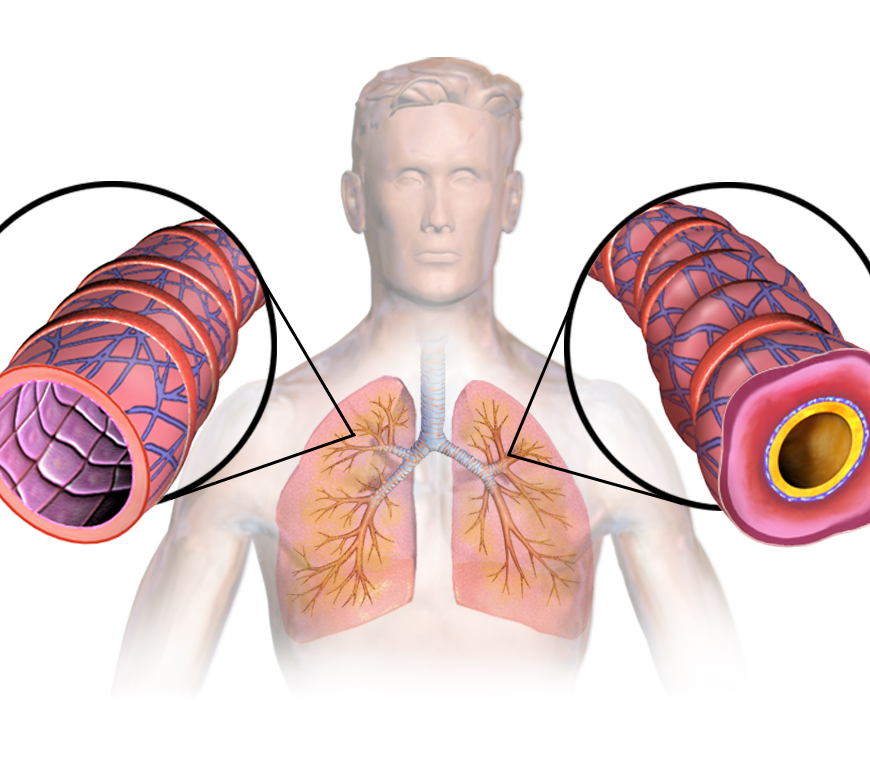
Figure 1. Asthma’s exaggerated contraction of airways is due to a lack of smooth muscle relaxant.

Airway Smooth Muscle Relaxant Finally Identified

By Patrick Yang ’20 Asthma, characterized by its iconic inhalers and abrupt episodes of coughing and wheezing, affects approximately 334 million people worldwide. The inflammatory disease is caused by the prolonged contraction of airway smooth muscles, which triggers difficulty with breathing. Despite our understanding of asthma’s symptoms, the mechanism behind asthma is still a mystery. Scientists speculate that normal airway epithelium, or cells composing the … Continue reading Airway Smooth Muscle Relaxant Finally Identified

Figure 1. Hospital patients who are connected to medical devices are at risk for bacterial sepsis.

Hospital Sepsis Is Dependent on Toxins for Survival

By Patrick Yang ’20 The hospital is considered a place of treatment, but hospitalization also runs the risk of bacterial sepsis – an often fatal immune response to bacterial infection. Bacterial sepsis frequents patients who are connected to medical devices like needles and catheters, which can easily launch the bacteria into the bloodstream. That infection, compounded with an already compromised immune system, can prove to … Continue reading Hospital Sepsis Is Dependent on Toxins for Survival

Fat Metabolism Activated by Brain Hormone

By Rideeta Raquib ’19 The central nervous system is essential in regulating different parts of the body. Serotonin (5-hydroxytryptamine, 5-HT), a neuromodulator, has been related to feeding and metabolizing, as well as burning fat. Biologists at the Scripps Research Institute set out to identify a neuropeptide ligand and its cognate receptor that makes up the 5-HT neuroendocrine axis. The study was conducted on a roundworm … Continue reading Fat Metabolism Activated by Brain Hormone

Hearing Restoration Via Gene Delivery

By Rideeta Raquib ’19 Inner ear disease disrupts a key sense of hearing for many people worldwide. However, gene therapy can treat inner ear disease if reagents are introduced into appropriate cells. A group of researchers from Harvard Medical School and the Massachusetts Hospital managed to effectively restore hearing in mice by utilizing gene therapy. The inefficacy of vectors transferred into hair cells is a … Continue reading Hearing Restoration Via Gene Delivery

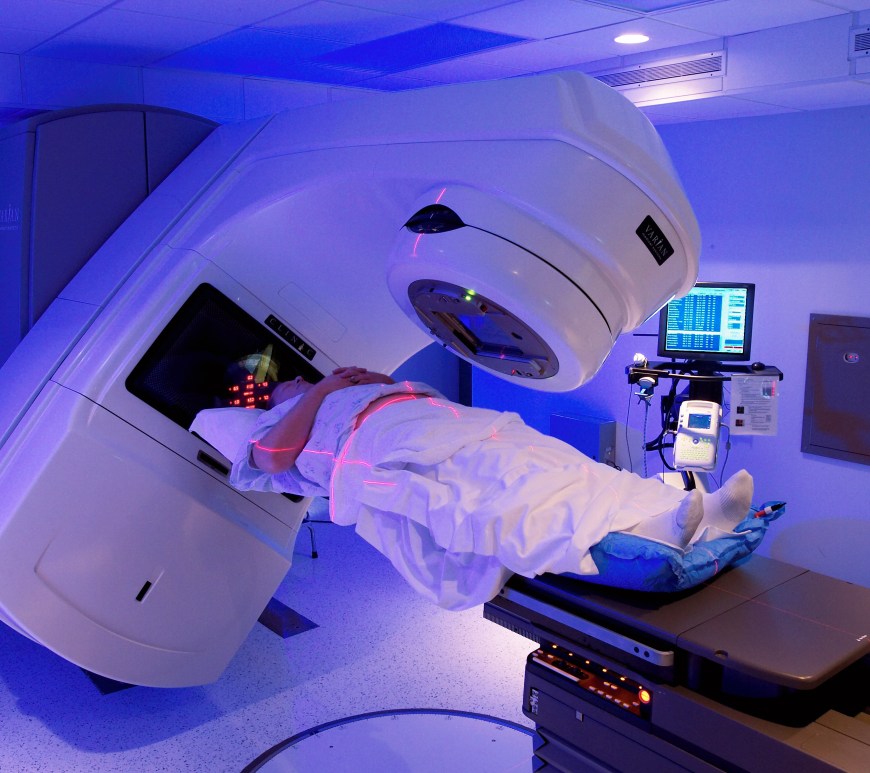
Inhibition of RAD51 Repair Protein Enhances Radiotherapy

Patrick Yang ‘20 Despite intensive radiotherapy and treatment, glioblastoma, an aggressive form of brain cancer, is often fatal. It is widely believed that a subgroup of glioblastoma cells, called glioblastoma stem cells, is responsible for treatment resistance because the cancer’s DNA damage response is localized in these cells. The discovery and manipulation of the mechanism for the upregulation of DNA damage response in glioblastoma stem … Continue reading Inhibition of RAD51 Repair Protein Enhances Radiotherapy

Study examines the effect of exosomes on osteochondral regeneration

by Aaradhana Natarajan ’20 Adult mesenchymal stem cells (MSCs) are effective in osteoarithritic repair of bone cartilage. Currently, the efficacy of stem cell treatments has been ascribed to the exosomes released by the MSCs. Dr. Zhang and researchers at the National University of Singapore recently investigated the ability of MSC exosomes to treat osteochondral defects. Researchers created osteochondral defects on the trochlear grooves on the … Continue reading Study examines the effect of exosomes on osteochondral regeneration