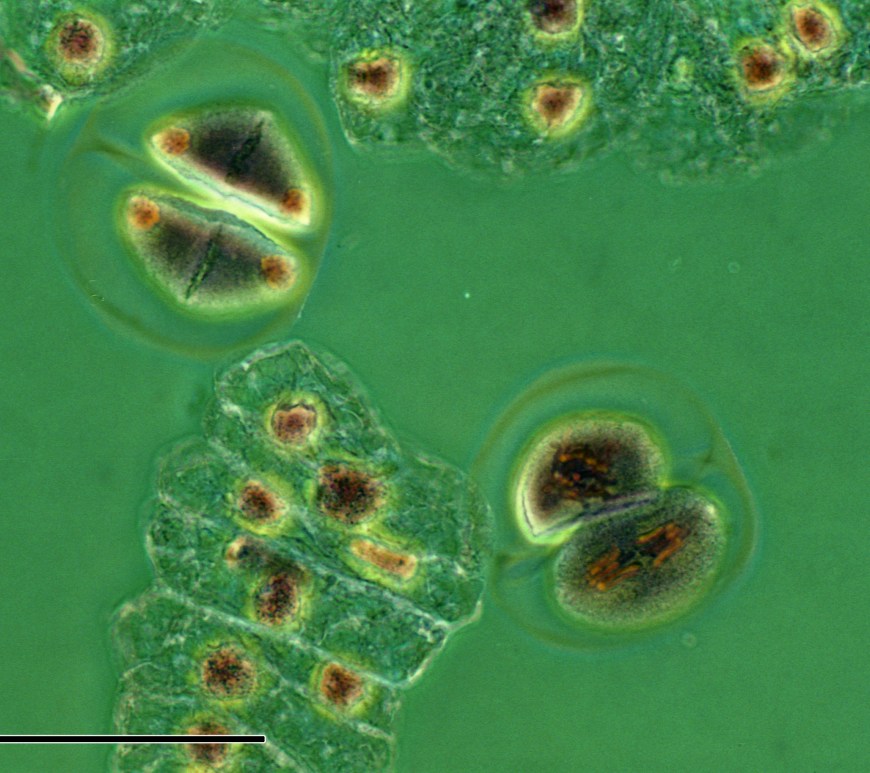
HP1š›¼: How DNA Unwrapping can Support Heterochromatin Maintenance

Author: Sean Krivitsky, Class of 2026 Many have been led to believe that DNA contains all the information we need, but the regulation of the expression of genes encoded in DNA is also incredibly important. This differentiates humans from, for instance, gorillas, which otherwise share more than 98% genetic identity to humans. One level of regulation is at the level of chromatin, which results from … Continue reading HP1š›¼: How DNA Unwrapping can Support Heterochromatin Maintenance
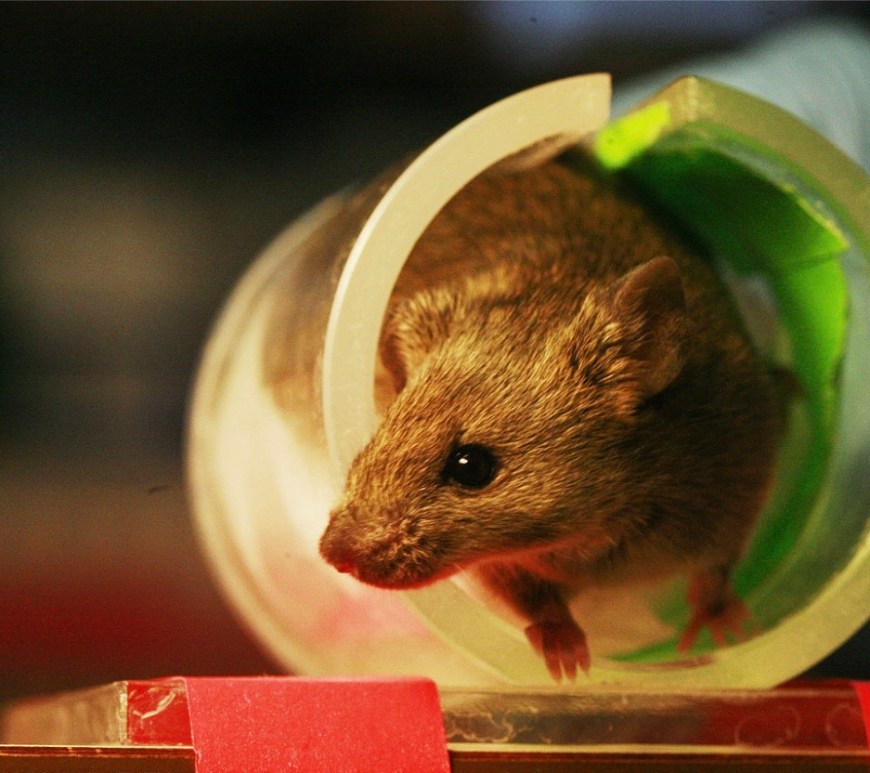
Natural Antifreeze: Insights into Animals’ Adaptations to Extreme Cold

Author: Sean Krivitsky, Class of 2026 Many organisms, like fish and insects, are capable of living in extreme conditions far outside of the viable range for humans. While some bacteria can live in hot geysers, others live in the extreme cold, relying on adaptations such as the expression of antifreeze proteins (AFP) to survive. These proteins help adapt to the cold by depressing the freezing … Continue reading Natural Antifreeze: Insights into Animals’ Adaptations to Extreme Cold

Genome Grazing: lcWGS Across Livestock and Agricultural Landscapes

Author: Sajia Athai, Class of 2026 Just as cells comprise the fundamental units that make up an organism, livestock acts as the core of agriculture—anchoring growth across the world. As providers of food security to sustainability, livestock is an integral part of economic prosperity and animal diversity. Livestock is assessed on measures in the agricultural industry such as disease screening, mobility, fertility, and birth weight. … Continue reading Genome Grazing: lcWGS Across Livestock and Agricultural Landscapes

Osmotic Stress Alters Circadian Rhythm

Asher Agarwal, Class of 2027 The circadian rhythm regulates many physiological processes via transcriptional feedback loops involving proteins such as Bmal1 and Clock. Circadian rhythm is closely tied to cell-cycle progression, and disruptions in one can affect the other. Hypoosmotic stress causes water to rush into a cell, triggering changes in gene regulation to adapt to the stress. Caveolae, protein invaginations in the cell membrane, … Continue reading Osmotic Stress Alters Circadian Rhythm

Novel Insights Into the Mechanism of DSB Repair During Meiosis Crossover Events

Author: Sean Krivitsky, Class of 2026 Figure 1. Image of cells at various stages of meiosis. Meiosis is a key process underlying sexual reproduction and is responsible for the production of gametes, sperm, and eggs, which are necessary for fertilization. One important aspect of meiosis is that it contributes to the process of genetic diversification through genetic recombination, which involves the crossing over and independent … Continue reading Novel Insights Into the Mechanism of DSB Repair During Meiosis Crossover Events

Unraveling Chronological Age: Epigenetic Modifications as Indicators of Cognitive Decline

Author: Tiffany Ang, Class of 2025 Figure 1: A visualization of epigenetic modifications that shape gene expression without changing the genetic code. DNA methylation-derived epigenetic clocks are powerful tools for assessing biological aging and age acceleration–the difference between biological and chronological age. Unlike chronological age, which fails to capture the impact of biological and environmental influences, age acceleration explains individual differences in cognitive functions such … Continue reading Unraveling Chronological Age: Epigenetic Modifications as Indicators of Cognitive Decline

Mysterious Long Non-Coding RNAs Revealed as Playing a Role in Gastric Cancer

Author: Sean Krivitsky, Class of 2026 To the astonishment of many, nearly 99% of the human genome consists of non-coding regions that are not transcribed into mRNAs for protein synthesis. However, some of those non-coding regions of DNA can be transcribed into various types of non-coding (nc) RNAs, including long ncRNAs. Until recently, the scientific community believed these ncRNA products to be functionally irrelevant, playing … Continue reading Mysterious Long Non-Coding RNAs Revealed as Playing a Role in Gastric Cancer

Uncovering a Key Mechanism of Rett Syndrome Pathology

Author: Sean Krivitsky, Class of 2026 Rett syndrome (RTT) is a severe neurological disorder found primarily in females that causes impairment in essential functions including breathing, eating, and walking abilities. The disorder is characterized by slowed brain growth, which can lead to various mental and physical disabilities. Key markers and causes of RTT are mutations on a gene called MECP2. MECP2 is an X-linked gene … Continue reading Uncovering a Key Mechanism of Rett Syndrome Pathology

Implications of the role sphingosine kinase 1 plays in the formation of tumors in p53 knockout mice

Author: Marie Collison ā€˜25 Cancer is a universally known disease that can be caused by a variety of defects in the genetic code of cells. A very important molecule in the regulation of cellular proliferation is the tumor suppressor protein 53, more commonly known as p53. Mutations or deletions in the p53 gene sequence are detected in the majority of cancers, including several subtypes of … Continue reading Implications of the role sphingosine kinase 1 plays in the formation of tumors in p53 knockout mice

Novel Therapeutic Insights to Barth Syndrome

Author: Sean Krivitsky ā€˜26 Barth syndrome is a rare, severe genetic disorder that primarily affects muscle development and the heart’s ability to efficiently pump blood. It is most common in males given that it is an X-linked disorder and it is known to significantly reduce life expectancy. Despite the severity of Barth syndrome, there are limited therapies available to treat this disease. This condition is … Continue reading Novel Therapeutic Insights to Barth Syndrome

The Influence of Epigenetic Age on Cognitive Decline

Ā Julia Chivu ’23 As people age, their cognitive abilities tend to decline. While chronological age is commonly cited as a reason for this decline, it often fails to explain why some individuals have higher cognitive performance than others of the same age. To address this, epigenetic clocks, which analyze DNA methylation at specific genomic sites correlated with aging, are emerging as useful tools for predicting … Continue reading The Influence of Epigenetic Age on Cognitive Decline

Investigating the Unexpected Results of Ape1 Inhibitors

Julia Chivu ’23 Figure 1Ā  DNA strand unwinding causing the formation of the replication fork followed by DNA replication. Genomic DNA is constantly at risk of molecular decay. To address this issue, base excision DNA repair (BER) plays a critical role in fixing the minor DNA damage. In particular, Ape1 (or apurinic/apyrimidinic endonuclease) is a multifunctional protein that is a key component in BER. Ape1 … Continue reading Investigating the Unexpected Results of Ape1 Inhibitors