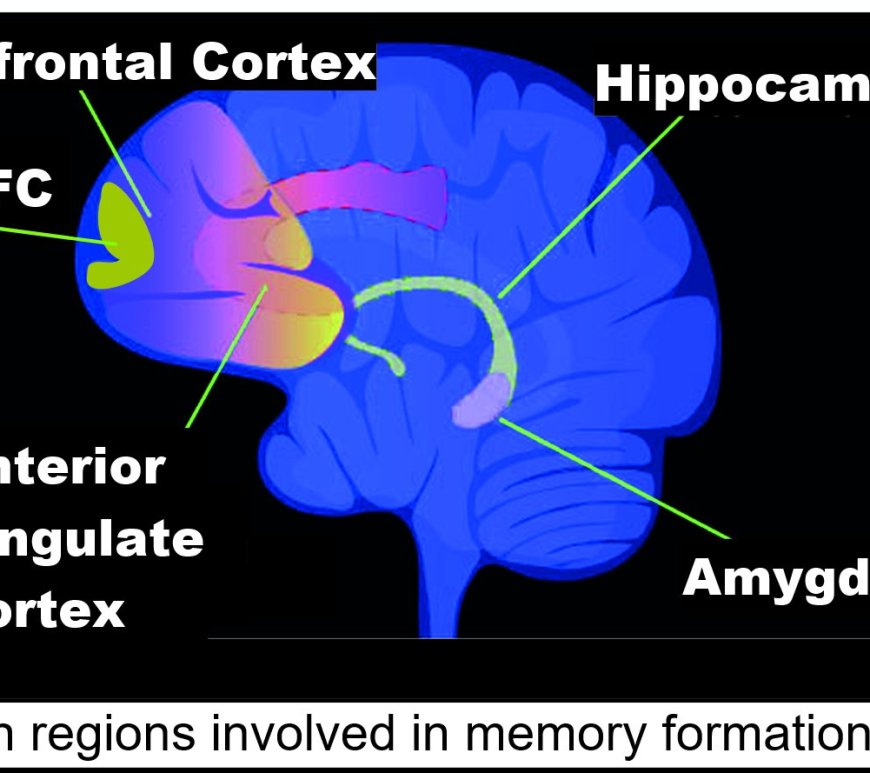
Working Memory Capacity Is Directly Linked To Processing and Storage

Melanie Karniewich ’25 Memory plays an important role in our brain function, allowing us to register events and remember them for later use. Certain key factors play a strong role in the quality of our working memory capacity, such as processing and storage, problem-solving, and conscious control of what we find fit to remember. Dr. Lauren Richmond, an assistant professor at Stony Brook University, and … Continue reading Working Memory Capacity Is Directly Linked To Processing and Storage

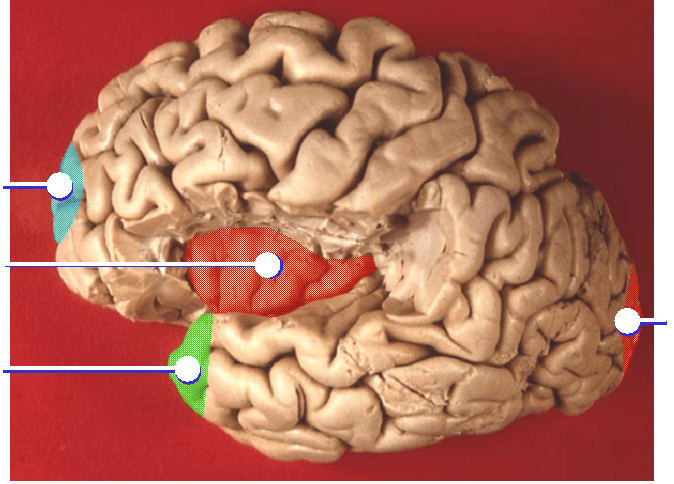
Lack of CLOCK Regulator Protein May Predict Focal Seizure Susceptibility

By Vignesh Subramanian ’24 Focal seizure activity originates at particular foci﹣those being lobes, regions or hemispheres – of abnormal brain tissue and may emanate outward.  Epilepsy is a chronic central nervous system disorder characterized by uncontrolled electrical activity in the brain that triggers recurrent, spontaneous seizures. The majority of new epilepsy cases involve focal epilepsy, in which seizure activity originates in a particular “focus” or … Continue reading Lack of CLOCK Regulator Protein May Predict Focal Seizure Susceptibility

Type 2 Diabetes Accelerates Brain Aging-Related Neurocognitive Decline

Vignesh Subramanian ’24 Type 2 diabetes mellitus (T2DM) is a chronic metabolic disease characterized by dysfunctions relating to hyperglycemia, the state of high glucose levels in the bloodstream. Such excessive blood sugar is typically the combinatory result of inadequate secretion of insulin (a hormone that directs cells and the liver to take up glucose for energy and long-term storage, respectively), uncontrolled secretion of glucagon (an … Continue reading Type 2 Diabetes Accelerates Brain Aging-Related Neurocognitive Decline

Loss of NG2 Glia Implicated in Emergence of Depression Symptoms

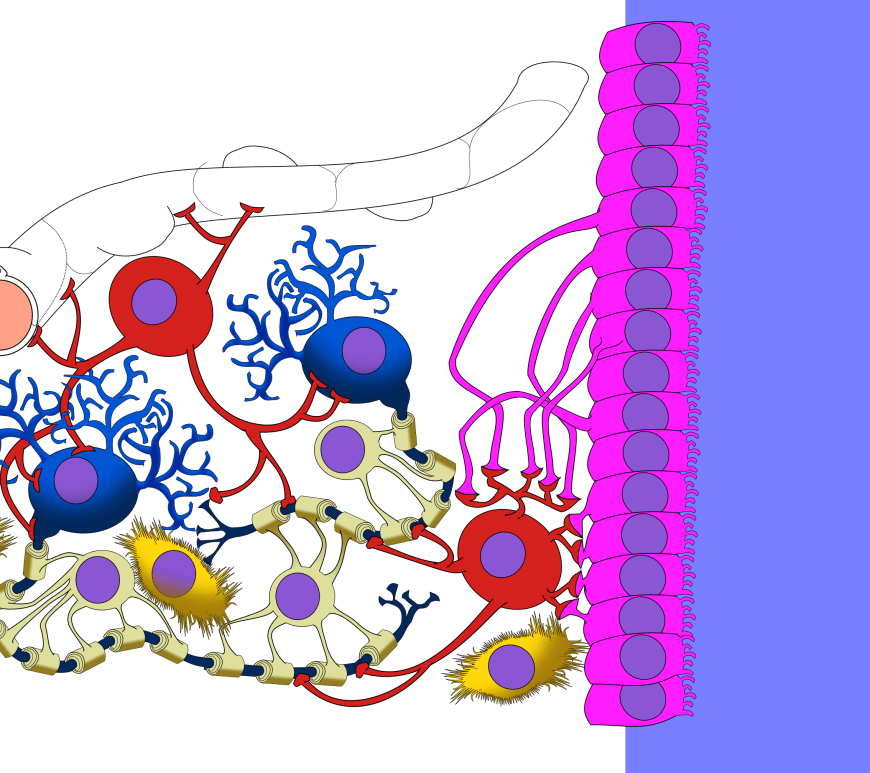
Vignesh Subramanian ’24 Glia are non-neuronal cells that host and provide a number of homeostatic ancillary functions in both the central (CNS) and peripheral (PNS) nervous systems. Though only recently discovered and characterized, glial cells vastly outnumber neurons and provide them with structural support and insular protection, driving their myelination (the process of forming coverings known as myelin sheaths that coat neurons’ signaling axons), facilitating … Continue reading Loss of NG2 Glia Implicated in Emergence of Depression Symptoms

Stabilization of BBB Junction Protein Attenuates Epileptic Brain Activity

Vignesh Subramanian ’24 Epilepsy is a chronic central nervous system disorder characterized by abnormal neuronal activity in the brain that triggers repeated, spontaneous seizures. Treatment-resistant epilepsy has previously been linked to disruption of the blood-brain barrier (BBB), a semipermeable network of close-packed endothelial (border) cells and capillaries that controls the influx of solutes circulating in the bloodstream into the extracellular fluid of the brain. The … Continue reading Stabilization of BBB Junction Protein Attenuates Epileptic Brain Activity

Post-Stroke Neuroplasticity May Alter Artistic Skills Compensation

Vignesh Subramanian ’24 A stroke, or cerebrovascular accident, is a medical emergency in which blood flow to the brain is interrupted or reduced. Strokes are the result of either an ischemic (arterial obstruction) or hemorrhagic (arterial rupture) event and are associated with the arrest of neuronal activity in the brain. However, various regions of the central nervous system (CNS) have demonstrated a capacity for recovering … Continue reading Post-Stroke Neuroplasticity May Alter Artistic Skills Compensation

Anti-Microglial Hyperactivity Drug Action May Block Alzheimer’s Disease Progression

Vignesh Subramanian ’24 Alzheimer’s disease (AD) is a neurodegenerative disorder characterized by progressive loss of memory, critical thinking skills, and behavioral capabilities that typically worsens with age. As the most common form of late-stage dementia, numerous risk alleles – variants of a gene that make a particular disease’s development more likely – have been identified for AD. Prominent among these is the triggering receptor expressed … Continue reading Anti-Microglial Hyperactivity Drug Action May Block Alzheimer’s Disease Progression

Neural Mechanism May Explain Variability of Social Ability in Autism

Vignesh Subramanian ’24 Autism spectrum disorder (ASD) is a neurodevelopmental disorder involving significant challenges with communication, behavior, and social skills. The range of conditions encompassed by the term is most often characterized by limited but intense interests, repetitive patterns of behavior, difficulty maintaining or regulating interactions with other people, and difficulty synchronizing facial expressions or motor movements with speech. It has long been believed that … Continue reading Neural Mechanism May Explain Variability of Social Ability in Autism

The Effect of Electrotherapy on Brains Addicted to Video Games

Ishmam Khan ’25 Although video games may represent a sanctuary from the stresses of daily living, young people, especially teens, are susceptible to becoming addicted to gaming platforms. According to the Diagnostic and Statistical Manual of Mental Disorders, Internet Gaming Disorder (IGD) results in an irresistible compulsion to play video games, which may lead to declining mental health and daily function. Currently, one common technique … Continue reading The Effect of Electrotherapy on Brains Addicted to Video Games

Anti-NMDAR Autoantibodies Disrupt Ionotropic Receptor Signaling

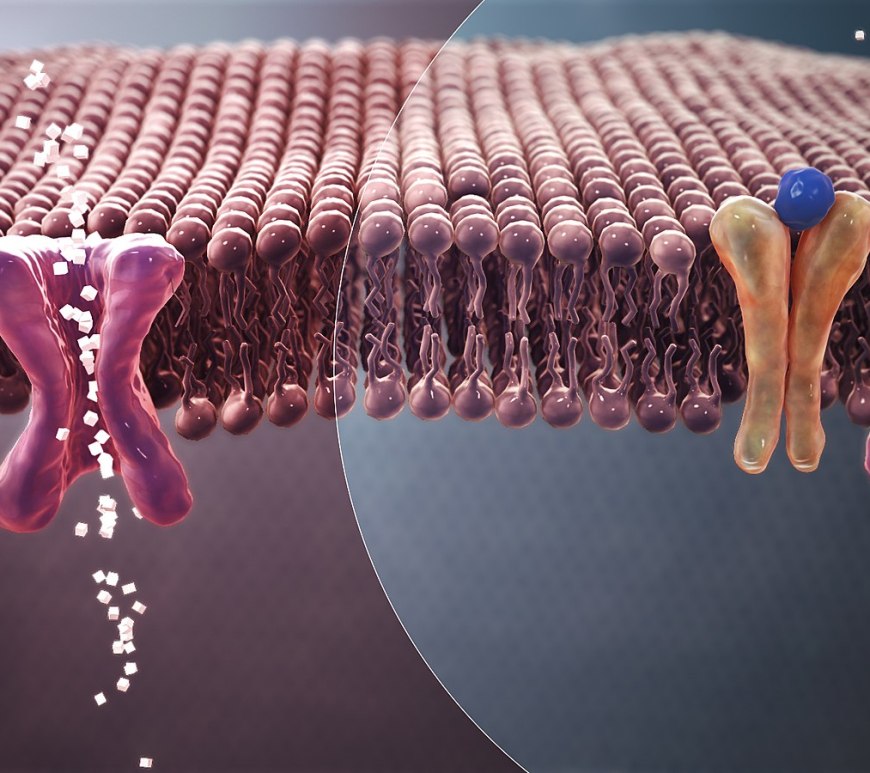
Vignesh Subramanian ’24 N-methyl-D-aspartate receptors (NMDARs) are ligand-gated ion channels whose signaling enables higher-order functions, such as learning and memory, throughout the brain. They are activated by glutamate, the major excitatory neurotransmitter in the central nervous system, and are dynamically distributed across synaptic and extrasynaptic sites. The obligate composition of these protein receptors includes two subunits known as GluN1 paired with combinations of spliced regulatory … Continue reading Anti-NMDAR Autoantibodies Disrupt Ionotropic Receptor Signaling

Immunomodulatory Therapies Improve Long-Term Visual Outcomes Amid Optic Neuritis Preceding Late-Stage MS

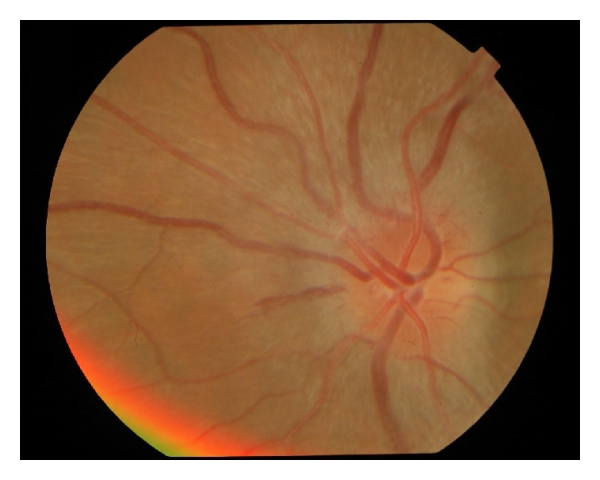
Vignesh Subramanian ’24 Optic neuritis (ON) is a condition involving inflammation of the optic nerve that can cause its demyelination, or the destruction of the fatty tissue known as myelin that insulates and protects nerves. Although relatively rare, ON first manifests in young adulthood and can cause diminished visual acuity or blurriness, poor pupillary constriction, ophthalmalgia (eye pain), and the inability to see out of one … Continue reading Immunomodulatory Therapies Improve Long-Term Visual Outcomes Amid Optic Neuritis Preceding Late-Stage MS

Dopamine Circuits: Investigating Relationships Between Dopamine Dysregulation and Midbrain Circuits

Daphne Siozios ’23 Dopamine (DA) is a behavioral neuromodulator that controls the function of the central nervous system through a variety of roles from memory processing and perception to learning and habit formation. The mesolimbic DA pathway, which travels specifically through the midbrain, has been linked to neural deficits caused by a lack of dopamine neurons in the striatum. While research regarding DA’s dysregulation has … Continue reading Dopamine Circuits: Investigating Relationships Between Dopamine Dysregulation and Midbrain Circuits