Analysis of Female Pupillary Response as a Potential Reflection of “Cuteness”

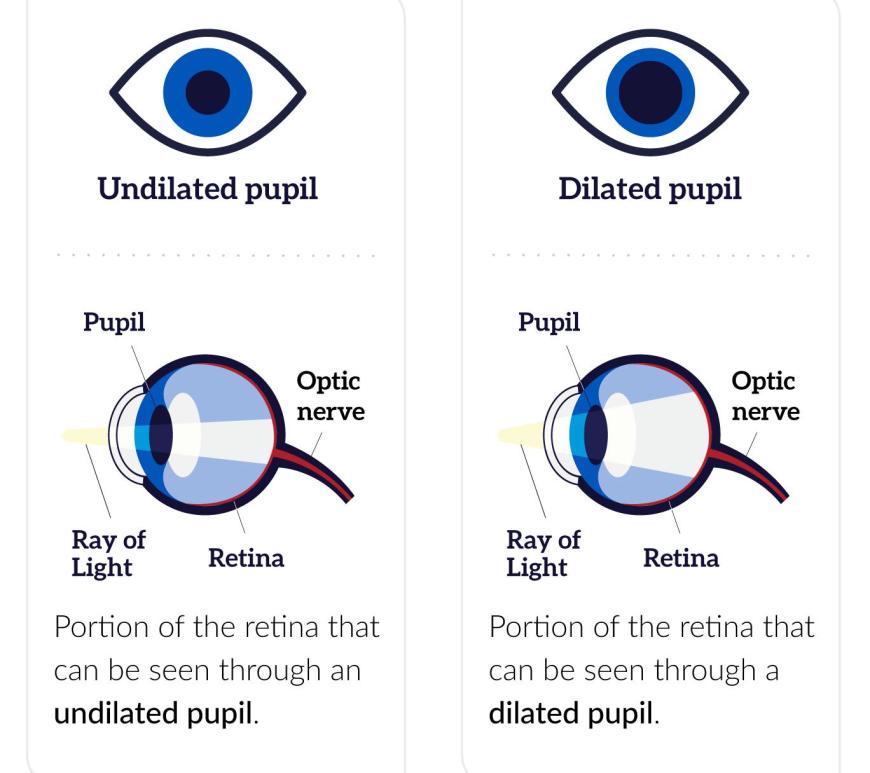
Ayesha Azeem ’23 Observing something “cute” facilitates communication, as perceiving cuteness narrows perceptual attention and makes it difficult to focus on peripheral vision. Previous research has indicated that female reproductive hormones allow women to be more sensitive and attuned to perceiving cuteness. Because women have historically played the role of primary caregiver, evolutionary psychology suggests that cuteness motivates people to raise a child, which may … Continue reading Analysis of Female Pupillary Response as a Potential Reflection of “Cuteness”

Anti-Microglial Hyperactivity Drug Action May Block Alzheimer’s Disease Progression

Vignesh Subramanian ’24 Alzheimer’s disease (AD) is a neurodegenerative disorder characterized by progressive loss of memory, critical thinking skills, and behavioral capabilities that typically worsens with age. As the most common form of late-stage dementia, numerous risk alleles – variants of a gene that make a particular disease’s development more likely – have been identified for AD. Prominent among these is the triggering receptor expressed … Continue reading Anti-Microglial Hyperactivity Drug Action May Block Alzheimer’s Disease Progression

Neural Mechanism May Explain Variability of Social Ability in Autism

Vignesh Subramanian ’24 Autism spectrum disorder (ASD) is a neurodevelopmental disorder involving significant challenges with communication, behavior, and social skills. The range of conditions encompassed by the term is most often characterized by limited but intense interests, repetitive patterns of behavior, difficulty maintaining or regulating interactions with other people, and difficulty synchronizing facial expressions or motor movements with speech. It has long been believed that … Continue reading Neural Mechanism May Explain Variability of Social Ability in Autism

Similar but Different: The Potential Role of Spatial Differentiation in Memory Retrieval

Robyn Rutgers ’24 Researchers have long been interested in establishing how the brain remembers spatial environments and avoids confusion in similar environments, such as in a new supermarket. A recent study from University of Arizona researchers investigates how the processes of spatial memory retrieval are implemented in the brain and how the brain differentiates memory representations that involve overlapping features. The study recruited 27 participants … Continue reading Similar but Different: The Potential Role of Spatial Differentiation in Memory Retrieval

Improving Cognitive Functions in World Trade Center Responders

Thumyat Noe ’23 Individuals who responded to the World Trade Center attacks on September 11th, 2001 experienced a great deal of trauma and distress. Researchers from Stony Brook University who study well-being and cognitive abilities discovered that these responders are at an elevated relative risk of developing aging-related cognitive impairment. In particular, lower cognitive function is correlated with higher levels of exposure to trauma in … Continue reading Improving Cognitive Functions in World Trade Center Responders

The Effect of Electrotherapy on Brains Addicted to Video Games

Ishmam Khan ’25 Although video games may represent a sanctuary from the stresses of daily living, young people, especially teens, are susceptible to becoming addicted to gaming platforms. According to the Diagnostic and Statistical Manual of Mental Disorders, Internet Gaming Disorder (IGD) results in an irresistible compulsion to play video games, which may lead to declining mental health and daily function. Currently, one common technique … Continue reading The Effect of Electrotherapy on Brains Addicted to Video Games

Does Ethnicity Influence Memory Recall in Social Settings?

Daphne Siozios ’23 Collaborative learning occurs when a group of individuals works together to remember shared information and events. Not much is known about how the collaborative learning process and a social setting aids memory formation, analysis, and recollection since past research in the field has mainly focused on studying individuals in isolation. Professor Suparna Rajaram at Stony Brook University works to examine the effect … Continue reading Does Ethnicity Influence Memory Recall in Social Settings?

Electrical Impulses May Be The Best Way to Treat Mental Illnesses

Aditi Kaveti ’23 Mental illnesses span a wide range of health conditions, including disorders that affect one’s mood, thinking, and behavior. Some severe cases of these conditions may be medication-resistant. For example, some patients with epilepsy are known to have significant anxiety associated with the condition that cannot be treated with medication. A study recently published in Nature Biomedical Engineering addresses medication-resistant disorders by studying … Continue reading Electrical Impulses May Be The Best Way to Treat Mental Illnesses

Glial Cells May Shape Brain Tumor Microenvironments

Alex Moir ’23 Glial cells, located in the central nervous system (CNS), support neurons by clearing extracellular waste and mounting an immune response against potential pathogens. Glioma are tumors occurring in the CNS that originate from these glial cells. As glioma tumors progress and become more aggressive, they invade surrounding tissue and develop a hospitable tumor microenvironment (TME). Two types of resident CNS immune cells, … Continue reading Glial Cells May Shape Brain Tumor Microenvironments

Anti-NMDAR Autoantibodies Disrupt Ionotropic Receptor Signaling

Vignesh Subramanian ’24 N-methyl-D-aspartate receptors (NMDARs) are ligand-gated ion channels whose signaling enables higher-order functions, such as learning and memory, throughout the brain. They are activated by glutamate, the major excitatory neurotransmitter in the central nervous system, and are dynamically distributed across synaptic and extrasynaptic sites. The obligate composition of these protein receptors includes two subunits known as GluN1 paired with combinations of spliced regulatory … Continue reading Anti-NMDAR Autoantibodies Disrupt Ionotropic Receptor Signaling

Loss of Dopamine Impairs Voluntary Movement in Parkinson’s Disease

Sooraj Shah ’24 For years, the correlation between loss of the hormone dopamine and the development of Parkinson’s Disease (PD) has been evident. Dopamine is a neurotransmitter that assists in the propagation of electrical signals in the brain, which facilitate everyday movements such as walking and writing. A reduction of dopamine levels in an individual with Parkinson’s disease may lead to shaking and poor coordination. … Continue reading Loss of Dopamine Impairs Voluntary Movement in Parkinson’s Disease

Immunomodulatory Therapies Improve Long-Term Visual Outcomes Amid Optic Neuritis Preceding Late-Stage MS

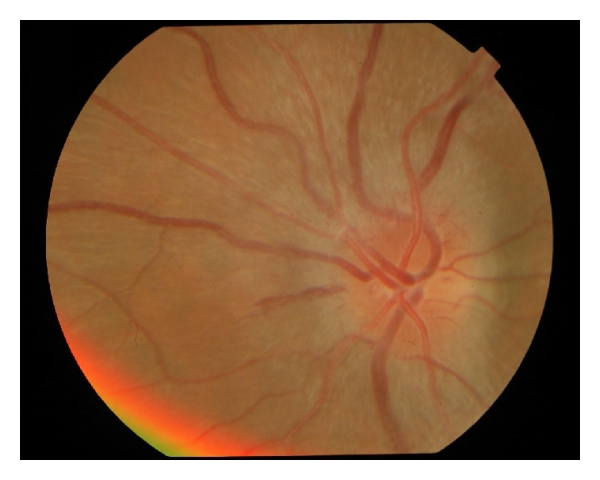
Vignesh Subramanian ’24 Optic neuritis (ON) is a condition involving inflammation of the optic nerve that can cause its demyelination, or the destruction of the fatty tissue known as myelin that insulates and protects nerves. Although relatively rare, ON first manifests in young adulthood and can cause diminished visual acuity or blurriness, poor pupillary constriction, ophthalmalgia (eye pain), and the inability to see out of one … Continue reading Immunomodulatory Therapies Improve Long-Term Visual Outcomes Amid Optic Neuritis Preceding Late-Stage MS