Dopamine Circuits: Investigating Relationships Between Dopamine Dysregulation and Midbrain Circuits


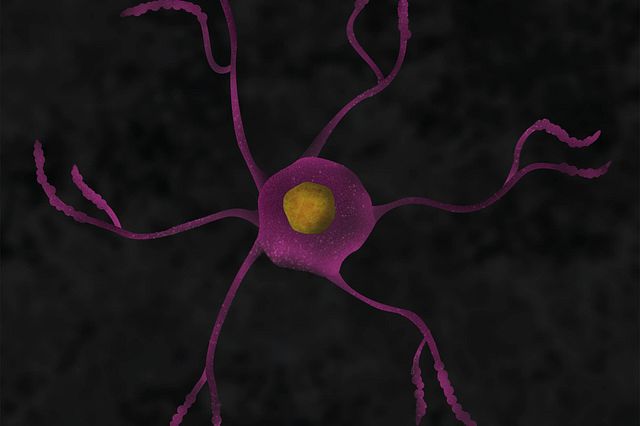
Daphne Siozios ’23 Dopamine (DA) is a behavioral neuromodulator that controls the function of the central nervous system through a variety of roles from memory processing and perception to learning and habit formation. The mesolimbic DA pathway, which travels specifically through the midbrain, has been linked to neural deficits caused by a lack of dopamine neurons in the striatum. While research regarding DA’s dysregulation has … Continue reading Dopamine Circuits: Investigating Relationships Between Dopamine Dysregulation and Midbrain Circuits

Presence of Social Supports Counteracts Physical Brain Changes Associated with Dementia

Vignesh Subramanian ’24 Alzheimer’s disease and related disorders (ADRD) are neurodegenerative dementias that cause progressive loss of memory, critical thinking skills, and behavioral capabilities that typically worsen with age. However, certain older adults with significant degrees of ADRD-associated pathologies are not as vulnerable to the age- or disease-related physical changes in the brain that precede the development of dementia. These adults are classified as “cognitively … Continue reading Presence of Social Supports Counteracts Physical Brain Changes Associated with Dementia

Early Bird or Night Owl? Circadian Preferences May Include Short-Term Memory and Cognition

Joyce Chen ’23 Circadian rhythms are notably known as the body’s master clock. They regulate important physical and behavioral effects within the body by reacting to light and darkness. Interestingly, an individual’s preference for being an early bird or a night owl is determined by circadian preference, also known as chronotype. Chronotype impacts the desire for earlier or later sleep by combining circadian rhythms and … Continue reading Early Bird or Night Owl? Circadian Preferences May Include Short-Term Memory and Cognition

Antipsychotics May Increase Risk of Dementia in Schizophrenic Patients

Vignesh Subramanian ’24 Schizophrenia is a psychotic disorder characterized by disorganized behavior, lack of emotional expression, and thoughts and experiences dissociated from reality. Patients who present such symptoms have elevated levels of the neurotransmitter dopamine, the ‘feel-good’ hormone responsible for mediating pleasure and stimulating neurons to carry out vital functions like concentration and motor control. Patients with schizophrenia are prescribed antipsychotic medications, which block binding … Continue reading Antipsychotics May Increase Risk of Dementia in Schizophrenic Patients

Green Tea Could Help Reduce Signs of Aging and Improve Cognitive Functions

Thumyat Noe ’23 Green tea is one of the most consumed beverages in the world. Consumption of green tea is associated with health benefits such as improved mental health, better global cognition memory, and reduced risk of neurocognitive disorders. Researchers have attributed beneficial effects of drinking green tea to catechins which are flavonoids with antioxidant properties. During the manufacturing and brewing processes, green tea catechins … Continue reading Green Tea Could Help Reduce Signs of Aging and Improve Cognitive Functions

Microglial Activation Promotes AD-Affiliated Plaque Formation

Vignesh Subramanian ’24 Alzheimer’s disease (AD) is a neurodegenerative disorder and form of dementia that causes progressive loss of memory, critical thinking skills, and behavioral capabilities. The disease is characterized by the extracellular aggregation of beta (β)-amyloid plaques. These buildups gradually interfere with proteostasis, the regulation of protein synthesis and degradation, and decrease levels of neurotransmitter signaling between neurons. However, the failure of microglia – … Continue reading Microglial Activation Promotes AD-Affiliated Plaque Formation

High salt intake can lead to autism-like symptoms in infants

Joyce Chen ’23 Autism spectrum disorder (ASD) is a neurodevelopmental disorder that affects 1% of individuals worldwide. Although there has been extensive research done on ASD, its primary cause remains unknown. Scientists believe that it is the result of a wide variety of heritable and environmental factors. However, recent research has indicated that an altered gut microbiome caused by a poor diet can lead to … Continue reading High salt intake can lead to autism-like symptoms in infants

Brain Imaging May Prevent Obesity and Linked Psychological Behaviors

Sooraj Shah ’24 Obesity rates in the United States, approaching almost 70% for men and 62% for women, are concerning, especially since obesity is associated with several other conditions such as heart attacks and diabetes. While the classic solution is exercise and proper diet maintenance, the ability to predict and prevent obesity has become a topic of research. A study led by Dr. Anat Biegon, … Continue reading Brain Imaging May Prevent Obesity and Linked Psychological Behaviors

Breeding Alters Dog Brains

Sabah Bari ’24 Over centuries, dogs have been bred to be domesticated and to be specialized in specific jobs. Stony Brook researchers have discovered that the dog’s brain structure is being altered through breeding, which allows the dogs to perform specific tasks. Selective breeding is the term used to describe how humans choose the parents of the dogs to create offspring with desirable traits. These … Continue reading Breeding Alters Dog Brains

Stressful life events affect hormone levels in children undergoing puberty

Joyce Chen ’23 Puberty is a physiological developmental process that every child undergoes during their preteen years. It occurs through the production of a wide variety of hormones within the body. Specifically, the hypothalamic-pituitary-gonadal (HPG) axis and the hormone dehydroepiandrosterone (DHEA) are involved in initiating an upregulation of hormonal changes, leading to the secretion of the sex hormones testosterone and estrogen. Recent research indicates that … Continue reading Stressful life events affect hormone levels in children undergoing puberty

Playing Analog Game is Associated with Reduced Declines in Cognitive Function: A 68-year Longitudinal Cohort Study

Thumyat Noe ’23 Living an intellectual life is believed to slow down cognitive decline that occurs as a result of aging. Maintenance of cognitive function is widely studied in search for an effective intervention that can reduce the rate of cognitive decline. In particular, digital games are of great interest among researchers because of their potential to enhance and maintain cognitive function. However, the effects … Continue reading Playing Analog Game is Associated with Reduced Declines in Cognitive Function: A 68-year Longitudinal Cohort Study

Smartphones and Impaired Attention Control

Ayesha Azeem ‘23 The introduction of smartphones into human lives has transformed how people think, socialize, and entertain themselves. Nowadays, a smartphone is all one needs for immediate access to information, friends, and entertainment. Additionally, smartphones allow individuals to escape from reality, allowing for easily formed smartphone addictions to prevent from focus on real-world tasks, like work. While the impact of smartphones on cognitive function … Continue reading Smartphones and Impaired Attention Control