Rapidly Detecting Wound Bacteria

by Michael D’Agati ’18   Infections caused by wounds are a health concern for many people around the world. If treated incorrectly, these infections can cause major health problems for those affected. Treatments that can reduce the severity of the infections depend on rapid and timely detection of the infection-causing bacteria. In the past decade, previous attempts at creating biosensors for detecting wound bacteria have suffered … Continue reading Rapidly Detecting Wound Bacteria

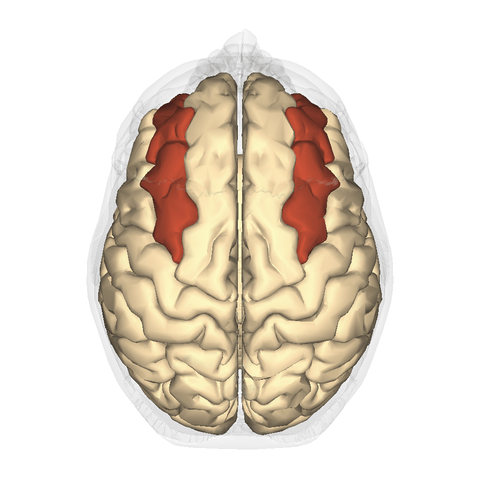
Brain Connectivity Can Predict Occurrence of Placebo Effect

by Patrick Yang ’20   The placebo effect has consistently stumped the scientific community because it provides an effective treatment based on a patient’s belief, rather than a scientific reason. Instead of disregarding the placebo effect, Dr. Pascal Tétreault of Northwestern University and his team aimed to discover the biological context and the predictability of placebo response in chronic pain patients. Since some patients exhibit the … Continue reading Brain Connectivity Can Predict Occurrence of Placebo Effect

Paper-based Electrochemical Biosensor

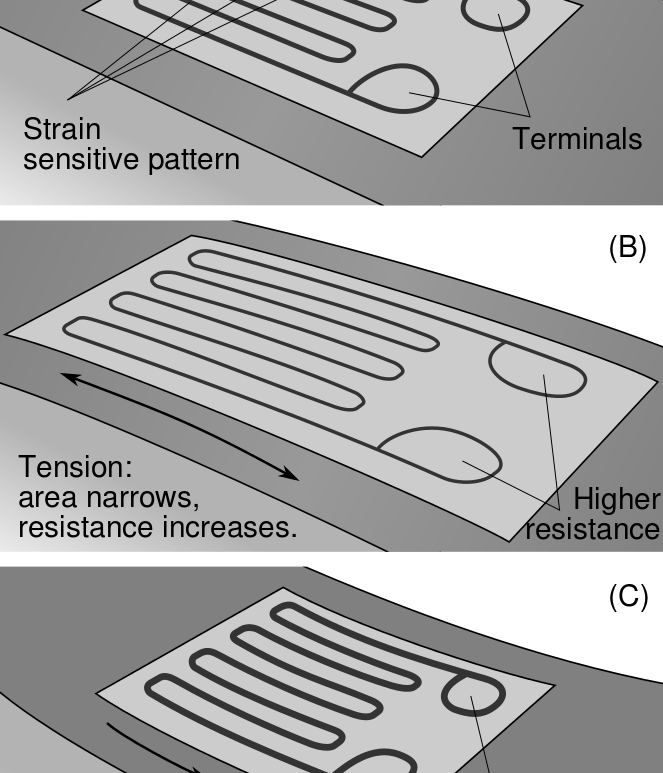
by Michael D’Agati ’18   An electrochemical biosensor is a type of sensor that can provide quantifiable information based on the relationship between electricity and an identifiable chemical change inside a human, such as a glucose sensor that uses electrical means to detect change. Recently, paper-based devices have grown in the development of electrochemical applications because of their simplicity, low cost, and smaller usage of laboratory … Continue reading Paper-based Electrochemical Biosensor

Phantom Limb Pain Caused by Sensorimotor Cortex Plasticity

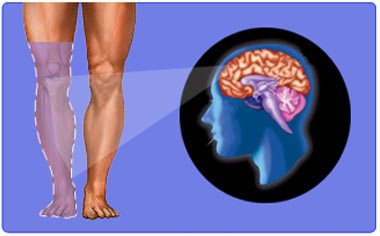
by Patrick Yang ’20   Amputation or severe neural damage can trigger phantom limb pain, chronic pain felt in a limb that is no longer present. Phantom pain, which is associated with a burning or hypersensitive sensation, has a wide range of duration – it can be as short as a few minutes or as long as a couple days. According to popular theory, maladaptive plasticity … Continue reading Phantom Limb Pain Caused by Sensorimotor Cortex Plasticity

Powering Biosensors with Magnets

by Michael D’Agati ’18   Some devices that aid human function, such as cochlear or real-time biosensors, only function inside the body. However, it is not practical to power them with batteries because of their potential toxicity and relatively short lifetimes. Because of these reasons, inductive coupling has been studied for wireless power transfer to these embedded biosensors. In other words, an external power source can … Continue reading Powering Biosensors with Magnets

Human Microbiome-Sequenced Data Yields an Antibiotic Candidate

by Jalwa Afroz ’17   Dr. John Chu and a team of researchers at Rockefeller University created a new bioinformatics approach in drug discovery to circumvent the need for bacterial culture and gene expression. Bacterial physiology is limited by the inability to culture most bacteria and also from the gene clusters silenced under lab fermentation conditions. The researchers set out to functionally characterize the data … Continue reading Human Microbiome-Sequenced Data Yields an Antibiotic Candidate

Toxic Hazards from Smartphones

by Rideeta Raquib ’19   Smartphones are an integral part of today’s society, but they are also a huge fire hazard. Lithium-ion batteries, commonly used in rechargeable devices, have a reputation of being susceptible to combustion. Dr. Jie Sun from the Institute of NBC Defense and the Tsinghua University in China collaborated to study the deleterious emissions of Li-ion batteries or LIBs. Two types of LIBs … Continue reading Toxic Hazards from Smartphones

A Newly Discovered Function of Cyclin A2, a Major Regulator of Cell Cycle Progression in Tumors

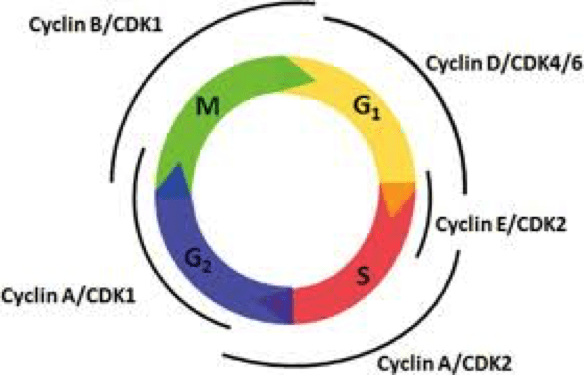
by Jalwa Afroz ’17   Regulation of the cell cycle is crucial to maintain appropriate cell growth, proper chromosome replication and segregation. Cyclin A2 is one of the many cell cycle regulators that activate cyclin-dependent kinases, Cdk1 and Cdk2, which form Cyclin A2-cdk complexes that activate transcription of DNA replication factors that promote progression through the cell cycle. Conditional cyclin A2 knockout mice revealed the … Continue reading A Newly Discovered Function of Cyclin A2, a Major Regulator of Cell Cycle Progression in Tumors

Gold Nanoparticles Suppressing Tumor Growth in Pancreatic Cancer

by Rideeta Raquib ’19   Gold is one of the most valuable resources in the world, and its value may be even greater due to its potential as a new treatment for pancreatic cancer. Previously, gold nanoparticles, AuNPs, were used to target tumor regions and aid in the transport of drugs and chemotherapy to the tumor.  A previous study showed that gold nanoparticles had the ability … Continue reading Gold Nanoparticles Suppressing Tumor Growth in Pancreatic Cancer

Individuals of African Ancestry respond more strongly to pathogen than Individuals of European Ancestry

by Jalwa Afroz ’17   The human immune system, varying amongst individuals from different populations, evolved under selective pressure from pathogenic environments. Genome-wide association studies (GWAS) have shown extreme differences in allele frequency between various human populations for infectious, autoimmune, and inflammatory diseases. Additionally, expression quantitative trait locus (eQTL) mapping studies in antigen-exposed immune cells have identified hundreds of genetic variants that also explain variation … Continue reading Individuals of African Ancestry respond more strongly to pathogen than Individuals of European Ancestry

Frog Skin Contains Chemicals That Repel Ants

by Rideeta Raquib ’19   Several species, such as the Lutjanus bohar fish species, have the ability to camouflage themselves to avoid predators. This allows them to have a selective advantage in their respective environments compared to other species. Dr. Andre de Lima Barros, from the National Institute of the Amazonian Research in Brazil, hypothesized that Lithodytes lineatus, a species of frog prominent in the Amazon … Continue reading Frog Skin Contains Chemicals That Repel Ants

Effects of Neutrophil production on tumor metastasis

by Richard Liang ’18   The term “cancer” comprises various diseases involving abnormal cell growth. They become most dangerous after metastasis, when they spread to multiple organs. Though few treatments are currently available for cancers past this stage, a recent study led by Dr. Juwon Park in Cold Spring Harbor Laboratory has identified neutrophils, a type of leukocyte in the blood, as a potential therapeutic target … Continue reading Effects of Neutrophil production on tumor metastasis