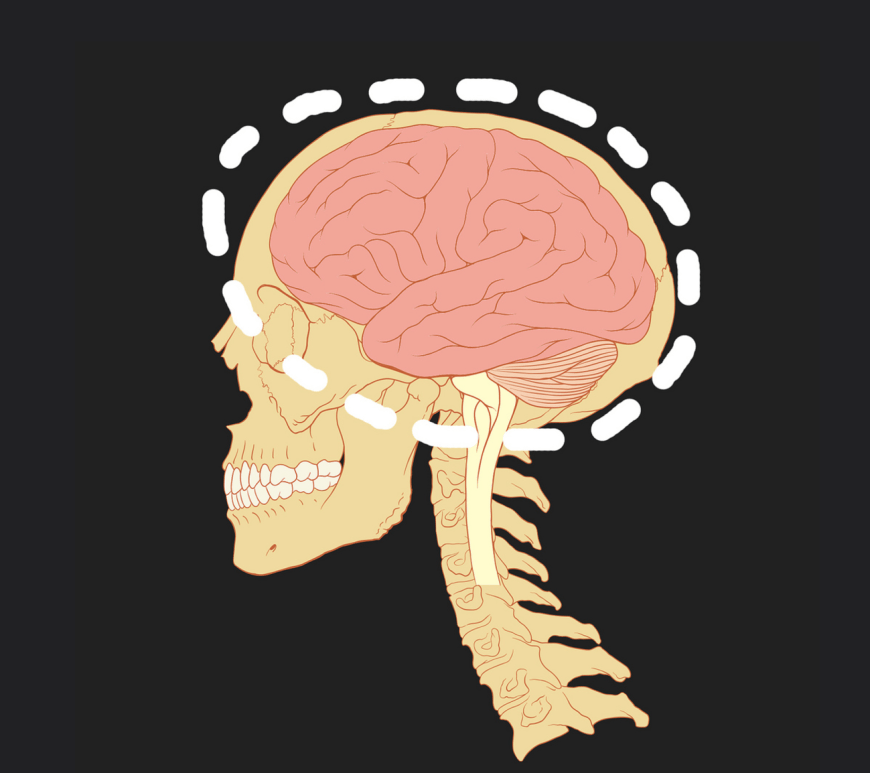
Figure 1: The discovery of reduced brain activity as an indicator of depression helps piece together part of the explanation as to why depression may develop.

Blunted Neural Response to Rewards as a Prospective Predictor of the Development of Depression in Adolescent Girls

Ericka Berman Previous studies have shown that during adolescence, rates of depression increase markedly, and girls tend to have rates of depression twice as high as boys. Depressed adults were also shown to exhibit a decreased behavioral response to a reward and less brain activity in regions associated with reward processing in comparison to healthy adults. Dr. Brady Nelson and his team of researchers from … Continue reading Blunted Neural Response to Rewards as a Prospective Predictor of the Development of Depression in Adolescent Girls

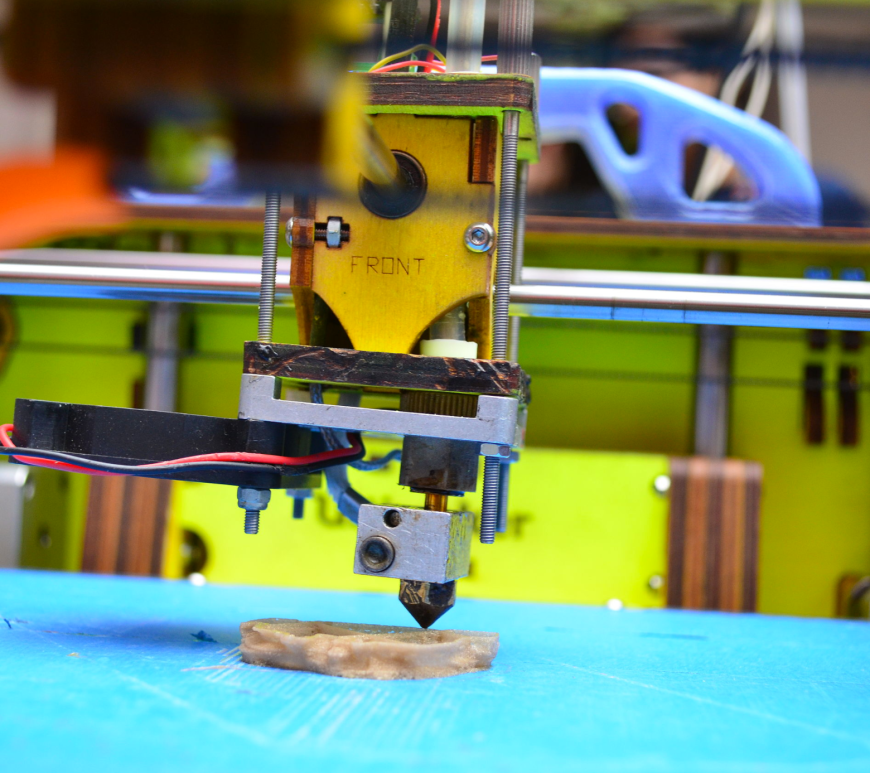
Figure 1: mircoCOB 3D Bioprinted tissues can potentially allow 3D printed tissues that are larger and more metabolically active to be sustainably produced.

3D Bioprinted Tissues Improved with Vascular Channels

Meghan Bialt-DeCelie – ’19 One of the biggest problems with engineered tissues is the lack of a vascular system to transport essential nutrients and oxygen. This is the reason why larger and highly metabolic organs are the most difficult to develop with 3D printing. Researchers from the University of California printed prevascularized tissues with microarchitectures using the fast and efficient method of microscale continuous optical … Continue reading 3D Bioprinted Tissues Improved with Vascular Channels

Caption: Non-academic related laptop use could have a negative effect on exam grades.

Logged In and Zoned Out

Ericka Berman Susan M. Ravizza Ph.D. of Michigan State University et al. sought to find the relationship between Internet use and classroom performance. In an introductory psychology class, eighty-four participants connected to the Internet using a proxy server over fifteen lectures so researchers could track Internet usage. Academic-related webpages were not counted in the same category of data collection as non-academic-related webpages. The proxy server … Continue reading Logged In and Zoned Out

Figure 1: Researchers use chemistry and genetics to investigate what makes the best tasting tomato to improve the tasteless modern commercialized varieties.

Science Behind Tomato Flavor

Meghan Bialt-DeCelie – ’19 Modern commercialized crops have been modified over the years to grow large, plentiful, and resistant to environmental damage. The taste of something like a tomato depends on the sugars, acids, and volatile compounds that are detected by one’s receptors for taste and smell. Researchers sequenced the tomato’s genome and investigated nearly 400 accessions among commercialized, heirloom and wild tomatoes to see … Continue reading Science Behind Tomato Flavor

Figure 1: Studying, even in older individuals, helps improve cognitive reserves.

Sending Your Grandparents to University Increases Cognitive Reserve: The Tasmanian Healthy Brain Project

Ericka Berman   One way to decrease the likelihood of Alzheimer’s disease is by increasing cognitive reserves (CR). Research supports the idea that education, intelligence, and cognitively stimulating activities modify the risk for dementia. CR is a theoretical construct, so it is measured indirectly. Dr. Megan Lenehan and her team of researchers used data from 459 participants ages 50-79 from the Tasmanian Healthy Brain Project … Continue reading Sending Your Grandparents to University Increases Cognitive Reserve: The Tasmanian Healthy Brain Project

Caption: C-reactive protein levels can provide possible treatment for depression.

CRP Protein Levels Help Determine Depression Treatment

Meghan Bialt-DeCelie – ’19 When diagnosed with depression, patients are often left to trial and error with anti-depressant drugs. Incompatible prescriptions along the search can lead to potential issues with side effects, which can be ineffective as well as costly. A study led by Madhukar Trivedi, M.D. assessed a patient’s level of C-reactive protein (CRP) and related it to selection of antidepressant drugs escitalopram, a … Continue reading CRP Protein Levels Help Determine Depression Treatment

Figure 1: Normally treated with therapy, new medicinal treatments for PTSD are showing to be effective, giving hope to sufferers of a relentless disorder.

Efficacy of Quetiapine Monotherapy in Posttraumatic Stress Disorder: A Randomized, Placebo-Controlled Trial

Ericka Berman Posttraumatic Stress Disorder (PTSD) is a debilitating illness affecting approximately 7.8% of people in the U.S. over the course of their lifetime. As of now, two medications are approved in the U.S. to treat PTSD, but both treatments have limited success. Characteristics of the antipsychotic medication quetiapine suggest it may be helpful in treating PTSD symptoms of re-experiencing trauma and hyperarousal. Dr. Gerardo … Continue reading Efficacy of Quetiapine Monotherapy in Posttraumatic Stress Disorder: A Randomized, Placebo-Controlled Trial

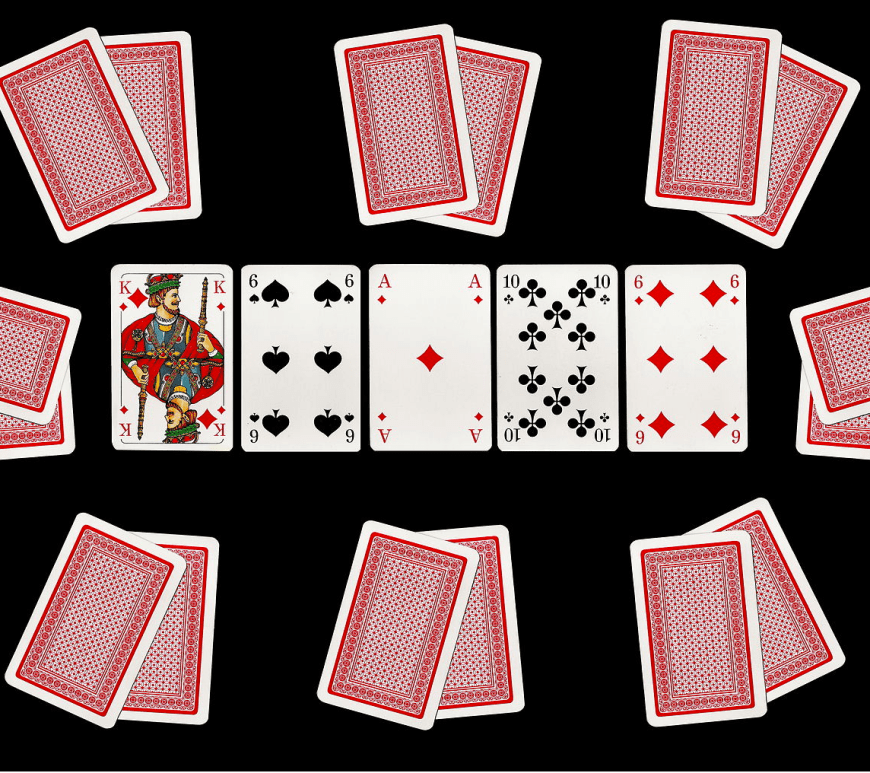
Figure 1: DeepStack rises above the rest for Artificial Intelligence algorithms when it comes to going against professional poker players in Texas Holdem.

Algorithm Defeats Pro Poker Players

Meghan Bialt-DeCelie – ’19 Artificial Intelligence (AI) has improved significantly in recent years in games involving perfect information. This means all players are aware of all the elements in the current state of a game. The next milestone for AI is creating an algorithm that can defeat humans at games with imperfect information, a game where players can be uncertain of certain game elements. An … Continue reading Algorithm Defeats Pro Poker Players

Caption: Imagining oneself in another person’s shoes helps lead to a better emotional understanding.

Inferring Perspective Versus Getting Perspective

Ericka Berman Two strategies used to study mental-state inference are theorization, inference through behavior, and simulation, self-projection, but effectiveness varies based on biases in people’s intuitions. Haotian Zhou Ph.D. et al. of Shanghai Tech University predicted the bias in favor of theorization because people assume behavior is reflective of the mind. In the first experiment, twelve “experiencers” viewed emotional pictures. Experiencers reported their feelings ranging … Continue reading Inferring Perspective Versus Getting Perspective

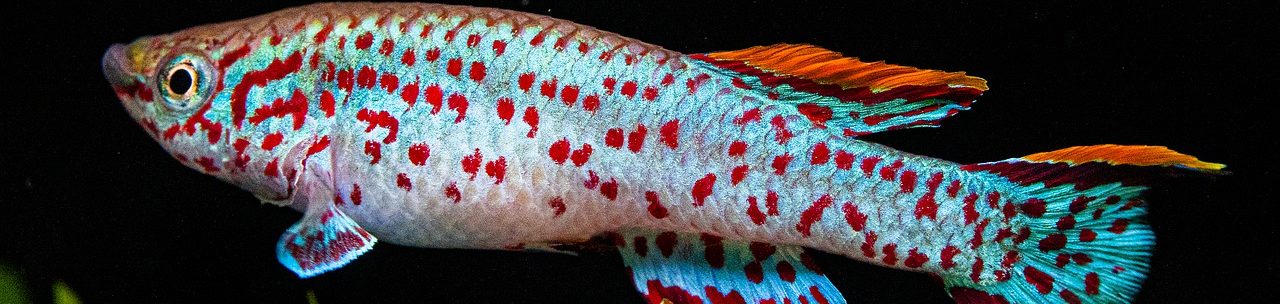
Figure 1: Through Interspecies blastocyst complementation, the blood glucose levels of diabetic mice were successfully lowered with mice pancreatic cells that were transplanted from rats.

Interspecies Pancreas Transplant

Meghan Bialt-DeCelie – ’19 Currently in the United States, 76,000 patients are deprived of potentially life-saving organ transplants. The supply of donated organs relies heavily on the number of recently deceased individuals, limiting the supply’s availability. Dr. Yomoyuki Yamaguchi and his team of researchers from Stanford University and the University of Tokyo are exploring more sustainable methods of generating functional tissues and organs to help … Continue reading Interspecies Pancreas Transplant

Figure 1: Understanding student-teacher relationships is important in understanding factors affecting learning.

Creating Birds of Similar Feathers: Leveraging Similarity to Improve Teacher-Student Relationships and Academic Achievement

Ericka Berman Having thriving student-teacher relationships (TSR) is important in academic success. In studying the improvement of TSR, schooling, positive youth development, and social motivation are of great interest to researchers. Dr. Hunter Gehlbach and his team of researchers carried out this study using a sample of 315 ninth graders and 25 teachers from a high school in the southwestern United States. Students were assessed … Continue reading Creating Birds of Similar Feathers: Leveraging Similarity to Improve Teacher-Student Relationships and Academic Achievement

April Student Researcher of the Month: Ioana Soaita

This past month, one of our cabinet members, Benjamin Kerner, had the opportunity to sit down with Ioana Soaita, a senior student researcher in the Biomedical Engineering Department under Dr. Rubenstein. B: So now how did you get into research and what inspired you to do so? I: So I was really interested in doing diabetes work and was looking into either learning more about … Continue reading April Student Researcher of the Month: Ioana Soaita