Effects of Climate Change on Macaroni Penguins

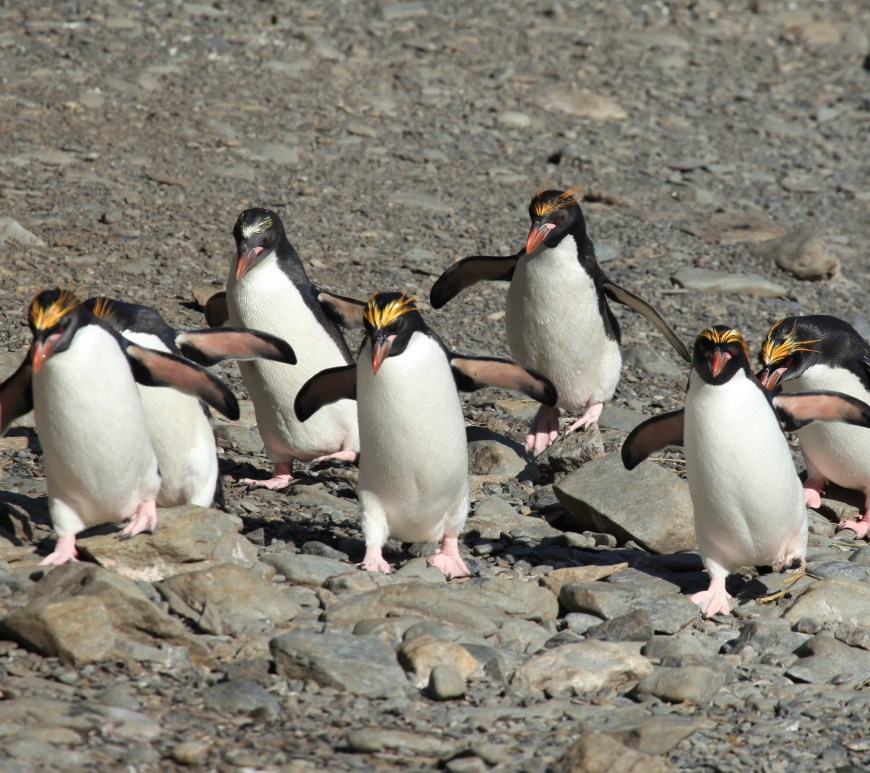
Author: Amal Bilal, Class of 2028 Figure 1: Macaroni Penguins at Cooper Bay, South Georgia. The Macaroni Penguin (Eudyptes Chrysolophus) is a sub-Antarctic penguin species that typically lives in colonies on sub-Antarctic islands in the South Atlantic and South Indian Oceans. As of 2013, 6.3 million breeding pairs were found, a 30% decline from the last regional census in 1993. This drastic decrease in population … Continue reading Effects of Climate Change on Macaroni Penguins

Modeling Debris Patterns in the Antarctic to Protect Biodiversity

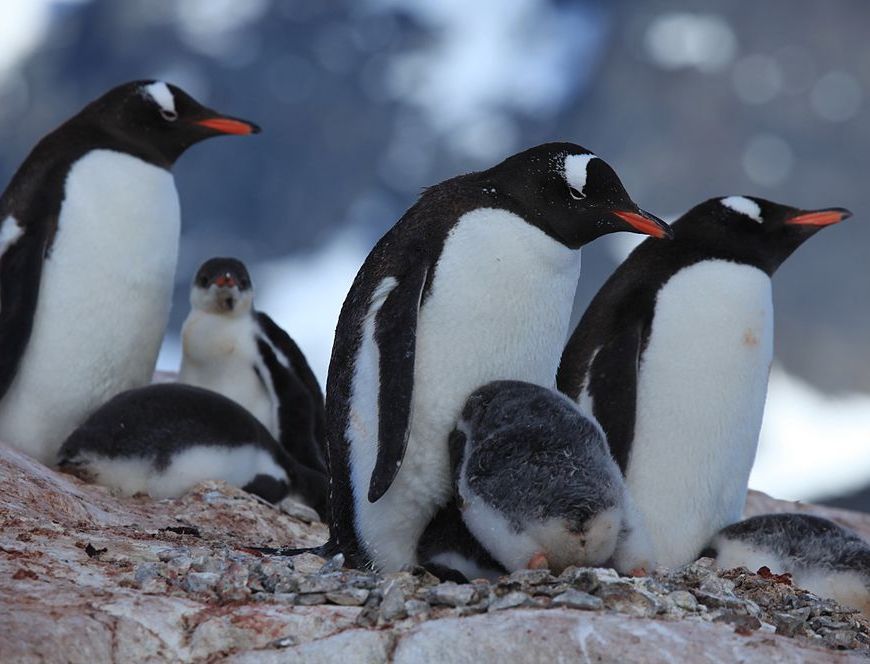
Marie Collison, Class of ‘25 Image 1 Gentoo penguins in Antarctica Marine pollution is a prominent problem in environmental policy and study. Reports of pollution in organisms in the Antarctic are becoming increasingly common, likely due to increasing human activity, growing tourism, and an expanding krill fishing industry. However, the sources of these pollutants along the West Antarctic Peninsula are still poorly understood. There are … Continue reading Modeling Debris Patterns in the Antarctic to Protect Biodiversity

Watermelon Snow: A Medium for Antibiotic Resistance Research

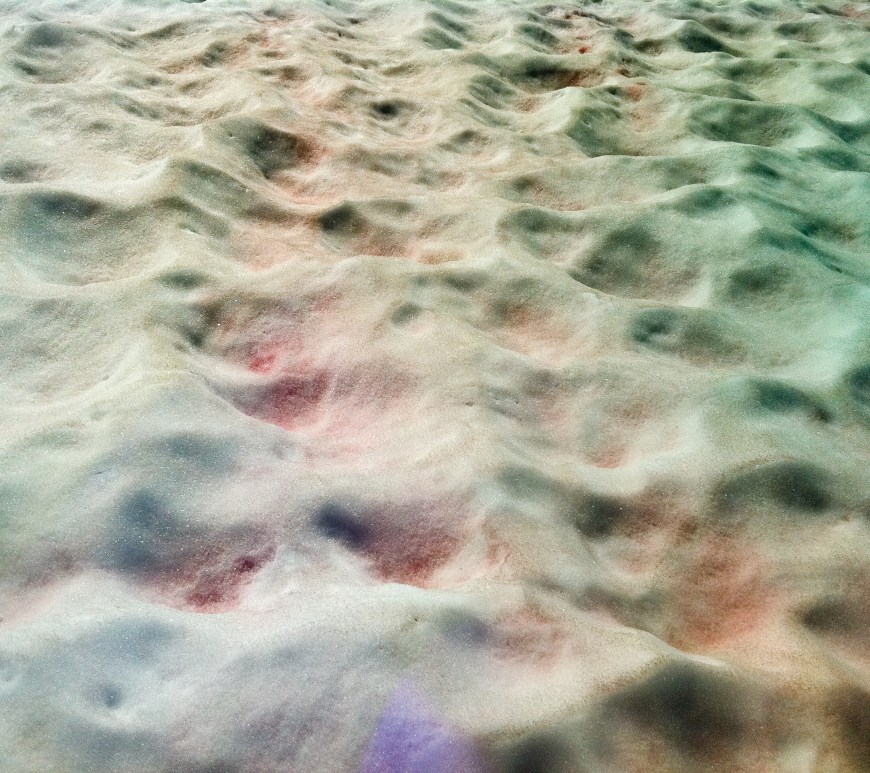
Author: Marie Collison, Class of ‘25 A common adaptation of bacteria is antibiotic resistance, a very important field of study in microbiology and medicine. Antibiotic resistance genes (ARGs) can arise naturally and exist as an important natural survival tool for bacteria. ARGs have risen in frequency in human-inhabited regions as a result of increased use of antibiotics. As a result, there is growing concern over … Continue reading Watermelon Snow: A Medium for Antibiotic Resistance Research

Figure 1. The benthic zone, which includes the sea floor, sediment, and surrounding waters, is the lowest ecological level in a body of water.

Warming Waters Unexpectedly Alters Growth of Antarctica’s Sea Life

By Gene Yang ’19 In shallow Antarctic waters, a nine-month long study was the first of its kind to artificially warm conditions in the sea floor to predicted climate change levels, and in doing so, the researchers saw an increase in the growth rates of select species. Scientists placed artificial “settlement panels” on the sea floor of shallow Antarctic waters. The composition of these panels … Continue reading Warming Waters Unexpectedly Alters Growth of Antarctica’s Sea Life