Human Agriculture and the Soiling of Earth’s Water

Jaenai Tercius, Class of 2028 A major form of pollution brought by industrial human activity is water pollution. Agriculture is a major contributor to water pollution due to runoff from nitrogen-based fertilizers, especially in coastal areas. Nitrogen is an essential nutrient for aquatic organisms, but when present in excess, nitrogen can lead to the overgrowth of organic matter and a decrease in oxygen in water, … Continue reading Human Agriculture and the Soiling of Earth’s Water

Modeling Debris Patterns in the Antarctic to Protect Biodiversity

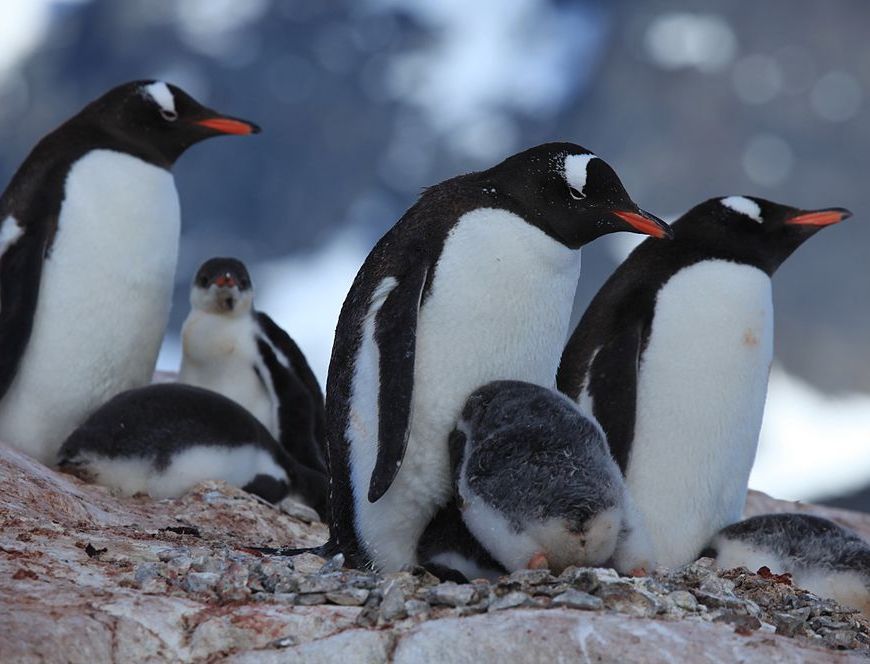
Marie Collison, Class of ‘25 Image 1 Gentoo penguins in Antarctica Marine pollution is a prominent problem in environmental policy and study. Reports of pollution in organisms in the Antarctic are becoming increasingly common, likely due to increasing human activity, growing tourism, and an expanding krill fishing industry. However, the sources of these pollutants along the West Antarctic Peninsula are still poorly understood. There are … Continue reading Modeling Debris Patterns in the Antarctic to Protect Biodiversity

Exploring the Biodiversity Inhabiting Sponges of the Great Barrier Reef

Author: Marie Collison, Class of ‘25 Sponges are a diverse group of multicellular organisms that inhabit aquatic ecosystems all over the globe. Scientists estimate that there are over 9000 unique species of sponges. The vast diversity of sponges enables them to provide a diverse range of habitats for a variety of aquatic taxa. They provide structure to environments that otherwise have minimal variation in elevation. … Continue reading Exploring the Biodiversity Inhabiting Sponges of the Great Barrier Reef

Adélie Penguins Are at Risk of Extinction by Climate Change

Melanie Karniewich ’25 Climate change is becoming more alarming at an increasing rate across the globe, affecting humanity and other life. Associate professor of ecology and evolution Heather Lynch and other researchers at Stony Brook University traveled to visit Adélie penguin colonies in Penguin Point, Devil Island, Vortex Island, and Cockburn Island. Comparing the population sizes with the severity of climate change in that area, … Continue reading Adélie Penguins Are at Risk of Extinction by Climate Change

Madagascar: Ecosystems and Biodiversity

Sabah Bari ’24 Biodiversity in an ecosystem is important because it maintains the structure and functioning of various organisms in the environment. Such as the supply of oxygen, water, the dependency of survival on plants and animals etc. One way to maintain biodiversity in ecosystems is reforestation. Stony Brook University researcher Patricia Wright had an ambitious plan of reforestation in Madagascar, Africa. Wright, a group … Continue reading Madagascar: Ecosystems and Biodiversity

Biodiversity Offers Insight into the Ecosystem of Liver Cancer

Priyanshi Patel ’22 Liver cancer is the second most lethal malignancy in the world and includes mainly hepatocellular carcinoma (HCC) and intrahepatic cholangiocarcinoma (iCCA). HCC is the most common type of primary liver cancer and often occurs in people with chronic liver diseases. iCCA is also a cancer that develops within the bile duct, whereas HCC occurs among alcoholics or those with fat accumulation in … Continue reading Biodiversity Offers Insight into the Ecosystem of Liver Cancer

Bat-Plant Mutualism in Brazil’s Cerrado and Efficiency in Conservation Efforts

Fatin Chowdhury ‘20 A group of researchers based in Europe and Brazil have detailed their literature-based simulation study of mutualistic bat and plant relationships in an area of Brazil called the Cerrado, with an emphasis on efficient conservation. This environment is a neotropical savanna biome characterized by high fauna diversity and distinct habitats, ranging from grasslands to dense gallery forests. These savannas are noted for … Continue reading Bat-Plant Mutualism in Brazil’s Cerrado and Efficiency in Conservation Efforts

Tree Diversity and Climate Change

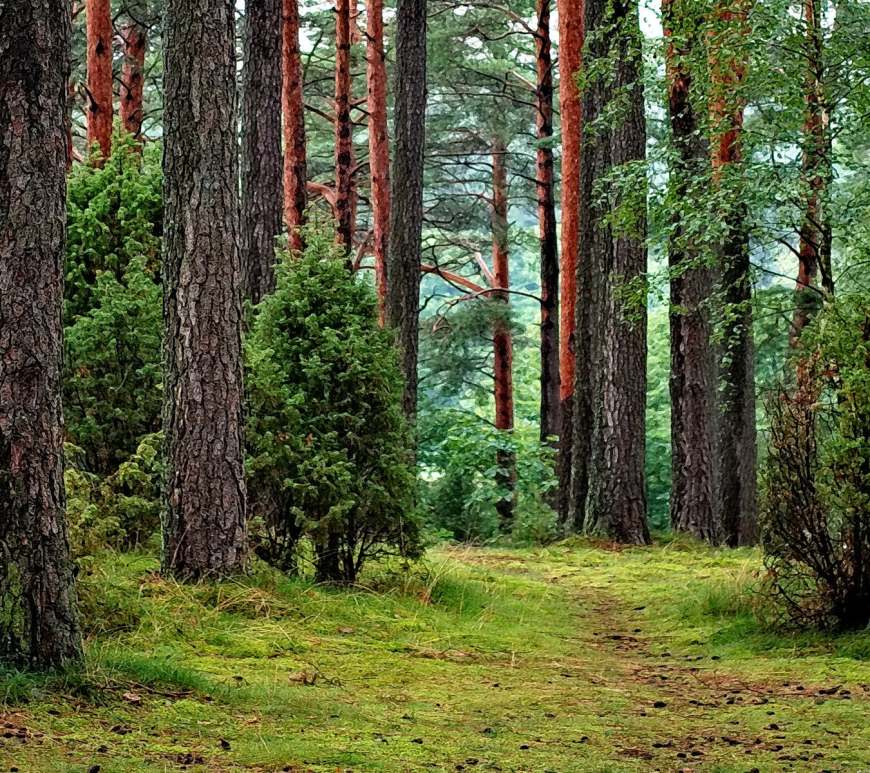
By Raymond Cheung ‘22 Since trees can absorb greenhouse gases through photosynthesis, reforestation efforts are becoming a more crucial way to combat climate change. However, new research suggests that the number of tree species planted is as essential as the quantity. A recent study conducted by Yuanyuan Huang and more than sixty scientists from China, Switzerland, and Germany analyzed over 150,000 trees planted in the … Continue reading Tree Diversity and Climate Change

New Wasp Species Discovered in Amazon

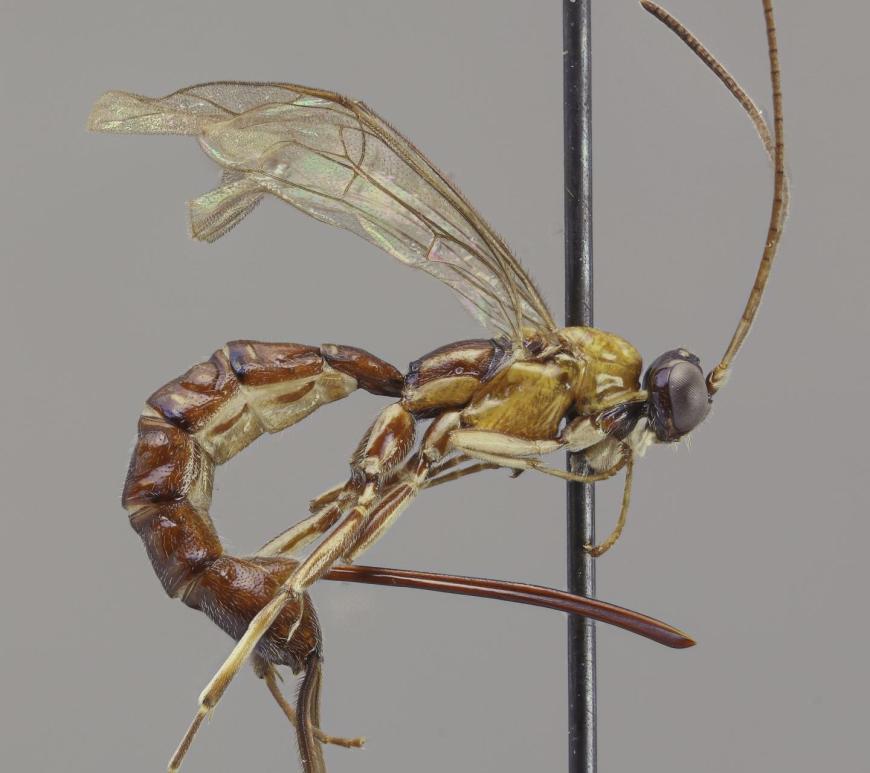
Rachel Kogan ’19 DThe Amazon Rainforest spans much of northern South America and is largely considered to be one of the most bio diverse regions on the planet. The ecological diversity in the transitional region between the rainforest and the Andes Mountains in particular has fascinated many scientists for decades. Recently, researchers have uncovered a novel wasp species with unique anatomical features inhabiting this area. … Continue reading New Wasp Species Discovered in Amazon

A Forest Pest Aids in Bat Survival

By Fatin Chowdhury ‘19 Although invasive pest species are often associated with threats to biodiversity, new research may indicate that the bark beetle I. typographus creates a conducive environment for the survival of an endangered European bat. A team lead by Dr. Mareike Kortmann of the University of Würzburg recently undertook a project examining the interaction of the bat species Barabastella barastellus within a forest … Continue reading A Forest Pest Aids in Bat Survival

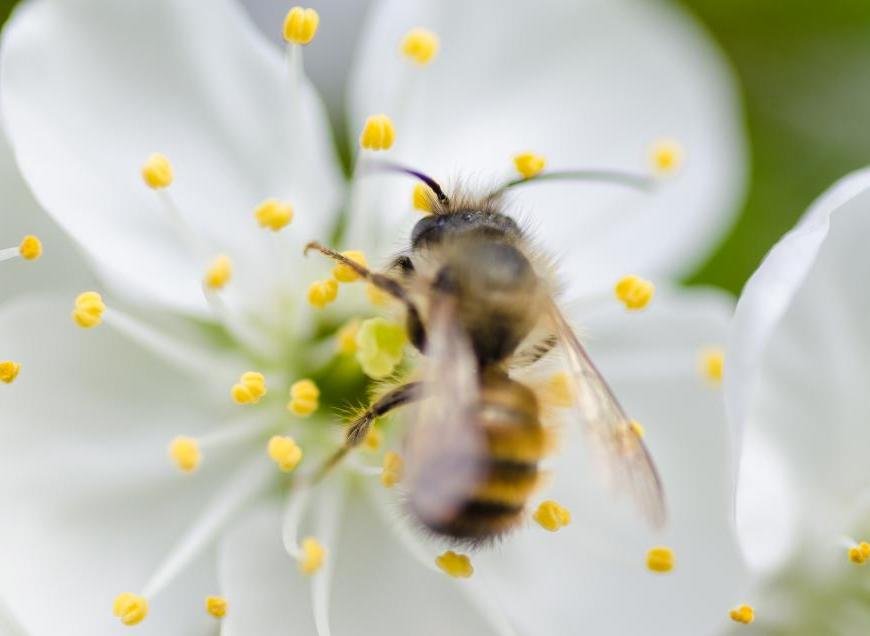
Figure 1. In light of recent climate change predictions, increasing biodiversity in bee populations may be crucial to coffee sustainability in Latin America.

Using Biointelligence to Combat the Effects of Climate Change on Coffee Agriculture

By Meenu Johnkutty ’21 For a number of years, many scientific models predicted a decline in bee populations due to the increase in the use of bee-killing pesticides in industrial agriculture. As global temperatures continue to rise, it is expected that biodiversity among bees will also continue to decrease, jeopardizing the pollination of many crops. As pollinators are essential to the pollination of the coffea … Continue reading Using Biointelligence to Combat the Effects of Climate Change on Coffee Agriculture