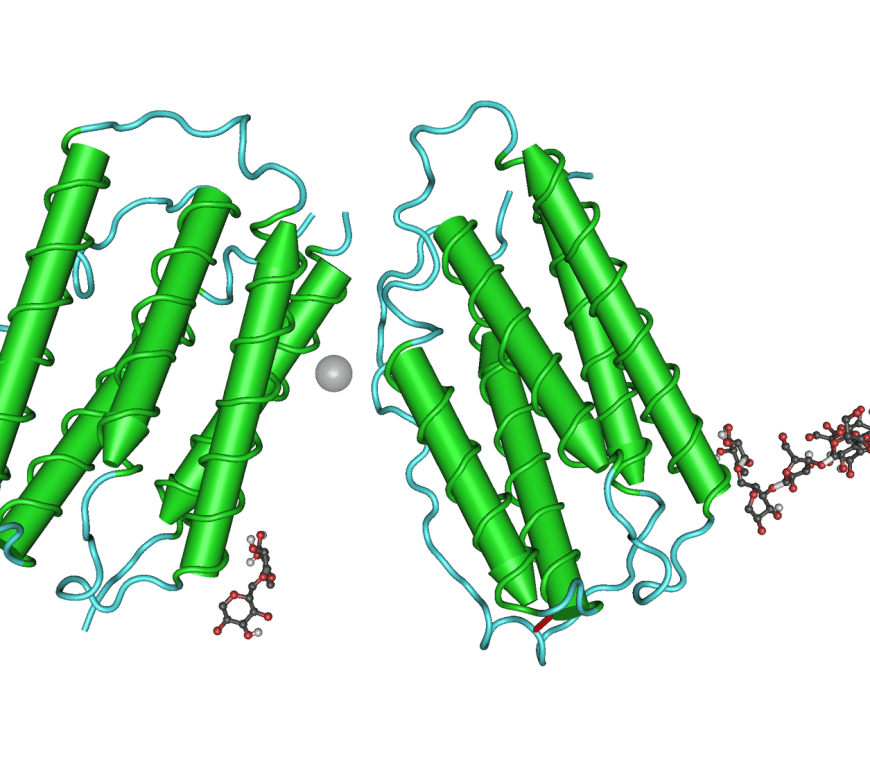
Figure 1. Research now suggests that fungi, after being genetically engineered to produce spider and scorpion toxins, could help eliminate malaria-carrying mosquitoes.

Arthropod Toxins Used to Engineer Mosquito-Killing Fungi

By Caleb Sooknanan ’20 Mosquitoes are known to transmit potent diseases — particularly malaria and dengue fever — among humans. The impact of these diseases is most apparent in sub-Saharan Africa, where over 200 million cases of malaria are reported annually. Many disease control programs in the region have used broad-spectrum insecticides to eliminate mosquitoes and reduce the spread of vector-borne diseases. However, malarial mosquitoes … Continue reading Arthropod Toxins Used to Engineer Mosquito-Killing Fungi

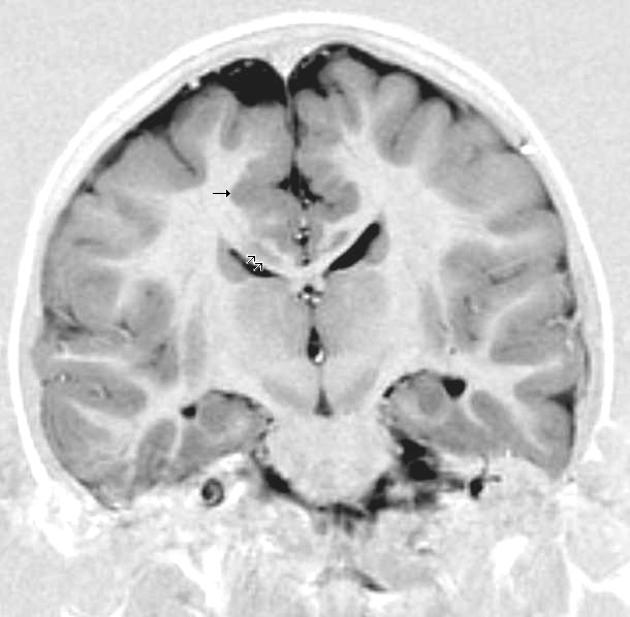
Caption: Gray matter is a crucial component of the human nervous system, and the location of synaptic connections. This is where thoughts are formed.

Perinatally acquired HIV associated with lower regional grey matter volume

Aaradhana Natarajan, 2020 The Human Immunodeficiency Virus, commonly called HIV, is one of the most widespread immune disorders across the globe. It weakens the immune system by reducing lymphocyte count and increasing susceptibility to other diseases. While it is most commonly known for its transmissibility, it is also possible for HIV-positive pregnant women to pass on the infection to their offspring. This form of HIV … Continue reading Perinatally acquired HIV associated with lower regional grey matter volume

Figure 1: Type 1 IFN protein.

Determining a Mechanism for Nervous System Lupus

By Anna Tarasova ’19 Systemic lupus erythematosus (SLE) is an uncommon but debilitating autoimmune disease that is accompanied by psychiatric and neurological symptoms in 75% of cases. SLE with these neuropsychiatric symptoms that include depression, anxiety, and seizures is known as CNS lupus. The mechanism behind CNS lupus has long been a mystery. Dr. Allison Bialas and her team analyzed SLE progression in a lupus-prone … Continue reading Determining a Mechanism for Nervous System Lupus

Figure 1: Fetus at 9-10 weeks estimated gestational age (EGA)

New Discoveries in Fetal Immune Response Capacity

By Anna Tarasova ’19 The immune system of a fetus differs significantly from that of an infant or adult. During the second trimester of pregnancy, a fetus’s immune system is able to recognize antigens, or foreign cells, and conduct an immune response using dendritic cells. Dendritic cells are antigen-presenting cells (APC), which means that they place antigens along with specific receptors on their cell surface … Continue reading New Discoveries in Fetal Immune Response Capacity

Figure 1: Infant teeth were used as biomarkers to analyse metal exposure and its connection to autism.

Infant Teeth Reveal Metal Exposure Correlates with Autism

By Rideeta Raquib Autism spectrum disorder (ASD) refers to a classification of developmental disabilities characterized by changes in social communication, as well as repetitive and restricted patterns of behavior or interests. Approximately 50 percent of ASD risk is linked to genetics and the rest is attributed to environmental factors, including fetal or early childhood exposure to toxic metals and nutrient deficiencies. Researchers from The Senator … Continue reading Infant Teeth Reveal Metal Exposure Correlates with Autism

Figure 1: A form of immunotherapy has the potential to stop allergic reactions.

Therapeutic Technique Inactivating Allergic Response

By Rideeta Raquib Allergic reactions are common issues caused by the dysregulation of Th2 cells responses towards allergens. Normally, Th2 CD4+ T cells produce cytokines in response to allergens, and cause chronic inflammation and mucus hypersecretion, among other symptoms. Although genetics does play a role, allergic diseases, such as asthma, occur after sensitization and effector/memory T cell differentiation has taken place. Common treatment includes avoiding … Continue reading Therapeutic Technique Inactivating Allergic Response

Figure 1: Shown here is an example of Scopulariopsis, a genus of fungi capable of living in the absence of soil, air, plant debris, and dung. A new species of this fungi was recently discovered in cotton plants in Hangzhou, China.

Combination Therapies Reduce Treg Functions in CHC Patients

by Caleb Sooknanan ’20 Regulatory T-Cells, or Tregs, are important contributors to the development of chronic hepatitis C (CHC) infections in patients. Oral antiviral agents are the most common treatments for CHC infections in most Western countries, while pegylated interferon (PEG-IFN) treatment is the standard therapy in many Asian countries. PEG-IFNs are interferons that attach to polyethylene glycol molecules to trigger sustained virological responses (SVR) … Continue reading Combination Therapies Reduce Treg Functions in CHC Patients

Figure 1: Researchers at the Yokohama City University Graduate School of Medicine in Japan used computational fluid dynamics (shown) to analyze the flow distribution of anticancer agent into the branches of the external carotid artery during intra-arterial chemotherapy.

Computational Fluid Dynamics Can Be Used to Treat Oral Cancer

by Caleb Sooknanan ’20 Surgical procedures have often been used to treat oral cancer. However, these procedures can cause oral dysfunction — often in the form of speech and breathing difficulties — and thereby harm respiratory organs. To preserve organ function, intra-arterial chemotherapy (IAC) has become a valuable form of treatment. IAC releases more anticancer agents into tumor-feeding arteries than intravenous systemic chemotherapy. However, anticancer … Continue reading Computational Fluid Dynamics Can Be Used to Treat Oral Cancer

Figure 1: Pegylated-interferon (PEG-IFN) treatment is the standard therapy for chronic hepatitis C in Asian countries; it is sometimes performed as part of a combination therapy with ribavirin (RBV), but more research is needed to understand how Treg function is affected in patients.

New Species of Fungi Discovered in Chinese Cotton Plants

by Caleb Sooknanan ’20 Dr. Xiao-Lin Li and researchers at Zhejiang University in China recently discovered a new fungal species, now identified as Scopulariopsis gossypii. The species was found in the vascular bundles of cotton plants infected by Verticillium dahlia, a pathogen of economic importance throughout the city of Hangzhou. Scientists have already associated the genus Scopulariopsis with fungi that are isolated from air and … Continue reading New Species of Fungi Discovered in Chinese Cotton Plants

Figure 1: This is an example of a patient that shows symptoms of vitiligo. TRM cells were found to permanently reside in the affected areas and can be the key to long-term anti-tumor immunity.

Immunity to Future Cancers with Resident Memory T Cells

Richard Liang 18’ Skin cancer melanomas develop from melanocytes, or pigment-containing cells, and cause discoloration in various parts of the body. Patients with melanomas are also likely to develop an autoimmune disease known as vitiligo, in which the body’s immune system attacks melanocytes. This results in a patchy loss of pigmentation. Recently, in a study led by Mary Jo Turk from the Department of Microbiology … Continue reading Immunity to Future Cancers with Resident Memory T Cells

Figure 1:

Integrating Synthetic Biology with Hepatogenous Diabetes Treatments

Caleb Sooknanan ‘20 Hepatogenous diabetes is a condition often characterized by the comorbid presence of type 2 diabetes with chronic liver disease. A major factor in this condition is insulin resistance (IR), an asymptomatic disease state in which impaired insulin signaling causes organ dysfunction. Current therapies that target IR are limited and generally inapplicable for patients with liver disease. Dr. Shuai Xue and researchers at … Continue reading Integrating Synthetic Biology with Hepatogenous Diabetes Treatments

Figure 1. The naked mole-rat’s ability to temporarily survive without oxygen can help create new treatments for stroke and heart attack patients.

From Naked Mole-Rats to Human Treatment

By Taylor Ha ’18 Naked mole-rats are pink, wrinkly, and big-toothed. Deep underground in hypoxic, or low oxygen, and high carbon dioxide conditions, these strange creatures live in colonies of up to 280 members. And, according to a recent study published on April 21, 2017, they also have the ability to metabolize fructose, just like plants, and survive without oxygen for 18 minutes without any … Continue reading From Naked Mole-Rats to Human Treatment