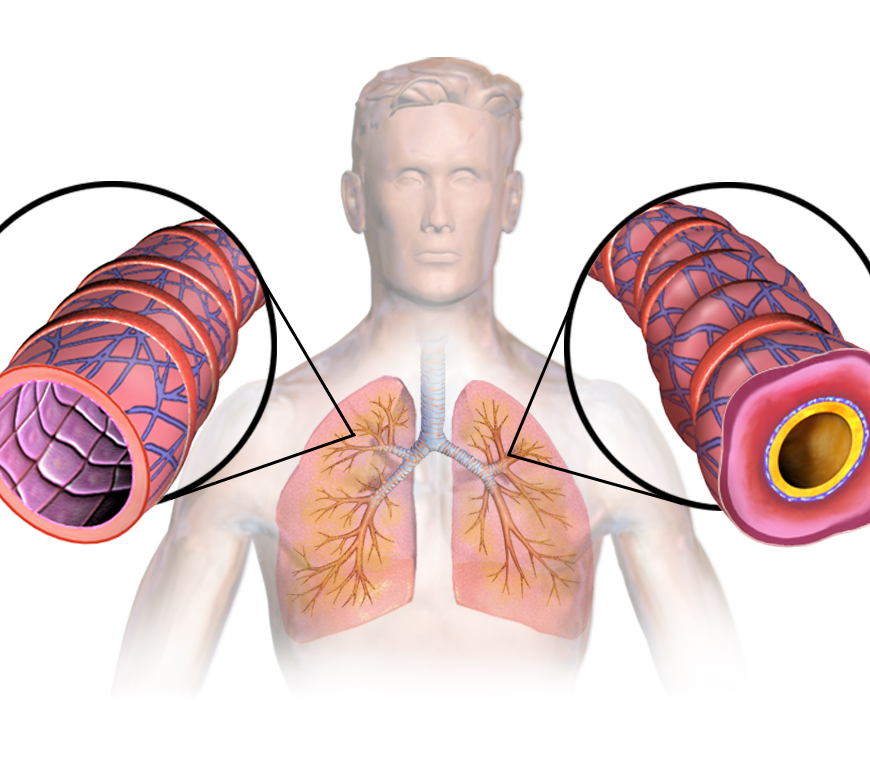
Figure 1. Asthma’s exaggerated contraction of airways is due to a lack of smooth muscle relaxant.

Airway Smooth Muscle Relaxant Finally Identified

By Patrick Yang ’20 Asthma, characterized by its iconic inhalers and abrupt episodes of coughing and wheezing, affects approximately 334 million people worldwide. The inflammatory disease is caused by the prolonged contraction of airway smooth muscles, which triggers difficulty with breathing. Despite our understanding of asthma’s symptoms, the mechanism behind asthma is still a mystery. Scientists speculate that normal airway epithelium, or cells composing the … Continue reading Airway Smooth Muscle Relaxant Finally Identified

Figure 1. Hospital patients who are connected to medical devices are at risk for bacterial sepsis.

Hospital Sepsis Is Dependent on Toxins for Survival

By Patrick Yang ’20 The hospital is considered a place of treatment, but hospitalization also runs the risk of bacterial sepsis – an often fatal immune response to bacterial infection. Bacterial sepsis frequents patients who are connected to medical devices like needles and catheters, which can easily launch the bacteria into the bloodstream. That infection, compounded with an already compromised immune system, can prove to … Continue reading Hospital Sepsis Is Dependent on Toxins for Survival

Fat Metabolism Activated by Brain Hormone

By Rideeta Raquib ’19 The central nervous system is essential in regulating different parts of the body. Serotonin (5-hydroxytryptamine, 5-HT), a neuromodulator, has been related to feeding and metabolizing, as well as burning fat. Biologists at the Scripps Research Institute set out to identify a neuropeptide ligand and its cognate receptor that makes up the 5-HT neuroendocrine axis. The study was conducted on a roundworm … Continue reading Fat Metabolism Activated by Brain Hormone

Hearing Restoration Via Gene Delivery

By Rideeta Raquib ’19 Inner ear disease disrupts a key sense of hearing for many people worldwide. However, gene therapy can treat inner ear disease if reagents are introduced into appropriate cells. A group of researchers from Harvard Medical School and the Massachusetts Hospital managed to effectively restore hearing in mice by utilizing gene therapy. The inefficacy of vectors transferred into hair cells is a … Continue reading Hearing Restoration Via Gene Delivery

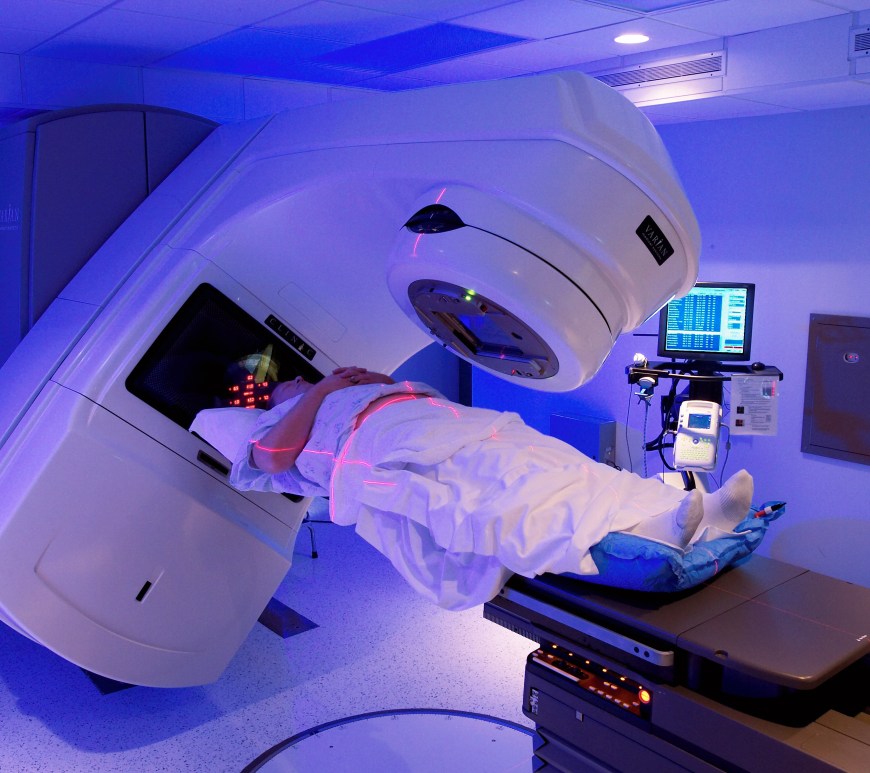
Inhibition of RAD51 Repair Protein Enhances Radiotherapy

Patrick Yang ‘20 Despite intensive radiotherapy and treatment, glioblastoma, an aggressive form of brain cancer, is often fatal. It is widely believed that a subgroup of glioblastoma cells, called glioblastoma stem cells, is responsible for treatment resistance because the cancer’s DNA damage response is localized in these cells. The discovery and manipulation of the mechanism for the upregulation of DNA damage response in glioblastoma stem … Continue reading Inhibition of RAD51 Repair Protein Enhances Radiotherapy

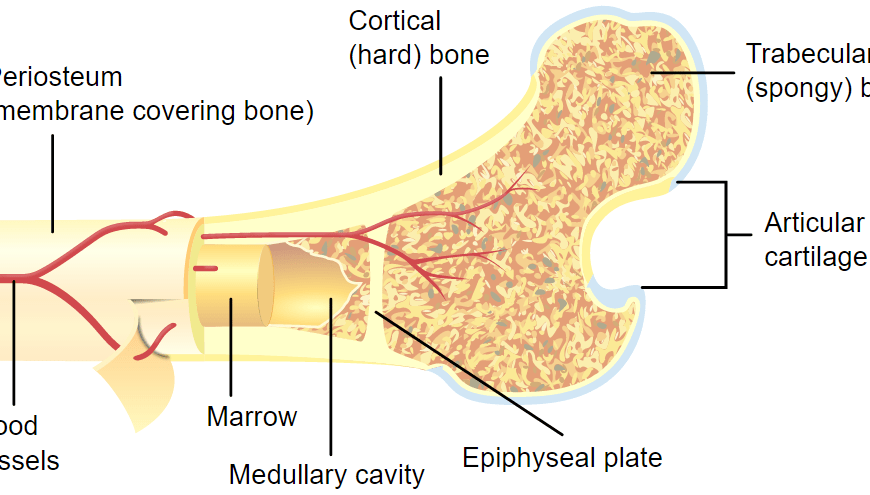
Study examines the effect of exosomes on osteochondral regeneration

by Aaradhana Natarajan ’20 Adult mesenchymal stem cells (MSCs) are effective in osteoarithritic repair of bone cartilage. Currently, the efficacy of stem cell treatments has been ascribed to the exosomes released by the MSCs. Dr. Zhang and researchers at the National University of Singapore recently investigated the ability of MSC exosomes to treat osteochondral defects. Researchers created osteochondral defects on the trochlear grooves on the … Continue reading Study examines the effect of exosomes on osteochondral regeneration

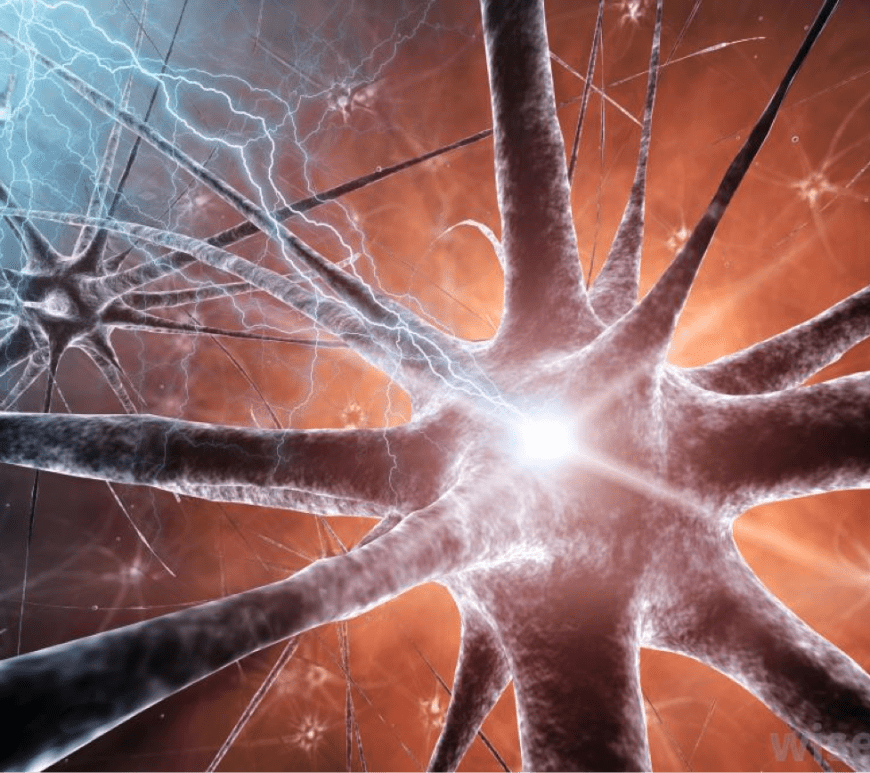
Creating a Living Bio-Hybrid System

by Rideeta Raquib ’19   Neurons are a remarkable aspect of living organisms that enable electrical signals to travel to the brain and back, this translates to voluntary and involuntary responses. Designing a functional system that could mimic the actions present in the brain has proved to be an obstacle for many researchers. The most tedious aspect of such a design is to model the learning … Continue reading Creating a Living Bio-Hybrid System

Wearable Patch Increases Tolerance of Peanut Allergens

by Patrick Yang ’20   Consuming a tiny sample of peanuts can induce life-threatening anaphylaxis in a person with peanut allergies. Peanuts are the most prevalent allergens, accounting for approximately 16 percent of the allergies that Americans suffer from. Incidence rates are only rising, according to the American Academy of Allergy, Asthma, & Immunology. Although some children are able to outgrow their allergy, a decisive cure … Continue reading Wearable Patch Increases Tolerance of Peanut Allergens

Rapidly Detecting Wound Bacteria

by Michael D’Agati ’18   Infections caused by wounds are a health concern for many people around the world. If treated incorrectly, these infections can cause major health problems for those affected. Treatments that can reduce the severity of the infections depend on rapid and timely detection of the infection-causing bacteria. In the past decade, previous attempts at creating biosensors for detecting wound bacteria have suffered … Continue reading Rapidly Detecting Wound Bacteria

Phantom Limb Pain Caused by Sensorimotor Cortex Plasticity

by Patrick Yang ’20   Amputation or severe neural damage can trigger phantom limb pain, chronic pain felt in a limb that is no longer present. Phantom pain, which is associated with a burning or hypersensitive sensation, has a wide range of duration – it can be as short as a few minutes or as long as a couple days. According to popular theory, maladaptive plasticity … Continue reading Phantom Limb Pain Caused by Sensorimotor Cortex Plasticity

A Newly Discovered Function of Cyclin A2, a Major Regulator of Cell Cycle Progression in Tumors

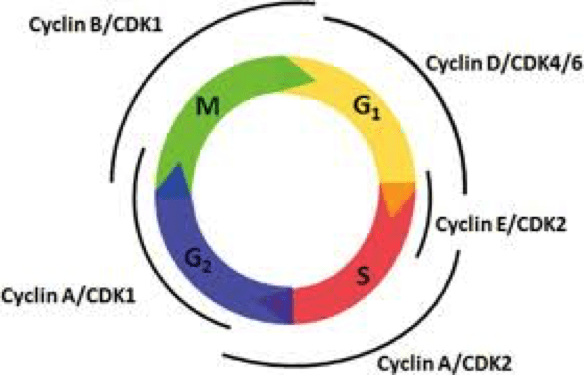
by Jalwa Afroz ’17   Regulation of the cell cycle is crucial to maintain appropriate cell growth, proper chromosome replication and segregation. Cyclin A2 is one of the many cell cycle regulators that activate cyclin-dependent kinases, Cdk1 and Cdk2, which form Cyclin A2-cdk complexes that activate transcription of DNA replication factors that promote progression through the cell cycle. Conditional cyclin A2 knockout mice revealed the … Continue reading A Newly Discovered Function of Cyclin A2, a Major Regulator of Cell Cycle Progression in Tumors

Gold Nanoparticles Suppressing Tumor Growth in Pancreatic Cancer

by Rideeta Raquib ’19   Gold is one of the most valuable resources in the world, and its value may be even greater due to its potential as a new treatment for pancreatic cancer. Previously, gold nanoparticles, AuNPs, were used to target tumor regions and aid in the transport of drugs and chemotherapy to the tumor.  A previous study showed that gold nanoparticles had the ability … Continue reading Gold Nanoparticles Suppressing Tumor Growth in Pancreatic Cancer