Thumb-Suckers Develop Less Allergies

by Julia Newman (’19) According to the popular Hygiene Hypothesis, if a child is exposed to bacteria and other microbes early in life, he will be more resistant to various bacterial illnesses. In order to test this premise, Stephanie Lynch of the American Board of Pediatrics and Malcolm Sears of the Department of Respirology at McMaster University conducted a study on thumb-sucking and nail-biting in … Continue reading Thumb-Suckers Develop Less Allergies

The Effect of “Burning Out” and Secondary Traumatic Stress in Medical Students

by Jenna Mallon (’18) Burnout in medical education has been a focus of study due to the negative consequences it can have on student performance. Secondary traumatic stress, caused by exposure to traumatic events, is studied less but is still prevalent in the medical field. Dr. David A. Richardson, from the Department of Obstetrics and Gynecology at the Henry Ford Hospital/Wayne State University, and a … Continue reading The Effect of “Burning Out” and Secondary Traumatic Stress in Medical Students

The Correlation Between Smoking and Mental Health

by Jenna Mallon (’18) Since smoking affects different neurotransmitter systems throughout the body, it has been known to cause changes in mood and sleep patterns. Numerous studies have been done to determine the relationship between smoking and sleeping, but mental illnesses and mood changes have been greatly overlooked. Dr. Takahiro Kawada and a team of researchers from the Center for Regional Collaboration at Kochi University … Continue reading The Correlation Between Smoking and Mental Health

The Many Advantages of Almonds

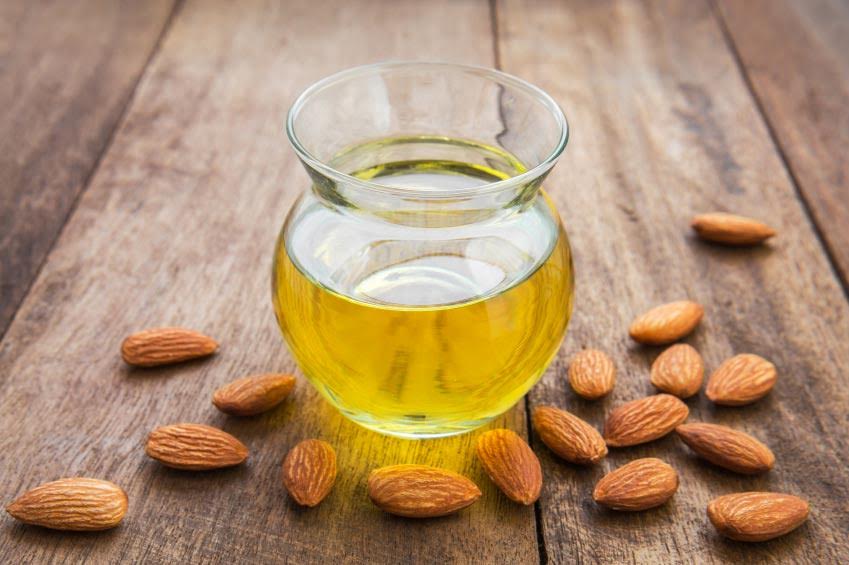
by Julia Newman (’19) Oilseeds are incredibly valuable in our society because they are applicable to a wide array of industries. Currently, soybeans, sunflowers, and rapeseeds are the most commonly used plants for their oils due to their high nutritional value, ability to reduce the risk of cardiovascular disease, and large quantity of oil extracted per plant. However, it was recently discovered by Dr. Sorkheh … Continue reading The Many Advantages of Almonds

Mindfulness: A New Treatment For Multiple Sclerosis Patients

by Jenna Mallon (’18) Along with the disabilities caused by damage to the Central Nervous System (CNS), stress, depression, and anxiety are common occurrences for patients who suffer from Multiple Sclerosis (MS). In many cases, these mental illnesses will exacerbate the physical side effects of MS. In order to combat this, psychological treatments like Cognitive-Behavioral Therapy (CBT) have been used in conjunction with traditional forms … Continue reading Mindfulness: A New Treatment For Multiple Sclerosis Patients

A New Vaccine For Alzheimer’s Disease

by Sahil Rawal (’19) Alzheimer’s disease is a debilitating disease that most often affects people of older age. A common trait within patients with Alzheimer’s disease is the accumulation of beta-amyloid proteins. These proteins eventually form plaques in the brain, which block nerve signaling and cause cell death. Although this is widely known, there have been very few successful treatments created within the last few … Continue reading A New Vaccine For Alzheimer’s Disease

The Influence of Religion on the Sexuality of Women

by Lillian Pao (’18) Religion and spiritual beliefs may influence pregnant and postpartum women’s sexuality. Professor Sagrario Gomez Cantarino, from the University of Castilla la Mancha in Toledo, Spain, and his team of researchers wanted to understand a woman’s perspective on this issue as a result of her interactions with others as well as influential cultural and historical ideals. To further learn about women’s thoughts, … Continue reading The Influence of Religion on the Sexuality of Women

Low-Density Lipoproteins May Affect Cognitive Function

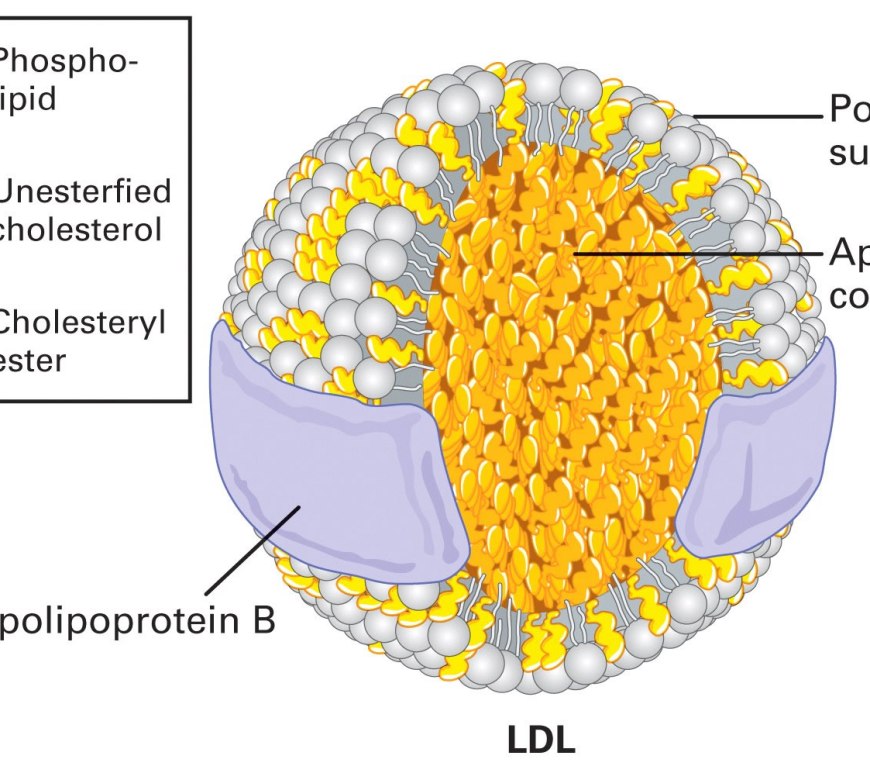
by Sahil Rawal (’19) Cholesterol is a lipid in our body that is necessary for proper functioning. However, low-density lipoproteins, also known as LDLs, are a type of harmful cholesterol that can build up and cause problems in arteries, which can lead to heart attacks or strokes. Although there is an abundance of information about the harmful effects of LDLs, there is an ambiguity of … Continue reading Low-Density Lipoproteins May Affect Cognitive Function

The Environmental Effect of the U.S. Health System

by Lillian Pao (’19) In 2013, the United States spent $3 trillion dollars on its health care system. Hospitals are highly dependent on heating and cooling energy systems, medical and laboratory equipment, sterilization, and more. Due to this dependency on technology, hospitals emit greenhouse gases (GHGs) which can greatly damage public health. Despite this, there has been little effort to try to quantify the consumption-based … Continue reading The Environmental Effect of the U.S. Health System

New Imaging System May Help Remove Tumor Tissue

by Sahil Rawal (’19) Ovarian cancer is commonly treated by surgery to remove the tumor, but often, tumor tissue is still left behind after the surery. To remove the extra tumor tissues, surgeons have to go back and manually distinguish between malignant and benign tissue. This difficulty leads to malignant tumor tissue being left in the patient for long periods of time, which is a … Continue reading New Imaging System May Help Remove Tumor Tissue

The Health Benefits of Coffee

by Julia Newman (’19) Despite the common conception that coffee can be unhealthy, many research studies show that drinking coffee in moderate amounts may benefit your body in the long run for reasons scientists are mostly unaware of. Coffee has been shown to greatly help in preventing type 2 diabetes, liver disorders, and even Parkinson’s disease. In addition, it tends to have no effect on … Continue reading The Health Benefits of Coffee

A New Drug For Kidney Disease

by Sahil Rawal (’19) Type 2 diabetes is a serious disease that has been connected with organ failures throughout the body. One example of this is kidney disease, which has been shown to develop in 35% of people with Type 2 diabetes. Current treatments for kidney disease involve glucose-controlling systems and RAAS-blocking agents, but these therapies still leave patients at a high risk for death. … Continue reading A New Drug For Kidney Disease