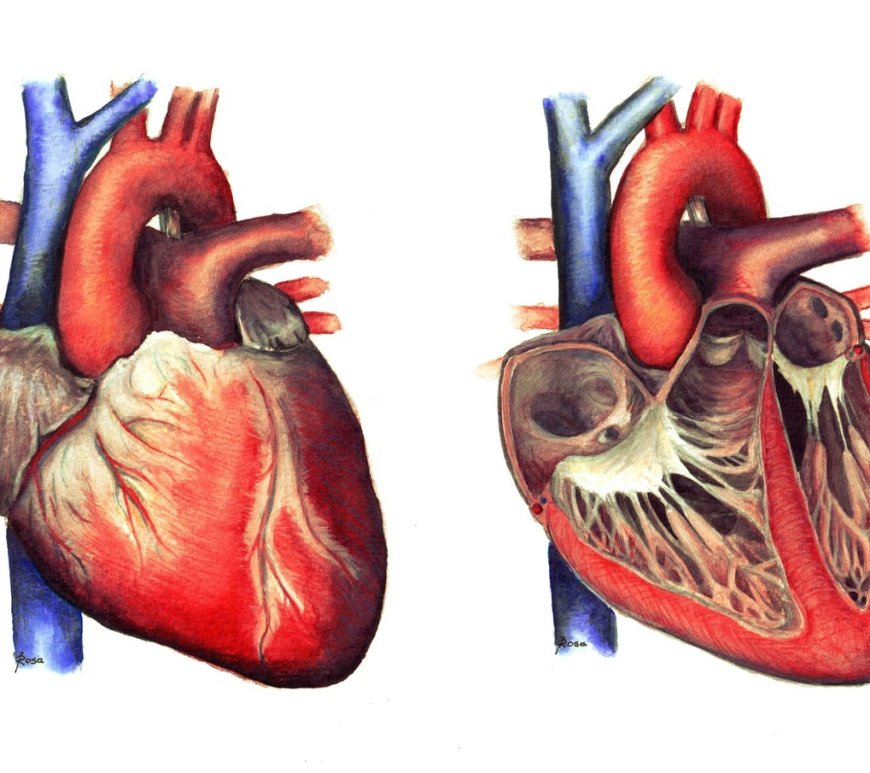
A Single-Pill HIV Treatment

By Richard Liang ’18 After extensive use of their multi-drug regimens, many HIV patients begin suffering from kidney impairment and decreased bone density. These pathologies have been recently associated with the chemical tenofovir in the medication regimens. As a response to this, the FDA approved Genvoya, a pill that minimizes tenofovir’s negative side effects. This novel pill combines dosages of active ingredients from standard medications, … Continue reading A Single-Pill HIV Treatment

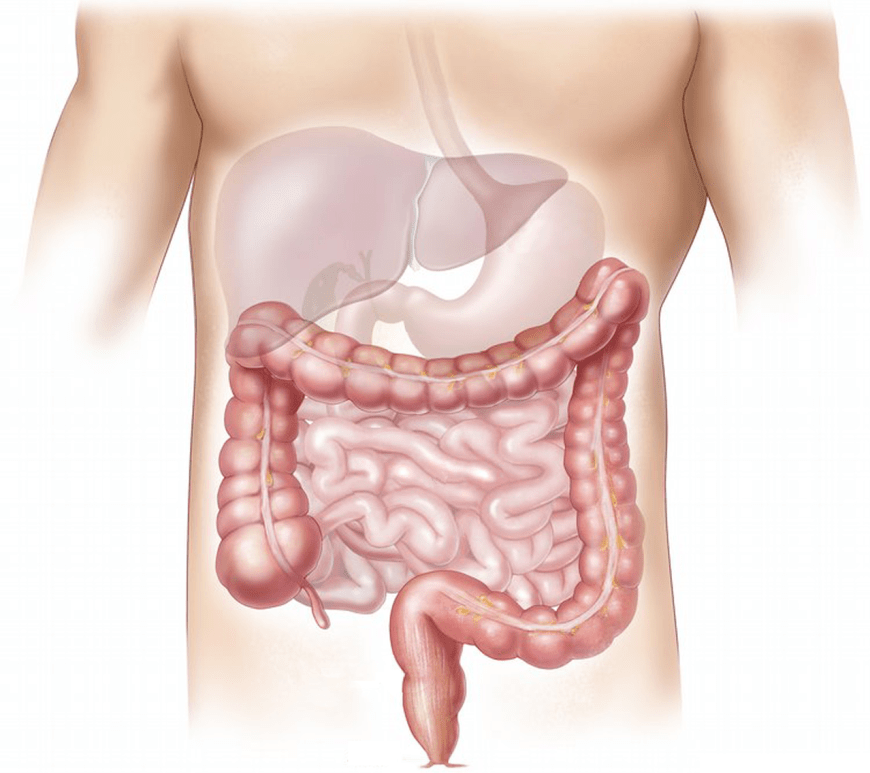
Are There Racial Differences in Cancer?

By Cerise Carey Americans of African descent are at a higher risk for developing gastrointestinal (GI) cancers than other individuals, but are there racially determined differences in the cancer itself? Dr. Ellen Li and her colleagues from Stony Brook University are teaming up with SUNY Downstate and Cold Spring Harbor Laboratory to try to find an answer to this question by looking into the biological … Continue reading Are There Racial Differences in Cancer?

Scientists Penetrate the Blood-Brain Barrier Using Microscopic Bubbles

By Lee Ann Santore The blood-brain barrier acts as a shield to the brain and prevents toxins from reaching the central nervous system. Unfortunately, it also prevents the passage of medicines into the brain. A team of Canadian researchers from the Sunnybrook Health Sciences Centre, led by Todd Mainprize, has developed a technique to penetrate the blood-brain barrier by injecting microscopic bubbles into the bloodstreams … Continue reading Scientists Penetrate the Blood-Brain Barrier Using Microscopic Bubbles

Microflowers Offer an Innovative New Microform Structure

By Lee Ann Santore Microforms that take on the structure of flowers could be the future of cutting-edge technology. A team of researchers, from the RMIT-Indian Institute of Chemical Technology Research Centre, led by Dr. Sheshanath Boshanale, succeeded in developing microforms, microscopic images used for storage of larger images, with flower-like structures. The microflowers have exciting potential in many fields, such as optoelectronics, nanotechnology, and … Continue reading Microflowers Offer an Innovative New Microform Structure

Evaluations of the First Dissolvable Cardiovascular Stent

By Jessica Desamero Heart disease in the U.S. is one of the leading causes of death. The most common type is coronary heart disease (CAD), which can lead to heart attacks. It is caused by plaque buildup in arteries that supply the heart with blood, causing them to narrow. To this day, bare-metal stents have been inserted in CAD patients to counter-act this blockage. But … Continue reading Evaluations of the First Dissolvable Cardiovascular Stent

Aristolochic Acid, used in herbal remedies, linked to urothelial cancers and neuropathic diseases

By Katherine Maiorisi Dr. Grollman of Stony Brook University was honored in 2011 with the Environmental Mutagen Society (EMS) award for his work on aristolochic acid (AA) and its relation to cancer and neuropathy [1]. Throughout the past fifty years studies have been done on the effect of environmental agents on neuropathy. Aristolochia poisoning was first proposed in 1969 by Ivi´c, but was disregarded, until … Continue reading Aristolochic Acid, used in herbal remedies, linked to urothelial cancers and neuropathic diseases