Neuronal Firing in Thalamus is Key to Restoring Post-TBI Consciousness

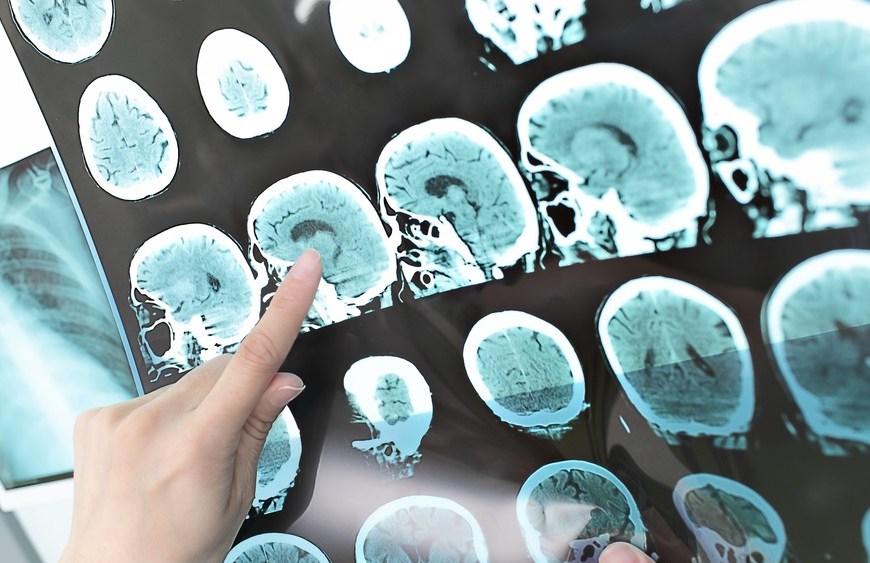
Vignesh Subramanian ’24 Traumatic brain injury (TBI) is a form of acquired brain disability caused by an external force exerted against the head. The causative trauma is typically severe enough to result in loss of consciousness and the conditions under which consciousness returns remain unclear. Clinical practice uses complex electroencephalography (EEG) activity to predict its return and level, predicated on the assumption that neuronal firing … Continue reading Neuronal Firing in Thalamus is Key to Restoring Post-TBI Consciousness

Selective Striatal Neuron Degeneration in HD Linked to Autophagy Impairment

Vignesh Subramanian ’24 Huntington’s disease (HD) is an inherited neurodegenerative disease that causes the progressive breakdown of neurons over time, resulting in the development of involuntary movements (chorea), psychiatric disorders, and cognitive decline. HD is caused by the dominant mutation of the HTT gene encoding huntingtin, a protein whose normal function is unknown but is linked to projection neuron death in the striatum of the … Continue reading Selective Striatal Neuron Degeneration in HD Linked to Autophagy Impairment

Accidental EEG Recording of Dying Patient Offers Tentative Glimpse into Our Final Moments

Jessica George ’24 In our relentless pursuit for knowledge, perhaps one of the most perplexing questions to humankind is what happens when we die. Several individuals who have undergone near-death experiences (NDE) describe their “life flashing before their eyes.” There is also the classical theory of a hypoactive brain during the end stages of life, where the brain ceases all electrical activity. Contrary to this … Continue reading Accidental EEG Recording of Dying Patient Offers Tentative Glimpse into Our Final Moments

Lack of CLOCK Regulator Protein May Predict Focal Seizure Susceptibility

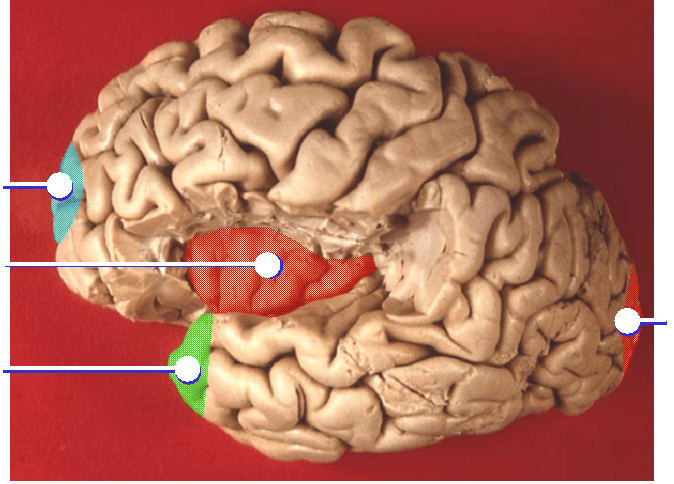
By Vignesh Subramanian ’24 Focal seizure activity originates at particular foci﹣those being lobes, regions or hemispheres – of abnormal brain tissue and may emanate outward.  Epilepsy is a chronic central nervous system disorder characterized by uncontrolled electrical activity in the brain that triggers recurrent, spontaneous seizures. The majority of new epilepsy cases involve focal epilepsy, in which seizure activity originates in a particular “focus” or … Continue reading Lack of CLOCK Regulator Protein May Predict Focal Seizure Susceptibility

Type 2 Diabetes Accelerates Brain Aging-Related Neurocognitive Decline

Vignesh Subramanian ’24 Type 2 diabetes mellitus (T2DM) is a chronic metabolic disease characterized by dysfunctions relating to hyperglycemia, the state of high glucose levels in the bloodstream. Such excessive blood sugar is typically the combinatory result of inadequate secretion of insulin (a hormone that directs cells and the liver to take up glucose for energy and long-term storage, respectively), uncontrolled secretion of glucagon (an … Continue reading Type 2 Diabetes Accelerates Brain Aging-Related Neurocognitive Decline

Loss of NG2 Glia Implicated in Emergence of Depression Symptoms

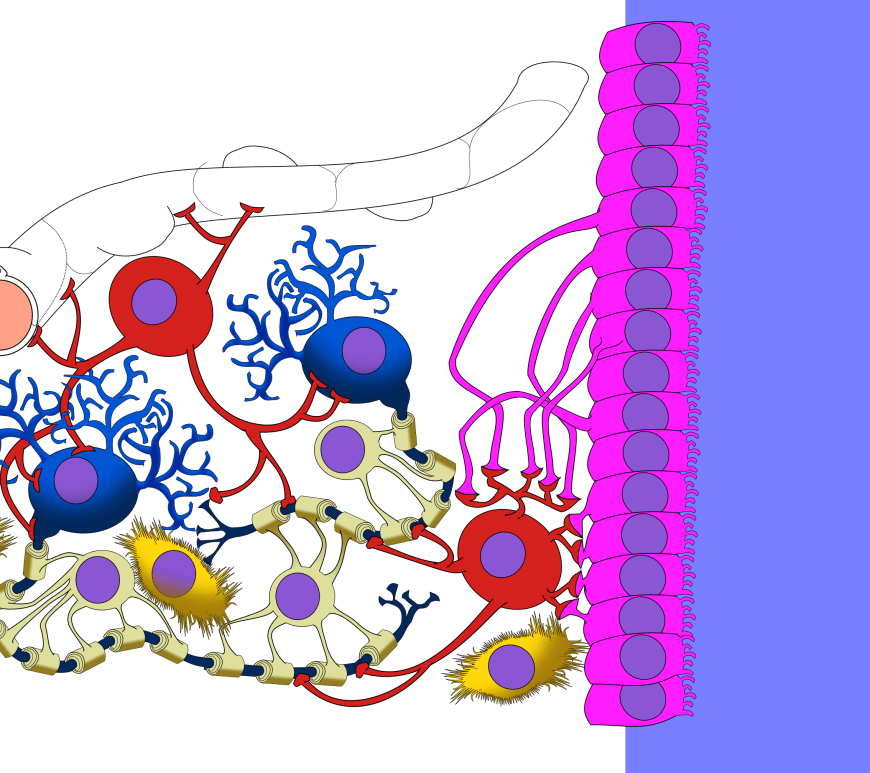
Vignesh Subramanian ’24 Glia are non-neuronal cells that host and provide a number of homeostatic ancillary functions in both the central (CNS) and peripheral (PNS) nervous systems. Though only recently discovered and characterized, glial cells vastly outnumber neurons and provide them with structural support and insular protection, driving their myelination (the process of forming coverings known as myelin sheaths that coat neurons’ signaling axons), facilitating … Continue reading Loss of NG2 Glia Implicated in Emergence of Depression Symptoms

Stabilization of BBB Junction Protein Attenuates Epileptic Brain Activity

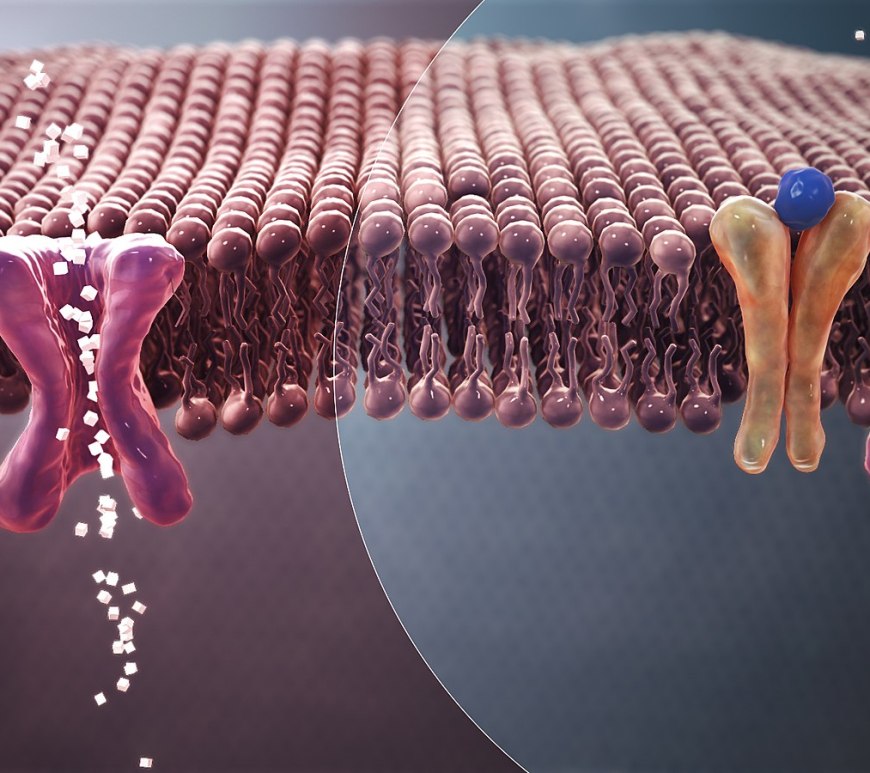
Vignesh Subramanian ’24 Epilepsy is a chronic central nervous system disorder characterized by abnormal neuronal activity in the brain that triggers repeated, spontaneous seizures. Treatment-resistant epilepsy has previously been linked to disruption of the blood-brain barrier (BBB), a semipermeable network of close-packed endothelial (border) cells and capillaries that controls the influx of solutes circulating in the bloodstream into the extracellular fluid of the brain. The … Continue reading Stabilization of BBB Junction Protein Attenuates Epileptic Brain Activity

Music-Based Sensory Therapy Alleviates Symptoms of Anxiety

Vignesh Subramanian ’24 Anxiety disorders are mental health conditions involving excessive nervousness and fear, which are often characterized by distinct phobias, restlessness, and panic attacks. Many conditions spanning the spectrum of anxiety disorders are diagnostically linked to early stressful life events (ELS) in an individual’s development, which compound the stresses of traumatic or rapidly transformational experiences and negatively rewire signaling patterns in key neural pathways. … Continue reading Music-Based Sensory Therapy Alleviates Symptoms of Anxiety

Post-Stroke Neuroplasticity May Alter Artistic Skills Compensation

Vignesh Subramanian ’24 A stroke, or cerebrovascular accident, is a medical emergency in which blood flow to the brain is interrupted or reduced. Strokes are the result of either an ischemic (arterial obstruction) or hemorrhagic (arterial rupture) event and are associated with the arrest of neuronal activity in the brain. However, various regions of the central nervous system (CNS) have demonstrated a capacity for recovering … Continue reading Post-Stroke Neuroplasticity May Alter Artistic Skills Compensation

Anti-Microglial Hyperactivity Drug Action May Block Alzheimer’s Disease Progression

Vignesh Subramanian ’24 Alzheimer’s disease (AD) is a neurodegenerative disorder characterized by progressive loss of memory, critical thinking skills, and behavioral capabilities that typically worsens with age. As the most common form of late-stage dementia, numerous risk alleles – variants of a gene that make a particular disease’s development more likely – have been identified for AD. Prominent among these is the triggering receptor expressed … Continue reading Anti-Microglial Hyperactivity Drug Action May Block Alzheimer’s Disease Progression

Neural Mechanism May Explain Variability of Social Ability in Autism

Vignesh Subramanian ’24 Autism spectrum disorder (ASD) is a neurodevelopmental disorder involving significant challenges with communication, behavior, and social skills. The range of conditions encompassed by the term is most often characterized by limited but intense interests, repetitive patterns of behavior, difficulty maintaining or regulating interactions with other people, and difficulty synchronizing facial expressions or motor movements with speech. It has long been believed that … Continue reading Neural Mechanism May Explain Variability of Social Ability in Autism

The Effect of Electrotherapy on Brains Addicted to Video Games

Ishmam Khan ’25 Although video games may represent a sanctuary from the stresses of daily living, young people, especially teens, are susceptible to becoming addicted to gaming platforms. According to the Diagnostic and Statistical Manual of Mental Disorders, Internet Gaming Disorder (IGD) results in an irresistible compulsion to play video games, which may lead to declining mental health and daily function. Currently, one common technique … Continue reading The Effect of Electrotherapy on Brains Addicted to Video Games