HP1𝛼: How DNA Unwrapping can Support Heterochromatin Maintenance

Author: Sean Krivitsky, Class of 2026 Many have been led to believe that DNA contains all the information we need, but the regulation of the expression of genes encoded in DNA is also incredibly important. This differentiates humans from, for instance, gorillas, which otherwise share more than 98% genetic identity to humans. One level of regulation is at the level of chromatin, which results from … Continue reading HP1𝛼: How DNA Unwrapping can Support Heterochromatin Maintenance

Protein Packaging: How Filamentation Regulates the Activity of a Key Metabolic Enzyme

Author: Sean Krivitsky, Class of 2026 Figure 1. Painting representation of large biological molecules found within the bloodstream, including lipoproteins, which store triglycerides, and antibodies The metabolism of various lipids, such as triglycerides, within the body plays an incredibly important role in providing energy for crucial cells, such as those contained within the heart and other muscles. These metabolic processes are primarily catalyzed by metabolic … Continue reading Protein Packaging: How Filamentation Regulates the Activity of a Key Metabolic Enzyme

AD-Linked Proteins Linked to Cognitive Impairment Following 9/11 WTC Exposure

Vignesh Subramanian ’24 Figure 1: The South Pool of the 9/11 Memorial in New York, New York Alzheimer’s disease (AD) is a neurodegenerative disorder characterized by a progressive loss of memory and cognitive thinking skills that typically worsens with age, and is the leading cause of dementia. Key hallmarks of the disease include buildups of two particular proteins – beta-amyloid peptide and phosphorylated tau – … Continue reading AD-Linked Proteins Linked to Cognitive Impairment Following 9/11 WTC Exposure

PD-Modeling Midbrain Dopamine Loss Diminishes Thalamocortical Signaling

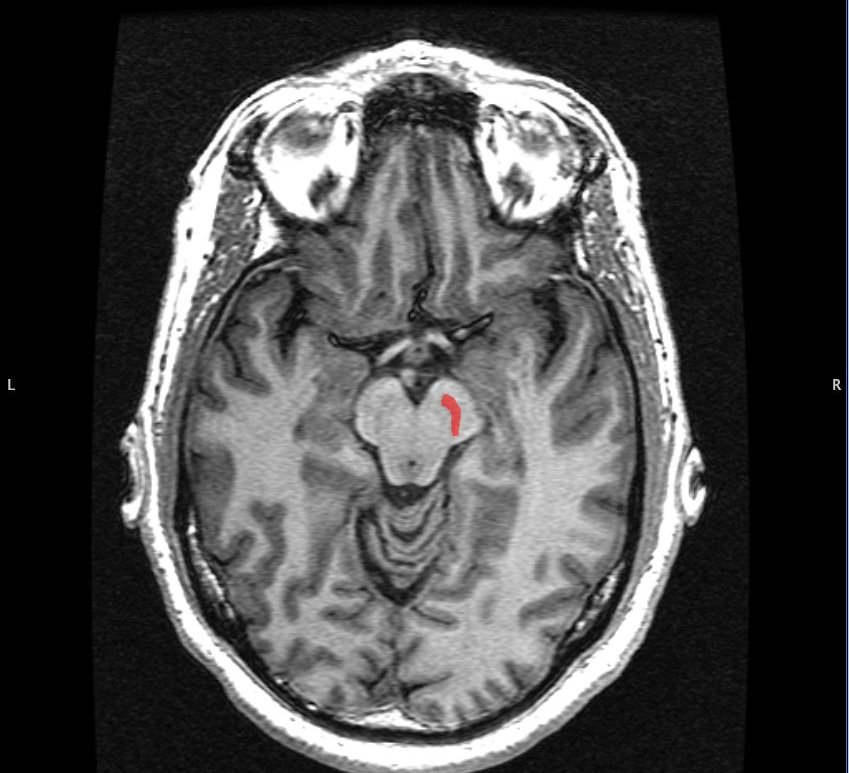
Vignesh Subramanian ’24 Figure 1: The substantia nigra (SN) nucleus in the midbrain. Parkinson’s disease (PD) is an age-related, neurodegenerative movement disorder that causes a progressive loss of motor control. The disease is characterized by a loss of dopaminergic (DA) neurons in the substantia nigra (SN), a midbrain nucleus that modulates movement and reward functions. The SN is one of five subcortical nuclei that make … Continue reading PD-Modeling Midbrain Dopamine Loss Diminishes Thalamocortical Signaling

Radiation-Induced Cognitive Decline Impairs Hippocampal Neurogenesis

Vignesh Subramanian ’24 Figure 1: A radiograph captured by X-ray, which produces ionizing radiation, a form of radiation that poses risks of damage to internal tissue. Ionizing radiation is any radiation traveling in the form of electromagnetic waves or particles with enough energy to knock electrons out of the orbit of atoms. While therapies such as radiotherapy for cancer are intended to emit ionizing radiation … Continue reading Radiation-Induced Cognitive Decline Impairs Hippocampal Neurogenesis