Modeling Marine Turtle Nesting Behavior

By: Kimberly Johnston, Class of 2026 Figure 1: A marine turtle Adult female marine turtles alternate between foraging and nesting phases, with periods of migration in between. Monitoring programs typically obtain data for only part of the nesting season due to a lack of financial support, remote beaches, or a large number of beaches to monitor. To accurately assess population trends, a model must be … Continue reading Modeling Marine Turtle Nesting Behavior

Mature Oligodendrocytes Demonstrate Delayed Cell Death by Alternate Mechanism

By Vignesh Subramanian, Class of 2024 Figure 1: A myelinating oligodendrocyte in a murine brain.  Oligodendrocytes are specialized glial cells in the central nervous system primarily responsible for myelination, the process of ensheathing the axons of neurons in a lipid-rich membrane known as myelin, which insulates the nerve fibers and speeds up the transmission of the action potentials they conduct. Oligodendrocytes are the products of … Continue reading Mature Oligodendrocytes Demonstrate Delayed Cell Death by Alternate Mechanism

Childhood Maltreatment as a Predictor of Neural Activity During Postpartum

Marie Collison, Class of ‘25 Individuals who have experienced childhood maltreatment (CM) in their past have a greater risk of exhibiting behaviors of maltreatment towards their own children. As such, it is important to understand how mothers may respond to their infant cues in context with their past experiences, especially during the often tumultuous postpartum (after-birth) period. Prior research has established that brain responses in … Continue reading Childhood Maltreatment as a Predictor of Neural Activity During Postpartum

Modeling Debris Patterns in the Antarctic to Protect Biodiversity

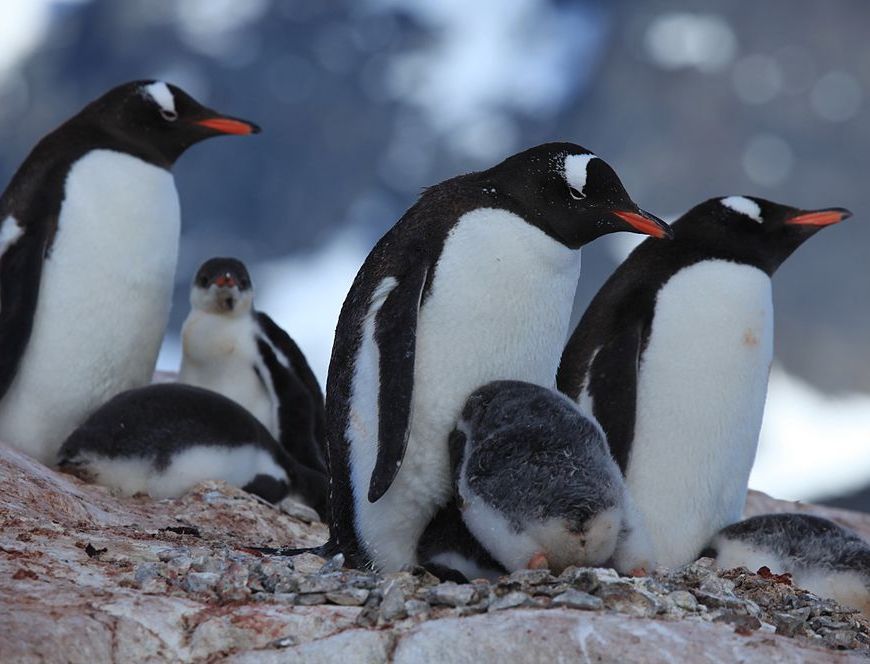
Marie Collison, Class of ‘25 Image 1 Gentoo penguins in Antarctica Marine pollution is a prominent problem in environmental policy and study. Reports of pollution in organisms in the Antarctic are becoming increasingly common, likely due to increasing human activity, growing tourism, and an expanding krill fishing industry. However, the sources of these pollutants along the West Antarctic Peninsula are still poorly understood. There are … Continue reading Modeling Debris Patterns in the Antarctic to Protect Biodiversity