Isolated Antibodies Protect Against Zika in Mice

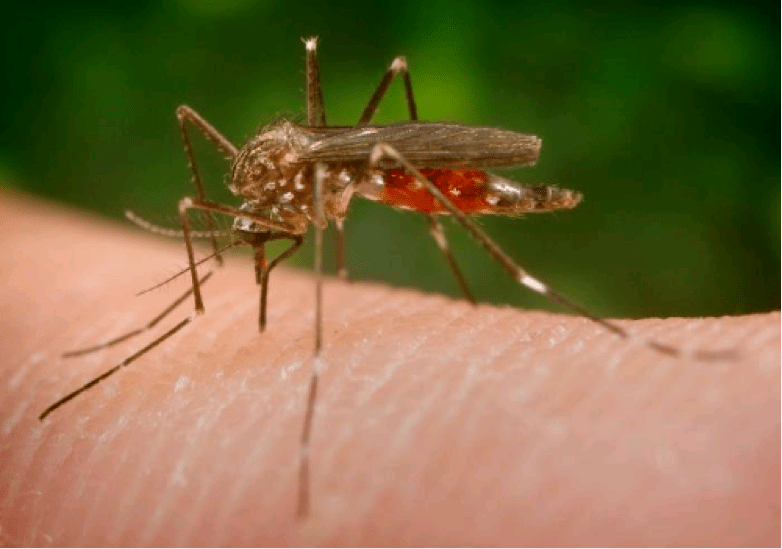
An antibody found in humans might be able to fight the Zika virus which is transmitted through mosquitos. Patrick Yang ‘20 Zika virus’s 2015-2016 outbreak that infected more than 80,000 people gained much attention because of the severe birth defects caused by it. Although Zika is no longer an international public health emergency, treatment and preventative measures must still be developed in anticipation for a … Continue reading Isolated Antibodies Protect Against Zika in Mice

Enzyme in Soil Bacteria Inhibits Biofilm Formation

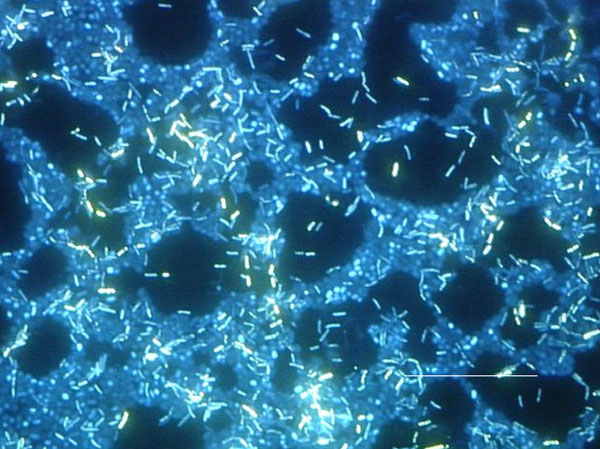
      Patrick Yang ‘20 Pseudomonas aeruginosa is a multidrug resistant bacterium responsible for serious medical illnesses, such as pneumonia, sepsis, and cystic fibrosis. The bacterium produces a metabolite called pyocyanin, which largely contributes towards the pathogen’s toxicity. A recent discovery found that pyocyanin also aids in the aggregation of bacteria to form biofilm. Biofilm, a community of microorganisms that is resistant to conventional … Continue reading Enzyme in Soil Bacteria Inhibits Biofilm Formation

Climate Change Triggers Local Extinctions

    By Patrick Yang ‘20 Average annual temperatures worldwide have reached an approximate 1°C increase since 1880 – a shift hardly noticeable to humans, but a harbinger of biodiversity loss in plants and animals, especially in warmer regions. Past models have predicted 0% to >50% species loss due to future climate change. However, the extent of biodiversity loss is much harder to ascertain because … Continue reading Climate Change Triggers Local Extinctions

Creating a Living Bio-Hybrid System

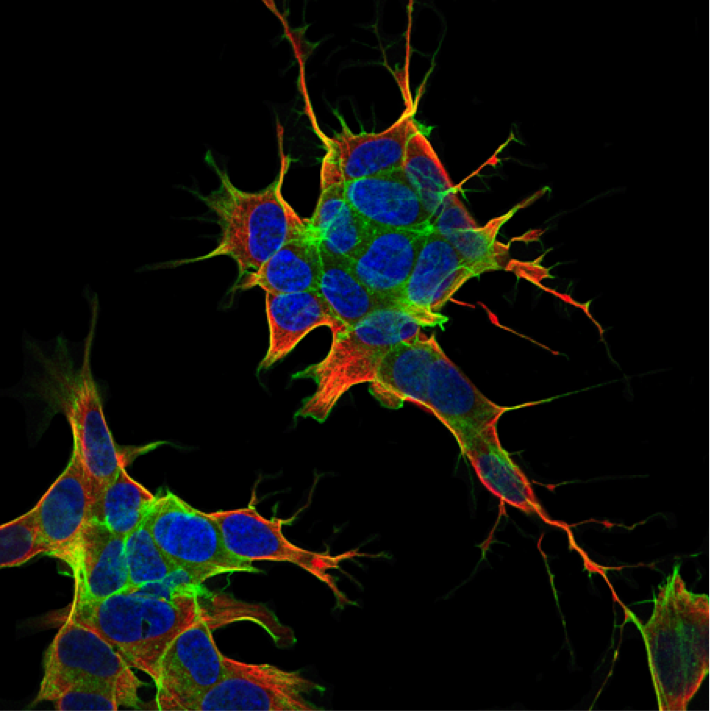
by Rideeta Raquib ’19   Neurons are a remarkable aspect of living organisms that enable electrical signals to travel to the brain and back, this translates to voluntary and involuntary responses. Designing a functional system that could mimic the actions present in the brain has proved to be an obstacle for many researchers. The most tedious aspect of such a design is to model the learning … Continue reading Creating a Living Bio-Hybrid System

NeuroGrids for Minimally Invasive Diagnosis

    By Richard Liang Monitoring the electrophysiological signals in the brain is critical for diagnosing and treating neurological diseases. The closer a sensor is to the neurons, the more accurate and precise the readings of neuronal activity can be. While sub-dural electrodes can be placed on the surface of brain tissue, issues like local tissue damage, hemorrhages, and infections can be detrimental to patient … Continue reading NeuroGrids for Minimally Invasive Diagnosis

Using Nanomaterials for Safer Embolization

An embolism is a blockage in the blood vessel that can potentially by very detrimental if not treated quick enough. By Richard Liang During many medical procedures, the embolization of vascular tissue is necessary to close wounds and seal ruptured blood vessels. However, many embolic agents have complications, such as toxicity, breakthrough bleeding, and extensive streak artifact, which put patients with hemophilia, or clotting issues, … Continue reading Using Nanomaterials for Safer Embolization

The Connection between Weight Gain Patterns and Tuberculosis

Tuberculosis treatment, research has shown, may be related to weight gain among patients By Caleb Sooknanan     Tuberculosis (TB) is an infectious bacterial disease that harms the lungs. One of the most common symptoms of infection among tuberculosis patients is weight loss, with treatments known to incite weight gain and nutritional recovery. Dr. Mimi N. Phan and researchers at Baylor College of Medicine in … Continue reading The Connection between Weight Gain Patterns and Tuberculosis

Identifying Bacteria with MALDI-TOF MS Methods

By Caleb Sooknanan Detecting microbial agents that cause bloodstream infections is a common task in clinical microbiology laboratories. Matrix-assisted laser desorption/ionization time-of-flight mass spectrometry (MALDI-TOF MS) has become one of the most effective bacterial identification methods in recent years, but the corresponding kit for preparing samples is very expensive. This limits the potential use of MALDI-TOF MS in clinical settings. Dr. Shota Yanetani and researchers … Continue reading Identifying Bacteria with MALDI-TOF MS Methods

The Epidemiology and Genetic Diversity of Coxsackievirus A16 in Peru

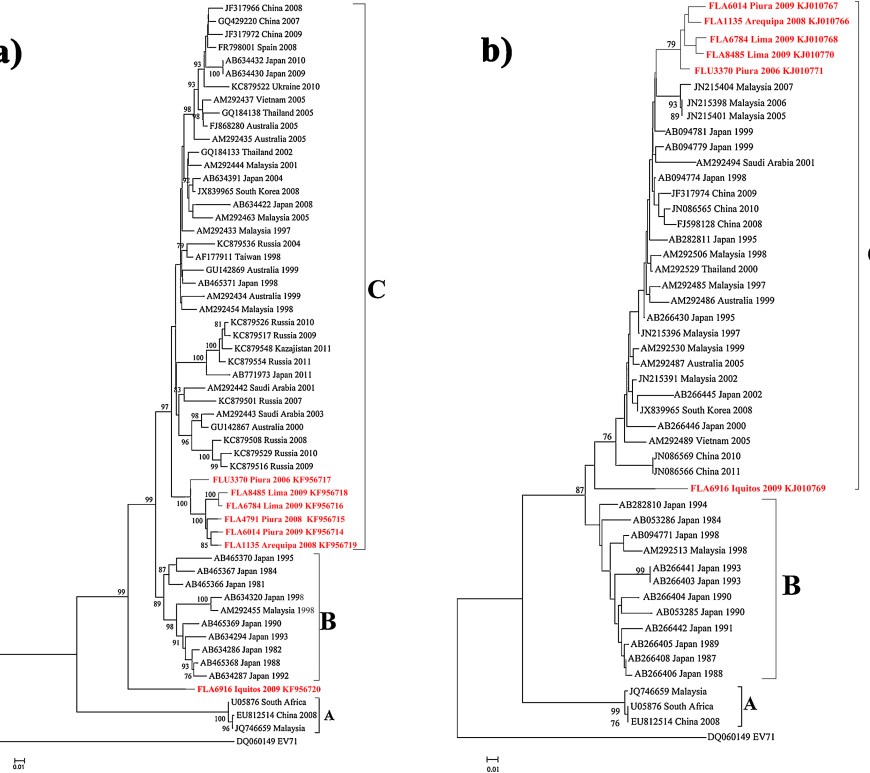
By Caleb Sooknanan These are the most likely trees of coxsackievirus A16 isolates based on the full-length VP1 and VP4 sequences.             Coxsackievirus A16 (CVA16) is an RNA virus that often affects young children and causes rashes and ulcerating blisters. The epidemiology of CVA16 is mostly unknown. Dr. Gladys Carrion and researchers from US Naval Medical Research Unit No. 6 — along with the Peruvian … Continue reading The Epidemiology and Genetic Diversity of Coxsackievirus A16 in Peru

Wearable Patch Increases Tolerance of Peanut Allergens

by Patrick Yang ’20   Consuming a tiny sample of peanuts can induce life-threatening anaphylaxis in a person with peanut allergies. Peanuts are the most prevalent allergens, accounting for approximately 16 percent of the allergies that Americans suffer from. Incidence rates are only rising, according to the American Academy of Allergy, Asthma, & Immunology. Although some children are able to outgrow their allergy, a decisive cure … Continue reading Wearable Patch Increases Tolerance of Peanut Allergens

Rapidly Detecting Wound Bacteria

by Michael D’Agati ’18   Infections caused by wounds are a health concern for many people around the world. If treated incorrectly, these infections can cause major health problems for those affected. Treatments that can reduce the severity of the infections depend on rapid and timely detection of the infection-causing bacteria. In the past decade, previous attempts at creating biosensors for detecting wound bacteria have suffered … Continue reading Rapidly Detecting Wound Bacteria

Phantom Limb Pain Caused by Sensorimotor Cortex Plasticity

by Patrick Yang ’20   Amputation or severe neural damage can trigger phantom limb pain, chronic pain felt in a limb that is no longer present. Phantom pain, which is associated with a burning or hypersensitive sensation, has a wide range of duration – it can be as short as a few minutes or as long as a couple days. According to popular theory, maladaptive plasticity … Continue reading Phantom Limb Pain Caused by Sensorimotor Cortex Plasticity