Biotechnology Breakthrough Targets Flaviviruses

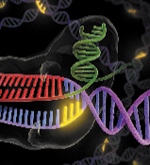
by Aaron Gochman (’18) CRISPR-Cas9, the most recent breakthrough in biotechnology research, allows for specific and precise gene editing. With countless applications, scientists all over the world seek to optimize it for use in treating myriad diseases. This week, a team of American and Chinese researchers used CRISPR-Cas9 to target flaviviruses, a group that includes West Nile, Zika, and Dengue. There are no current effective … Continue reading Biotechnology Breakthrough Targets Flaviviruses

Predictors of Tuberculosis Found in HIV/AIDS Patients

by Jenna Mallon (’18) Although the dangers of tuberculosis (TB) are widely known, many people do not know that a large percent of tuberculosis patients are also HIV positive. This issue is especially prevalent in Africa, Ethiopia specifically, where TB has been a large public health issue for over fifty years. This large health epidemic prompted Mulugeta Dalbo of the Arba Minch Health Science College … Continue reading Predictors of Tuberculosis Found in HIV/AIDS Patients

The Role of Social Stress in Cocaine Addiction

by Aaron Gochman (’18) This week, scientists from the University of Texas at Austin contributed a novel idea to addiction research. Focusing on glutamatergic synaptic transmission, the primary mode of excitatory signaling in the central nervous system, the group hypothesized that social stress would lead to increased vulnerability to cocaine addiction. Specifically, the ventral tegmental area (VTA) of the brain, a prime location for dopamine … Continue reading The Role of Social Stress in Cocaine Addiction

A Step Toward Synthetic Cognition and Artificial Organs

by Aaron Gochman (’18) A team of researchers from Harvard, Stanford, and Sogang University in South Korea made headlines this week with a discovery that captures the future of bioengineering. Living cardiac muscle cells were taken from rats and printed onto a robot shaped like a sting ray. The cells were engineered to express proteins that activate in response to light; when activated, the cells … Continue reading A Step Toward Synthetic Cognition and Artificial Organs

The Relationship Between Thigh Muscle Volume and Functional Performance in Older Women

by Lillian Pao (’18) Sarcopenia, a stage in a person’s life during which they begin to lose muscle mass and function, commonly affects men and women above the age of 60. Muscles are often associated with strength, function, and power. However, the association amongst all of these characteristics is understudied.  Dr. Ulrich Lindemann of Germany decided to investigate the association between thigh muscle volume and … Continue reading The Relationship Between Thigh Muscle Volume and Functional Performance in Older Women

Predestination and the Influence of Religion on Science

by Lillian Pao (’18) Despite the contradictions science and religion have with one another, Jewish, Christian, and Muslim beliefs have recently been able influence current interpretations in biology. One of these interpretations concern the evolution of cave fauna.  Several people believe that “biochemical predestination”, a higher power or strict law that governs the phenomena in nature on our earth, and possibly beyond, exists. Professor Aldemaro … Continue reading Predestination and the Influence of Religion on Science

A Possible Link Between Childhood Obesity and Intellectual Disorders

by Julia Newman (’19) According to a study recently published in the Disability and Health Journal, children with an intellectual disability (ID) are nearly twice as likely to develop obesity as those without ID. The researchers recorded weekly behaviors of children aged ten to seventeen years old, such as the frequency of family meals and exercise. The results displayed that children with ID ate consistent … Continue reading A Possible Link Between Childhood Obesity and Intellectual Disorders

The Factors That Impact a Dog’s Attention Span

by Julia Newman (’19) Researchers at the University of Padua in Italy conducted a study on attention spans in dogs and ended up discovering that both the level of training and sex of the dog impact this length of time. A total of sixty-four dogs of various levels of training were put through multiple tests in order to record data on the length of their … Continue reading The Factors That Impact a Dog’s Attention Span

Restoring Function after Traumatic Brain Injuries

by Julia Newman (’19) Although there is currently no successful treatment for traumatic brain injuries, researchers at the University of California recently tested a new and promising method using human neural stem cells (hNSC), which have been found to be multipotent. Experiments in the past were performed solely on rats using immunosuppressant drugs in order to prevent transplant rejection, but this study found it more … Continue reading Restoring Function after Traumatic Brain Injuries

Mitochondria: Selective protein degradation ensures cellular longevity

by Aaron Gochman (’18) Mitochondria are known as the “powerhouse of the cell.” They provide energy and regulate important biological processes to ensure healthy metabolism and proper cellular function. Hence when mitochondrial dysfunction occurs, the cell is at great risk. A pair of researchers from University of Gothenburg in Sweden have characterized a pathway in which harmful mitochondrial proteins can be degraded without affecting normal … Continue reading Mitochondria: Selective protein degradation ensures cellular longevity

Chronic Fatigue Syndrome May Just Be a Case of Persistent Burnout

by Jenna Mallon (’18) Chronic Fatigue Syndrome (CFS) affects .0007 to 2.8% of the adult population and can be highly debilitating. Unfortunately, its etiology is unknown. The two current theories, the cognitive behavioral theory and the viral theory, do not fully explain the occurrence of certain symptoms of the syndrome. Current research focuses on dysfunction in the hypothalamic-pituitary-adrenal (HPA) axis, which can lead to hypocortisolism … Continue reading Chronic Fatigue Syndrome May Just Be a Case of Persistent Burnout

Complexin induces a conformational change of the SNARE complex

by Aaron Gochman (’18) Intercellular communication in the central nervous system occurs at a synapse, the gap between two neurons. The presynaptic neuron releases a chemical messenger known as a neurotransmitter, which diffuses across the synapse and relays the signal to the postsynaptic cell. The process of releasing the neurotransmitter from the presynaptic cell is quite complicated. The mechanism includes packing the neurotransmitter inside a … Continue reading Complexin induces a conformational change of the SNARE complex