Enhanced mRNA Gene Therapy for Critical Limb Ischemia

Jorge Pincay ‘20 Critical limb ischemia (CLI) is a cardiovascular condition characterized by severely narrowed arteries resulting from the buildup of plaque. This narrowing of the arteries  significantly reduces blood flow to the hands, feet, and legs and may lead to amputation of the affected limbs. Most patients suffering from CLI need to undergo some form of a revascularization procedure in order to combat this … Continue reading Enhanced mRNA Gene Therapy for Critical Limb Ischemia

Glutamate Receptor GLR-3 Encodes for Evolutionary Cold-Sensing Receptor

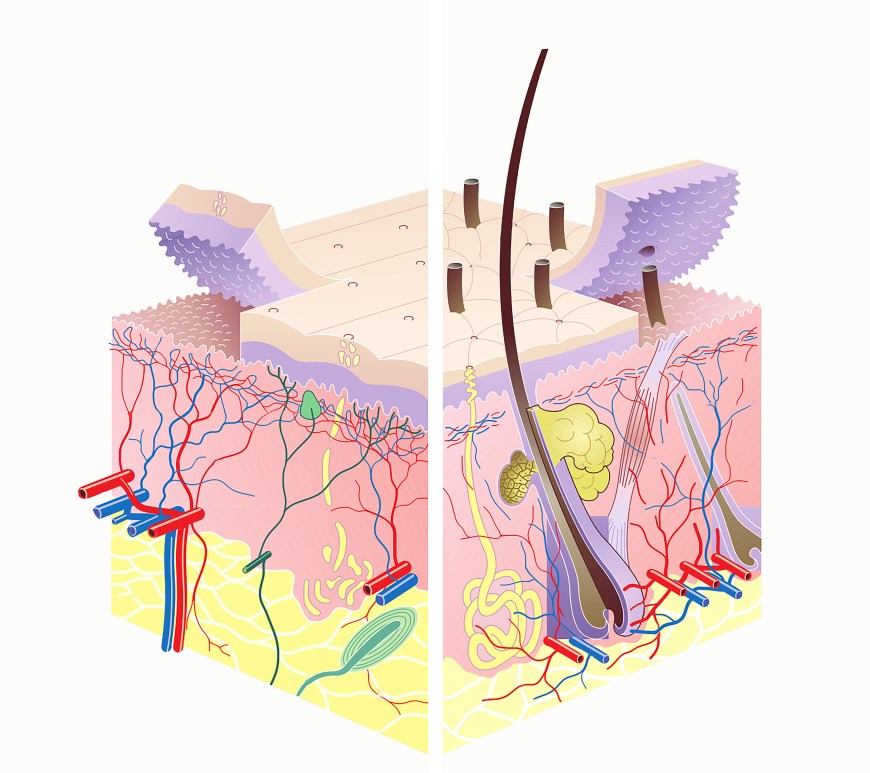
Simran Kaur ’20 The capacity to detect cold temperatures is essential for many living organisms because cold temperatures can cause detrimental effects like severe soft-tissue damage and hypothermia. Some organisms have evolved the presence of thermoreceptors, which are specific nerve endings that are sensitive to changes in temperature and exist in the skin, skeletal muscle, and the hypothalamus. Thermoreceptors relay electrical signals to the central … Continue reading Glutamate Receptor GLR-3 Encodes for Evolutionary Cold-Sensing Receptor

Role of Mitochondrial Gene TFAM in The Progression of Renal Disease

Simran Kaur ‘20 Kidney fibrosis, the accumulation of excess tissue, is the last pathway in end-stage renal failure. Examination of kidneys afflicted with renal disease in both animal and human models has shown a defect in the function of mitochondria. Mitochondria are responsible for the production of energy (ATP) in the cell, funding the processes of toxic waste removal from the blood and the regulation … Continue reading Role of Mitochondrial Gene TFAM in The Progression of Renal Disease

HIV Successfully Removed from Animal Genomes

Ellie Teng ‘21 The human immunodeficiency virus type one (HIV-1) is responsible for infecting millions worldwide. Currently, antiretroviral therapy (ART) is being used to slow HIV progression; however, as soon as this treatment is stopped, HIV-1 is reactivated and progresses to acquired immunodeficiency syndrome (AIDS). The reactivation of HIV-1 following the cessation of ART is as a result of the virus’ ability to integrate its … Continue reading HIV Successfully Removed from Animal Genomes

Reductions in Complete Rat Serum Yields Promising Results in Whole Embryo Culture

Nomrota Majumder ‘21 Whole Embryo Culture (WEC) came about in the 1950s as a way to observe patterns in mammalian development, investigate birth defects, and analyze explanted organogenesis-stage rodent embryos. Since then, it has been a very treasured technique in biological research methods. Since WEC is conducted in vitro, a serum properly suited for an embryo is crucial to the process, and ever since its … Continue reading Reductions in Complete Rat Serum Yields Promising Results in Whole Embryo Culture

Invasion of the Gboxins: Inhibiting the Proliferation of Glioblastoma Cells

By Riya Gandhi ‘22 The aggressive proliferation of glioblastoma cells is characteristic of glioblastoma multiforme (GBM), a fatal cancer of the brain. As much as treatments may help, patients with this cancer typically relapse. Furthermore, radiotherapy and chemotherapy unintentionally target and poison normal proliferating cells, thereby harming the wellbeing of the patients. However, under principle investigator Dr. Yufeng Shi, researchers at the Cancer Biology & … Continue reading Invasion of the Gboxins: Inhibiting the Proliferation of Glioblastoma Cells

Metabolic Reactions Activated During 58-hour Fasting

By Ellie Teng ‘21 Fasting is an ancient component in numerous religions and cultures. Individuals seeking weight loss often practice fasting, making it a prominent topic in the nutrition field. A team of scientists from the Okinawa Institute of Science and Technology Graduate University and Kyoto University recently found that fasting comes with innumerable health benefits. Blood samples from four healthy individuals who fasted for … Continue reading Metabolic Reactions Activated During 58-hour Fasting

BH4’s Role in T- Cell Proliferation in Autoimmunity and Cancer

By Allan Mai ‘20 BH4 is an important regulator of many bodily functions. Among its most important functions are its involvement in the production of monoamine neurotransmitters, its generation of nitric oxide, and its role in pain. However, Shane Cronin and his team recently uncovered another important function of this cofactor: proliferation of T cells, which are an integral part of the immune response. Inhibitions … Continue reading BH4’s Role in T- Cell Proliferation in Autoimmunity and Cancer

Inducing Leukemia Cell Death Through the Inhibition of Amino Acids

By Riya Gandhi ‘22 Thanks to chemotherapy, acute myeloid leukemia (AML) is not the most fatal kind of cancer. However, the same chemotherapy that treats the disease may also revitalize leukemia stem cell populations, thereby increasing the probability of relapse. As such, scientists are still actively researching alternative treatments and cures. Most recently, researchers looked into the importance of amino acids for preventing the growth … Continue reading Inducing Leukemia Cell Death Through the Inhibition of Amino Acids

Expression of Transcription Factor TP63 Reprograms Squamous Pancreatic Ductal Adenocarcinoma Cells

By Riya Gandhi ‘22 Although pancreatic cancer is not the most common type of cancer, the prognosis for those diagnosed with the disease is very poor. Much like any other cancer, pancreatic cancer develops when cells in the organ multiply at an uncontrollable rate. Pancreatic ductal adenocarcinoma (PDA), the most common type of pancreatic cancer, garnered the attention of researchers at Cold Spring Harbor Laboratory … Continue reading Expression of Transcription Factor TP63 Reprograms Squamous Pancreatic Ductal Adenocarcinoma Cells

Inducing Tumor Cell Death by RIG-I: The Future of Breast Cancer?

By Riya Gandhi ‘22 In recent years cancer therapy – especially cancer immunotherapy – has gained momentum and scientists’ interest has turned to immune checkpoint inhibitors (ICIs). ICIs aid in the suppression of checkpoint receptors to produce powerful immune responses against tumors. Although such a procedure is gaining momentum in clinical settings, much research must be done to legitimize this treatment for breast cancer. Under … Continue reading Inducing Tumor Cell Death by RIG-I: The Future of Breast Cancer?

Investigating the Link Between Cancer Cells and Embryonic Cells to Treat Cancer

By Snigdha Kanadibhotla ‘21 Fundamentally rooted in a lack of cell cycle control, cancer is predicted to affect 38.4% of Americans within their lifetimes (1). While most healthy cells are regulated by three cell cycle checkpoints, cancerous cells can bypass these regulatory systems, which leads to uncontrolled division and metastasis (the spread of cancer through the body). Considered to be a unique characteristic of cancer, … Continue reading Investigating the Link Between Cancer Cells and Embryonic Cells to Treat Cancer