Invasion of the Gboxins: Inhibiting the Proliferation of Glioblastoma Cells

By Riya Gandhi ‘22 The aggressive proliferation of glioblastoma cells is characteristic of glioblastoma multiforme (GBM), a fatal cancer of the brain. As much as treatments may help, patients with this cancer typically relapse. Furthermore, radiotherapy and chemotherapy unintentionally target and poison normal proliferating cells, thereby harming the wellbeing of the patients. However, under principle investigator Dr. Yufeng Shi, researchers at the Cancer Biology & … Continue reading Invasion of the Gboxins: Inhibiting the Proliferation of Glioblastoma Cells


Metabolic Reactions Activated During 58-hour Fasting

By Ellie Teng ‘21 Fasting is an ancient component in numerous religions and cultures. Individuals seeking weight loss often practice fasting, making it a prominent topic in the nutrition field. A team of scientists from the Okinawa Institute of Science and Technology Graduate University and Kyoto University recently found that fasting comes with innumerable health benefits. Blood samples from four healthy individuals who fasted for … Continue reading Metabolic Reactions Activated During 58-hour Fasting

BH4’s Role in T- Cell Proliferation in Autoimmunity and Cancer

By Allan Mai ‘20 BH4 is an important regulator of many bodily functions. Among its most important functions are its involvement in the production of monoamine neurotransmitters, its generation of nitric oxide, and its role in pain. However, Shane Cronin and his team recently uncovered another important function of this cofactor: proliferation of T cells, which are an integral part of the immune response. Inhibitions … Continue reading BH4’s Role in T- Cell Proliferation in Autoimmunity and Cancer

Inducing Leukemia Cell Death Through the Inhibition of Amino Acids

By Riya Gandhi ‘22 Thanks to chemotherapy, acute myeloid leukemia (AML) is not the most fatal kind of cancer. However, the same chemotherapy that treats the disease may also revitalize leukemia stem cell populations, thereby increasing the probability of relapse. As such, scientists are still actively researching alternative treatments and cures. Most recently, researchers looked into the importance of amino acids for preventing the growth … Continue reading Inducing Leukemia Cell Death Through the Inhibition of Amino Acids

Expression of Transcription Factor TP63 Reprograms Squamous Pancreatic Ductal Adenocarcinoma Cells

By Riya Gandhi ‘22 Although pancreatic cancer is not the most common type of cancer, the prognosis for those diagnosed with the disease is very poor. Much like any other cancer, pancreatic cancer develops when cells in the organ multiply at an uncontrollable rate. Pancreatic ductal adenocarcinoma (PDA), the most common type of pancreatic cancer, garnered the attention of researchers at Cold Spring Harbor Laboratory … Continue reading Expression of Transcription Factor TP63 Reprograms Squamous Pancreatic Ductal Adenocarcinoma Cells

Inducing Tumor Cell Death by RIG-I: The Future of Breast Cancer?

By Riya Gandhi ‘22 In recent years cancer therapy – especially cancer immunotherapy – has gained momentum and scientists’ interest has turned to immune checkpoint inhibitors (ICIs). ICIs aid in the suppression of checkpoint receptors to produce powerful immune responses against tumors. Although such a procedure is gaining momentum in clinical settings, much research must be done to legitimize this treatment for breast cancer. Under … Continue reading Inducing Tumor Cell Death by RIG-I: The Future of Breast Cancer?

Investigating the Link Between Cancer Cells and Embryonic Cells to Treat Cancer

By Snigdha Kanadibhotla ‘21 Fundamentally rooted in a lack of cell cycle control, cancer is predicted to affect 38.4% of Americans within their lifetimes (1). While most healthy cells are regulated by three cell cycle checkpoints, cancerous cells can bypass these regulatory systems, which leads to uncontrolled division and metastasis (the spread of cancer through the body). Considered to be a unique characteristic of cancer, … Continue reading Investigating the Link Between Cancer Cells and Embryonic Cells to Treat Cancer

Eradicating Subpopulations of Melanoma-Initiating Cells Using Nifuroxazide

By Riya Gandhi ‘22 In an age in which cancer is the second leading cause of death worldwide, scientists are seeking to discover and develop novel treatments for the disease. Sometimes, although rarely, the answer is just at their fingertips. In a recent study, a team of researchers from the University of Edinburgh sought to understand the mechanism by which 5-nitrofuran antibiotics, also known as … Continue reading Eradicating Subpopulations of Melanoma-Initiating Cells Using Nifuroxazide

From Colon Cancer Cells to Cancer Stem Cells: The Value of Reprogramming Cells

By Riya Gandhi ‘22 The location of cancer stem cells in tumors has opened the door to the development of a variety of therapeutic applications. These cells are the future of oncology, and scientists still have much to uncover regarding their various uses in medical treatment. While cancer stem cells are treasure chests of opportunity and have wide scientific application, they are difficult to obtain. … Continue reading From Colon Cancer Cells to Cancer Stem Cells: The Value of Reprogramming Cells

In Situ Administration of Cytokine Combinations Could Be the Future of Immunotherapy

By Riya Gandhi ‘22 Rather than look outwards for new cancer treatments, scientists are beginning to look inwards – that is, inside the human body – for advanced therapeutic treatments. Although the use of cytokines, biomolecules that direct an immune response,in cancer therapy has been attempted for decades, there is still room for much improvement. In a recent study on cytokines, researchers under the guidance … Continue reading In Situ Administration of Cytokine Combinations Could Be the Future of Immunotherapy

Figure 1. Scientists from UCLA controlled expression of genes Drp1 and Atg1 in fruit flies to promote breakdown and removal of damaged mitochondria.

Controlling Mitochondria to Stop the Clocks

By Meghan Bialt-DeCelie ’19 The respiratory function of the mitochondrion, the energy producing organelle found in the cell, can decline over time. This is because of how the mitochondrion enlarge and assume a more elongated shape. Typically, that mitochondrion will eventually break down and get removed processes called mitochondrial fission and mitophagy respectively. Accumulation of the ineffective mitochondria and inability to remove them are major … Continue reading Controlling Mitochondria to Stop the Clocks

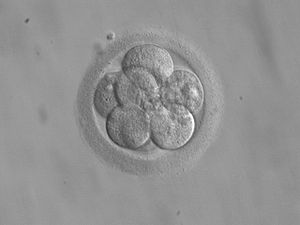
Figure 1. Close interaction between embryonic trophoblast stem cells and embryonic stem cells resembles natural embryo development.

Scientists Create First Ever Artificial Embryo

By Patrick Yang ’20   Embryo development has been a very limited and sanctioned field of research due to concern for the pregnant mother. Although safety is a priority for live subjects, research in this area could improve understanding of optimal prenatal conditions, as well as the molecular interactions between embryonic stem cells. Researchers have thus entertained the idea of an artificial embryo because it … Continue reading Scientists Create First Ever Artificial Embryo