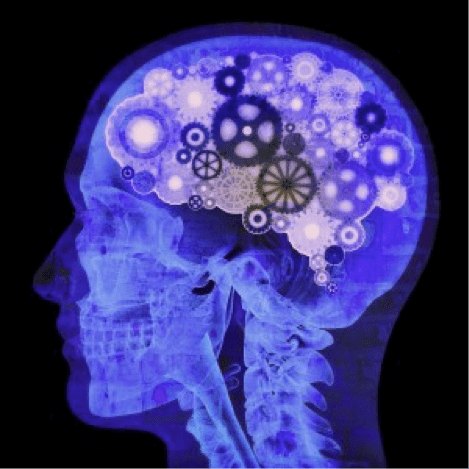
Figure 1: Normally treated with therapy, new medicinal treatments for PTSD are showing to be effective, giving hope to sufferers of a relentless disorder.

Efficacy of Quetiapine Monotherapy in Posttraumatic Stress Disorder: A Randomized, Placebo-Controlled Trial


Ericka Berman Posttraumatic Stress Disorder (PTSD) is a debilitating illness affecting approximately 7.8% of people in the U.S. over the course of their lifetime. As of now, two medications are approved in the U.S. to treat PTSD, but both treatments have limited success. Characteristics of the antipsychotic medication quetiapine suggest it may be helpful in treating PTSD symptoms of re-experiencing trauma and hyperarousal. Dr. Gerardo … Continue reading Efficacy of Quetiapine Monotherapy in Posttraumatic Stress Disorder: A Randomized, Placebo-Controlled Trial

Figure 1. Understanding how weather and seasonal changes affects an individual's mood may help us better understand and improve travel satisfaction.

Will Weather Affect Traveling Mood?

By Eshani Goradia ’19   Most of us have felt rejuvenated or suppressed by the weather at some point in our lives. However, we probably haven’t taken the time to see and record how the weather is actually affecting our behavior. Although many studies in the past investigated the association between season and mood, scientists have not delved into how weather and seasons influence satisfaction … Continue reading Will Weather Affect Traveling Mood?

Creating Birds of Similar Feathers: Leveraging Similarity to Improve Teacher-Student Relationships and Academic Achievement

By Ericka Berman   Having thriving student-teacher relationships (TSR) is important in academic success. In studying the improvement of TSR, schooling, positive youth development, and social motivation are of great interest to researchers. Dr. Hunter Gehlbach and his team of researchers carried out this study using a sample of 315 ninth graders and 25 teachers from a high school in the southwestern United States. Students were … Continue reading Creating Birds of Similar Feathers: Leveraging Similarity to Improve Teacher-Student Relationships and Academic Achievement

Using Positive Image Training to Regain Happiness

By Rideeta Raquib ’19 Emotion-related imagery training is a powerful tool for psychotherapy. Mental imagery can stimulate behavioral and physiological systems more effectively than verbal or informative stimulations. Imagery is less effective on patients diagnosed with generalized anxiety (GAD) because of the tendency to associate bright images with negative occurrences rather than generating positive images. Dr. Svetla Velikova and her team of researchers conducted a … Continue reading Using Positive Image Training to Regain Happiness

Figure 1. Children from the age of six already think that men are smarter than women

Are Men Smarter than Women?

By Megan Tan ‘19 Gender stereotypes commonly associate intellectual brilliance with men. These stereotypes explain the gender imbalances in fields typically associated with brilliance, like physics and mathematics. Lin Bian, a graduate student from the University of Illinois, set out to find the origin of this stereotype. It was found that by the age of six, girls are less likely to associate their gender with … Continue reading Are Men Smarter than Women?

Psychopaths May Have Lower than Average Intelligence

by Megan Tan ’19 It is questionable whether psychopaths have a higher or lower IQ than the average human. Previous researchers have investigated the relationship between psychopathy and IQ because there are links to antisocial behavior, violence, and criminal involvement. However, the results have been inconsistent: some studies have demonstrated a negative relationship between the two, whereas others have demonstrated a positive one. To clarify … Continue reading Psychopaths May Have Lower than Average Intelligence

Having Older Siblings May Change Symptoms of Autism

By Amanda Ng ’17 Children of all ages, regardless of their development, are affected by their relationships with their siblings. This is also true of children with autism, a life-long disorder that causes social deficits. Although autism can cause children to have trouble interacting in social settings, some previous research has suggested that having siblings can increase their social communication skills, causing them to act … Continue reading Having Older Siblings May Change Symptoms of Autism

Authenticity is Key for Successful Relationships

By Amanda Ng ’17 Past research has been consistent in acknowledging the importance of open communication in relationships. However, it is often debated whether self-expression must be authentic to benefit the relationship, or whether a perception of authenticity is enough. Research in this field has shown that authenticity is positively linked with attachment security and caregiving responsiveness. However, this work has depended largely on an … Continue reading Authenticity is Key for Successful Relationships

Erasing Fear via Reconditioning of the Brain

by Rideeta Raquib ’19 Fear is an unpleasant emotion that can cause someone to be afraid. Although a small amount of fear has been evolutionarily helpful to organisms for preventing predation, too much fear can be mentally harmful. In fact, phobias and post-traumatic stress disorders can negatively impact the daily lives of many people. A study conducted by neuroscientists from the University of Cambridge, Japan, and … Continue reading Erasing Fear via Reconditioning of the Brain

Caffeine May Protect Against Cognitive Impairments and Dementia

by Patrick Yang   The United States has the highest caffeine consumption in the world. In the U.S. alone, 54% of adults consume caffeine every day. Although caffeine does a fine job in keeping consumers alert, caffeine’s curative powers may go beyond just remedying morning grumpiness. According to animal studies, there is an inverse correlation between caffeine consumption and cognitive impairment and dementia. Although literature … Continue reading Caffeine May Protect Against Cognitive Impairments and Dementia

Hormonal Birth Control May Lead to Depression

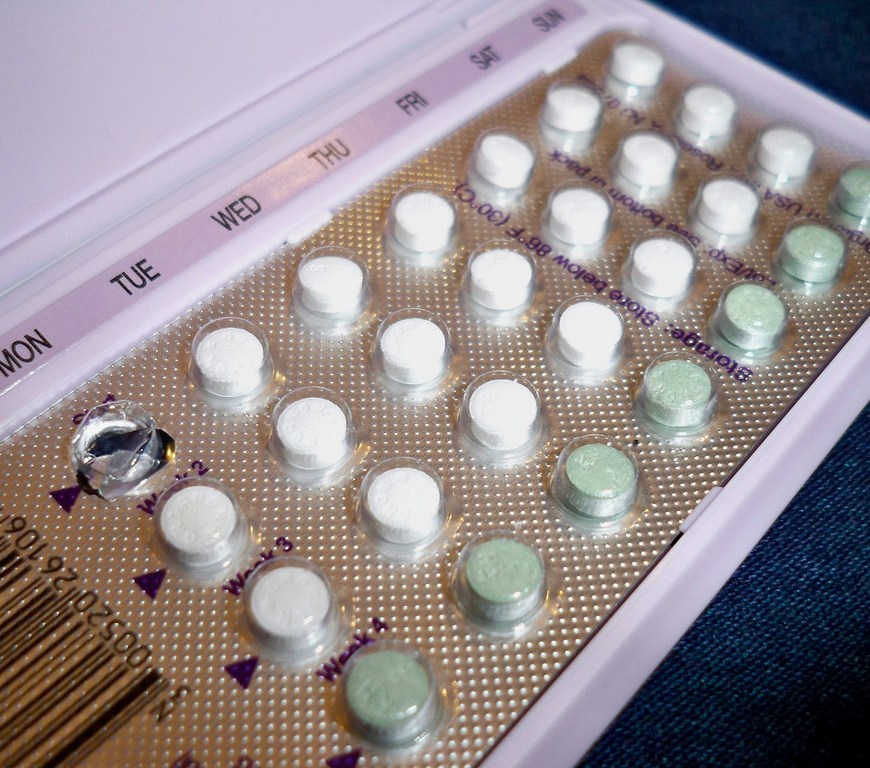
by Patrick Yang   Approximately 62% of women aged 14-44 in the U.S. are using a method of contraception, and 27% of those women are using hormonal contraception, according to a National Health Statistics report. The key to hormonal contraception’s mass appeal lies in its convenience and reversibility; it can be found in pill or patch form and does not have permanent effects. However, the estrogen … Continue reading Hormonal Birth Control May Lead to Depression

‘Super-agers’ Retain Youthful Memories

  By Jalwa Alfroz As humans age, it is normal for cognitive skills, such as memory, to decline. However, some people seem to escape this fate, and are subsequently categorized as super-agers. Investigators at the Harvard-affiliated Massachusetts General Hospital, led by Dr. Bradford Dickerson, revealed that certain areas of the brains of older adults with extraordinary memory performance looked similar to those of young adults. Previously, … Continue reading ‘Super-agers’ Retain Youthful Memories