Exploiting Replication Fork and Checkpoint Mechanisms: ATR Signaling and Checkpoint Inhibitors Unveil New Avenues for Targeting Cancer Replication Stress

Justin Lim ’26 Figure 1: Breast cancer cells (1).jpg Cancer, a group of diseases characterized by uncontrolled and abnormal cell growth, is generally recognized by its genomic instability built up by bypassing important biological checkpoints. These checkpoints are scattered throughout a cell’s growth period to limit the amount of DNA replication errors and other deleterious mutations during cell division. Due to the evasion of growth … Continue reading Exploiting Replication Fork and Checkpoint Mechanisms: ATR Signaling and Checkpoint Inhibitors Unveil New Avenues for Targeting Cancer Replication Stress
Exciting New Approach to Targeting the Mitochondria to Fight Cancer

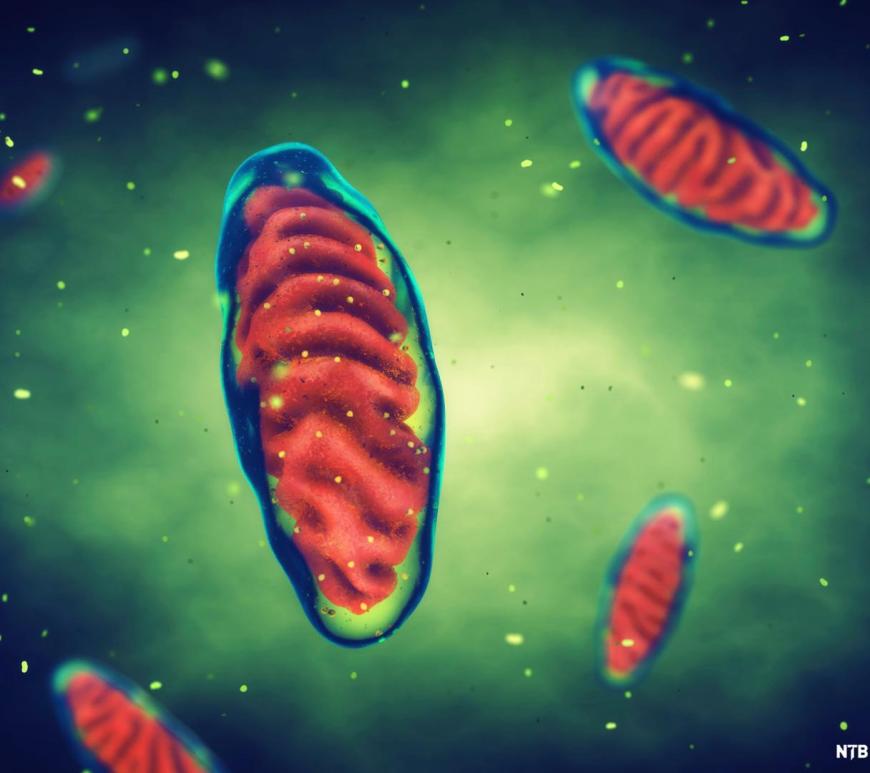
Sean Krivitsky ‘27 Figure 1. Visualization of the mitochondria Unbeknownst to many, the mitochondria plays a significant role in carcinogenesis given the importance of metabolic processes in the formation and maintenance of tumors. CPI-613, more commonly known as devimistat, is a recently developed drug that targets a key metabolic cycle that takes place in the mitochondria of cancer cells, the tricarboxylic acid (TCA) cycle. The … Continue reading Exciting New Approach to Targeting the Mitochondria to Fight Cancer

Predicting the Future: The Prognostic Value of Tumor Budding and Microenvironment in Colon Cancer

Peter Gillespie ’25 Can the success of cancer treatment be predicted before treatment begins? Findings from Dr. Wen and his colleagues at Stony Brook Medicine suggest that certain characteristics of the tumor and the microenvironment can predict the success of treatment in colon cancer patients. Dr. Wen and colleagues investigated the prognostic ability of intratumoral budding, which is the presence of one or a few … Continue reading Predicting the Future: The Prognostic Value of Tumor Budding and Microenvironment in Colon Cancer

What’s better: negative-pressure wound therapy or standard surgical dressings?

By Shahzadi Adeena, Class of 2025 Figure 1: Health professional holding rolled out gauze Doctors seek to improve post-operative care, as it is a critical aspect of surgery that determines success or infection. Following a surgical procedure, it is routine to apply standard surgical dressings (SSDs) on patients to promote healing and prevent infection. Modern surgical dressings are usually gauze dressings made of cotton, rayon, … Continue reading What’s better: negative-pressure wound therapy or standard surgical dressings?

Increased Movement of Cancer Cells in Fluids of High Viscosity Hints at Possible Control Mechanism

Sooraj Shah ’24 With more than 1.9 million individuals in the US being diagnosed with cancer each year, research revolving around the behavior of cancer cells is an important aspect of the search for better treatments. The study of cancer cells in biological assays within a lab has led to great research regarding the structure, motion, and activity of cancer cells in-vitro. A specific part … Continue reading Increased Movement of Cancer Cells in Fluids of High Viscosity Hints at Possible Control Mechanism

Investigating the Metabolism of Cancer

Julia Chivu ’24 A new drug has been developed to target the metabolism of cancer. Associate Professor Paul M. Bingham and Research Assistant Professor Zuzana Zachar from Stony Brook University developed a unique class of anticancer drugs–including the first-in-class and FDA-approved drug CPI-613. A first-in-class drug produces new treatment options or outcomes by exploring an unprecedented mechanism of action. CPI-613, also referred to as devimistat, … Continue reading Investigating the Metabolism of Cancer

A New Treatment Can Reprogram Macrophages to Kill Cancer Cells

Yukta Kulkarni ’22 Cancer is a disease in which there is uncontrollable cell growth in any part of the body. The migration of the cancer cells from the origin to other parts of the body is called metastasis, causing malignant tumors. Cancerous cells can be aided by other cells found in tissues such as tumor-associated macrophages (TAMS) that stimulate tumor growth, prompt metastasis, and promote … Continue reading A New Treatment Can Reprogram Macrophages to Kill Cancer Cells

Onions and Garlic May Help Reduce Stomach Cancer Risk

Zhifei Zeng ’23 Stomach cancer, or gastric cancer, is the fourth leading cause of cancer deaths worldwide, and dietary habits play an important role in the development of this cancer. For example, heavy alcohol consumption or high consumption of salt-preserved foods increases the risk of stomach cancer, while diets rich in fruits or vegetables decrease the risk. However, the specific types of vegetables that are … Continue reading Onions and Garlic May Help Reduce Stomach Cancer Risk

An Enzyme-Activating Protein may be a Switch for Invasive Cancer

Zhifei Zeng ’23 Many breast cancer (BC) patients suffer from complications of metastatic disease. In order to form metastasis, cancer cells must switch from a proliferative to an invasive state and overcome several physical barriers to reach another site. Interestingly, increased invasiveness of the tumor is accompanied by a decrease in its cell proliferation capacity. For breast cancer, some proteins may help this proliferative-to-invasive switch … Continue reading An Enzyme-Activating Protein may be a Switch for Invasive Cancer

The Ketogenic Diet’s Effects on Cancer Patients

Thumyat Noe ’23 Researchers determined that diet plays a crucial role in increasing or decreasing the risk of cancer. For instance, previous studies show that high levels of insulin and glucose in the blood can increase the risk of colorectal cancer. Therefore, cancer researchers are interested in developing diets that can improve the well-being and prognosis of cancer patients. A ketogenic diet, which consists of … Continue reading The Ketogenic Diet’s Effects on Cancer Patients

Novel Method Helps Reveal Prognosis of Non-Small Cell Lung Cancer

Gaurav Sharma ’22 For the past couple of years, lung cancer has been responsible for the most cancer-related deaths in the general population. One variation of lung cancer is non-small cell lung cancer (NSCLC) which constitutes more than 80% of tumor growths originating in the lungs. NSCLC can be treated but 40% of patients have a recurrence of NSCLC highlighting the critical need for a … Continue reading Novel Method Helps Reveal Prognosis of Non-Small Cell Lung Cancer

Trispecific Antibodies in Anticancer Immunotherapy

Ashley Goland ’23 Immunotherapy is a form of cancer treatment that utilizes the body’s own immune system to destroy cancerous tumors and has shown promise in past animal and clinical human trials. For all of its dazzling successes to date, however, immunotherapy is not completely effective for treating the full range of cancer types and patients— yet. Scientists working in Sanofi Research and Development believe … Continue reading Trispecific Antibodies in Anticancer Immunotherapy