21st Century Mind: The Effects of Blue-Light on the Brain, Retinas, and Rate of Aging

Mariam Malik ‘22 Blue light from electronic devices, such as smartphones and laptops, is of shorter wavelength on the light spectrum, thereby giving off higher amounts of energy. The harmful effects of absorbing too many light rays, such as UV and micro, have been researched and known. However, a recent study at Oregon State University on Drosophila melanogaster, the common fruit fly, shows the damaging … Continue reading 21st Century Mind: The Effects of Blue-Light on the Brain, Retinas, and Rate of Aging

Study Reveals Ability of Human Cartilage to Regenerate

Mariam Malik ‘22 Cartilage is malleable soft tissue meant to prevent excess friction from joints rubbing against one another. Located in numerous parts of the body, such as the larynx, respiratory tract, and the septum, human cartilage is the most malleable and widespread at birth, eventually being replaced by bone. For a long time, scientists believed that cartilage in joints could not be regrown; however, … Continue reading Study Reveals Ability of Human Cartilage to Regenerate

Cannabis as a Beneficial Alternative for Frequent Opioid Users with Chronic Pain

Priyanshi Patel ’22 The number of opioid-related deaths has continued to rise in  the United States and Canada. In regions where drug overdoses were declared a public health emergency, synthetic opioids in drug markets had caused large increases in death. Many people who use drugs lack access to adequate pain management through their healthcare system, thereby experiencing high rates of pain. More research is needed … Continue reading Cannabis as a Beneficial Alternative for Frequent Opioid Users with Chronic Pain

Essential Role of the MEKK3-ERK5 Module in Endothelial Cell Death

Jorge Pincay ’20 Atherosclerosis is a chronic inflammatory disease characterized by the build-up of plaque in artery walls, which can lead to coronary artery disease, heart failure, and stroke. Since atherosclerosis results from endothelial cell injury and death, researchers are making greater efforts to acquire a better understanding of the cellular mechanisms that may lead to these unfavorable changes in endothelial cells. In particular, the … Continue reading Essential Role of the MEKK3-ERK5 Module in Endothelial Cell Death

Can a Reduction in Carbohydrate Consumption Produce Adverse Effects?

Jorge Pincay ’20 Low carbohydrate  diets (LCD) have been adopted by many patients as a means of battling diseases such as cancer, diabetes, obesity, and many other metabolic disorders. This type of diet is even widely used by the general population for maintaining and/or losing weight. However, not many studies  have investigated the adverse health effects that may result from a sudden halt in carbohydrates … Continue reading Can a Reduction in Carbohydrate Consumption Produce Adverse Effects?

A Long-Term Solution for Individuals Living With Peanut Allergies

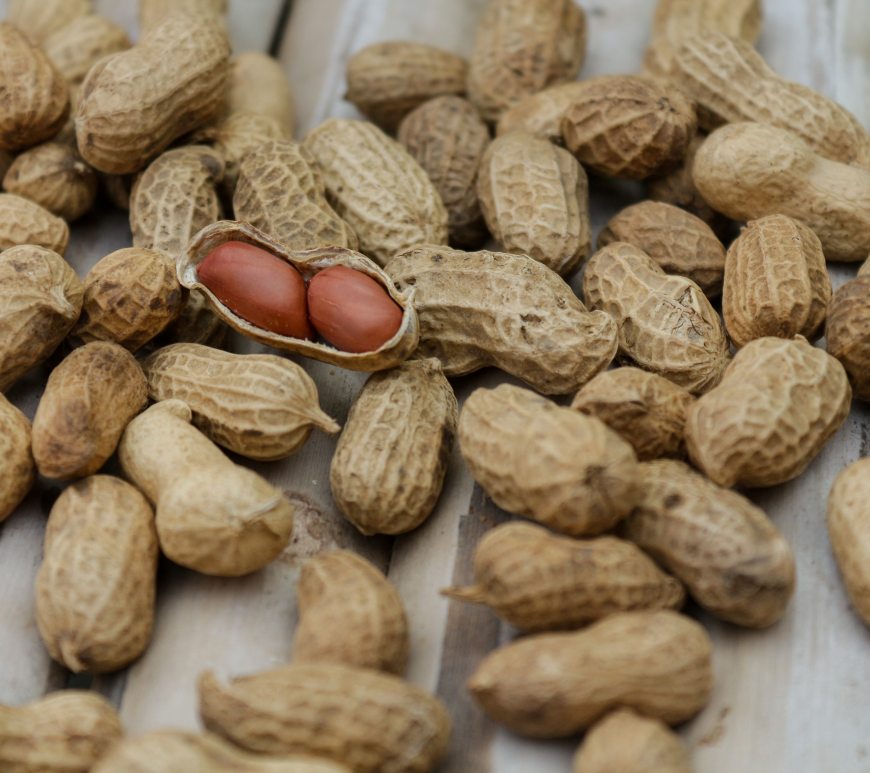
Aditi Kaveti ’23 Peanut allergies affect 6% to 8% of children around the world. Living with severe allergies is extremely dangerous and requires close monitoring of the ingredients in packaged foods and at restaurants. Many packaged products warn that the food was manufactured in a facility that processes peanuts or tree nuts. These trace amounts seem inconsequential, but they can lead to severe allergic reactions. … Continue reading A Long-Term Solution for Individuals Living With Peanut Allergies

Eating Junk Food Leads to Blindness

Ellie Teng ’21 A case report presented a 14 year old male adolescent with “fussy” eating habits feeling fatigued. Scientists from Bristol Medical School and the Bristol Eye Hospital performed tests that showed anemia and low levels of vitamin B12 but the patient was otherwise well. At 15, he was suffering from hearing loss and not long after, deteriorating vision. He was referred to an … Continue reading Eating Junk Food Leads to Blindness

Early Initiation of Breastfeeding Proves to be Highly Beneficial to Newborns

Priyanshi Patel ’22 Sepsis is the common pathway that leads to neonatal death due to severe illnesses and various infections. Neonatal sepsis is the main cause of neonatal deaths in most developing countries and causes 13% of deaths during the neonatal period and 42% of deaths just after 7 days. The World Health Organization (WHO) recommends early initiation of breastfeeding within 1 hour of giving … Continue reading Early Initiation of Breastfeeding Proves to be Highly Beneficial to Newborns

Comparing Nicotine Absorption During E-cigarette Use and Combustible Cigarette Use

 Kavindra Sahabir ‘21 Thanks to multiple ad campaigns and public awareness efforts, it is now known that cigarette use among people of all ages and health levels is highly dangerous and heightens one’s risk of contracting serious diseases such as lung cancer. Used as a preventative measure, e-cigarettes have been touted as an aid to quit using cigarettes as they are said to deliver similar … Continue reading Comparing Nicotine Absorption During E-cigarette Use and Combustible Cigarette Use

The Comparison of the Lipid Profiles and Fatigue Levels of Multiple Sclerosis Patients

Kavindra Sahabir ‘21 In patients suffering from multiple sclerosis (MS), fatigue is a very common and debilitating symptom that differs greatly from the fatigue that is commonly associated with other diseases. This is because of the nature of MS, which results from a degradation of the central nervous system as well as a breakdown of the blood-brain barrier. Drugs prescribed for MS-induced fatigue are limited … Continue reading The Comparison of the Lipid Profiles and Fatigue Levels of Multiple Sclerosis Patients

Exercise and Longevity in Women

By Mariam Malik ‘22 Daily exercise has been proven to significantly reduce stress and increase happiness and longevity. It has been assumed that 10,000 steps per day were needed to feel these boosts in dopamine and energy, but a recent study published in JAMA Internal Medicine provides experimental evidence that the recommended number of steps to feel the positive effects of walking is actually fewer … Continue reading Exercise and Longevity in Women

Optimizing Treatment for Diabetic Patients With Coronary Artery Disease

By Allan Mai ‘20 There are currently 415 million people worldwide living with diabetes; this number is expected to rise to 640 million by the year 2040. Complications, especially coronary artery disease (CAD), is one of the leading causes of death in diabetic patients; conversely, optimizing management of such complications can also significantly increase lifespan. While the previous assumption was that good glycemic control would … Continue reading Optimizing Treatment for Diabetic Patients With Coronary Artery Disease