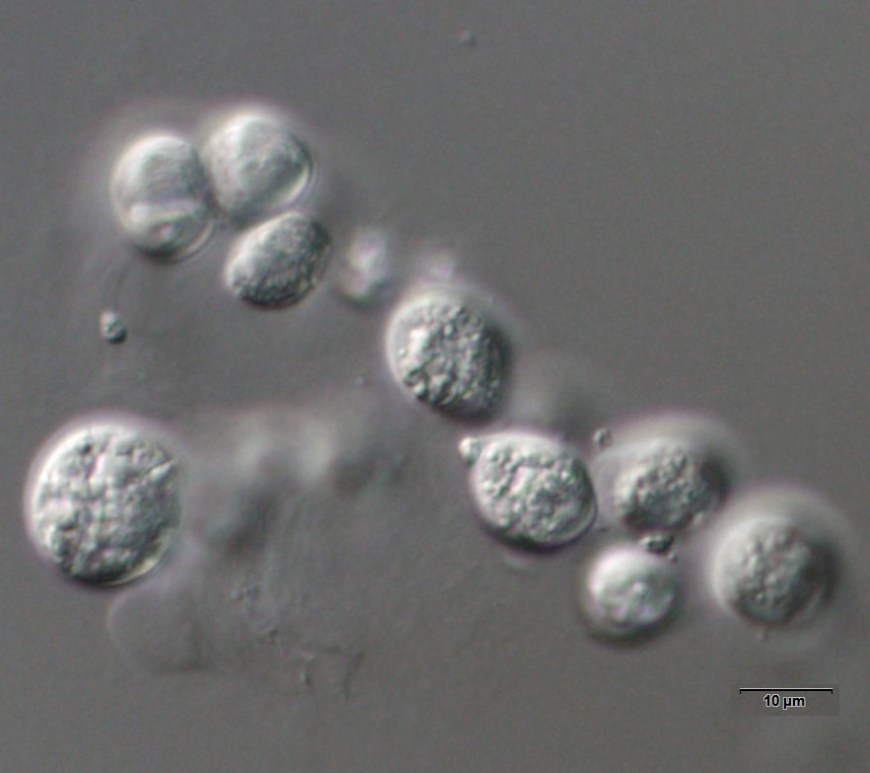
Specific protein, TlyC in bacteria Rickettsia plays a determining factor in the pathogenesis of Spotted Fever disease


Author: Kang Lai, Class of 2026 Ticks are commonly known vectors that transmit pathogens from one host to another. The genus of bacteria known as Rickettsia contains a hemolysin factor that causes disease progression through lysis of red blood cells. Several strains of Rickettsia are analyzed to deduce the key virulence factor behind its epidemiology of the Spotted Fever pathogenesis.  Bacterial hemolysins are toxins that … Continue reading Specific protein, TlyC in bacteria Rickettsia plays a determining factor in the pathogenesis of Spotted Fever disease

Avoiding The Snack Aisles in Supermarkets—A Battle Against Processed Food and Western Diet

Sajia Athai, Class of 2026 With social media and YouTube beginning an era of tutorials, DIY videos, and cooking shows, it has become increasingly accessible to try new foods. From hwachae to Dubai chocolate bars, people globally try new sweets and dishes that excite their sweet tooth. It’s often easy to forget to consume these sweets in moderation. In addition, changes in meat-processing and cooking … Continue reading Avoiding The Snack Aisles in Supermarkets—A Battle Against Processed Food and Western Diet

How Do You Like Your Eggs? Poached, Sunny Side Up, or Contaminated?

Sajia Athai, Class of 2026 Eggs can be made in many distinct ways–poached, sunny side up, scrambled, fried, or boiled. With a recent frenzy of fighting for cartons of eggs in supermarkets, there have been concerns raised about the food safety of eggs amid the bird flu epidemic. From Costco recalling eggs on its shelves to increasing prices for cartons of a dozen, research about … Continue reading How Do You Like Your Eggs? Poached, Sunny Side Up, or Contaminated?

Unlocking Gut-Boosting Benefits of Fermented Foods

Tiffany Ang, Class of 2026 Gut microbes, often referred to as psychobiotics, play a key role in regulating the microbiota-gut-brain axis. This bidirectional pathway facilitates a constant relay of information between the gut and the brain. Fermented foods, such as yogurt, kimchi, and natto, are rich in beneficial gut microbes and microbial metabolites that can be leveraged to target this axis. Their affordability and widespread … Continue reading Unlocking Gut-Boosting Benefits of Fermented Foods

Watermelon Snow: A Medium for Antibiotic Resistance Research

Author: Marie Collison, Class of ‘25 A common adaptation of bacteria is antibiotic resistance, a very important field of study in microbiology and medicine. Antibiotic resistance genes (ARGs) can arise naturally and exist as an important natural survival tool for bacteria. ARGs have risen in frequency in human-inhabited regions as a result of increased use of antibiotics. As a result, there is growing concern over … Continue reading Watermelon Snow: A Medium for Antibiotic Resistance Research

A Mother’s Influence on their Youngs’ Microbial Colonization

Julia Chivu ’22 A mother’s influence on her offspring’s health is present even in the microbes found in her child’s gut. A recent study by associate professor Amy Lu at Stony Brook University and a research team from the Arizona State University hypothesized that bacteria present in the gut of infant geladas are highly influenced by their mothers. The study investigated wild geladas–non-human primates found … Continue reading A Mother’s Influence on their Youngs’ Microbial Colonization

Developing Genetic Tools for Eukaryotic Marine Microbes

Gaurav Sharma ’22 Sea life may hold one of the most diverse microbial ecosystems since we have not yet uncovered all of the mysteries and organisms teeming among the depths. Among the microbes that have been studied are eukaryotic microbes which range in diversity. When it comes to studying these organisms, researchers are presented with a challenge and can only genetically study some of these … Continue reading Developing Genetic Tools for Eukaryotic Marine Microbes

New Targeted Therapy May Prevent and Reverse Food Allergies

Nicole Zhao ’20 A food allergy is an immune system reaction that occurs when exposed to a certain food (1). Symptoms resulting from an allergic reaction include digestive problems, hives, swollen airways and even anaphylaxis (1). Anaphylaxis is a serious, life-threatening allergic reaction and encompasses a variety of symptoms with high severity (2). During an allergic reaction, the immune system recognizes that a specific food … Continue reading New Targeted Therapy May Prevent and Reverse Food Allergies

Our Gut’s Interference in Some Medications

Mariam Malik ‘22 A drug is characterized as any substance that may alter one’s psychology or physiology. Depending on its purpose, each drug takes a different path once inside the body, but researchers at Harvard University have determined the role of the gut in interfering  with a drug’s path and eventually, its effectiveness.  Professor Emily Blaskus and graduate student Vayu Maini Rekdal focused on Levodopa, … Continue reading Our Gut’s Interference in Some Medications