Cannabis as a Beneficial Alternative for Frequent Opioid Users with Chronic Pain

Priyanshi Patel ’22 The number of opioid-related deaths has continued to rise in  the United States and Canada. In regions where drug overdoses were declared a public health emergency, synthetic opioids in drug markets had caused large increases in death. Many people who use drugs lack access to adequate pain management through their healthcare system, thereby experiencing high rates of pain. More research is needed … Continue reading Cannabis as a Beneficial Alternative for Frequent Opioid Users with Chronic Pain

Improved Body Composition After Testosterone Treatment in Young Male Cancer Survivors

Priyanshi Patel ’22 Young male cancer survivors have low testosterone levels compared to those of  healthy populations. Long term effects of low testosterone involve endocrine disorders that affect up to 50% of adult childhood cancer survivors, and younger survivors are often unsure as to whether they would benefit from testosterone treatment. A study was conducted in the United Kingdom on secondary hospital outpatients.. The study … Continue reading Improved Body Composition After Testosterone Treatment in Young Male Cancer Survivors

Growth Factor Induces Methylation Changes in Lung Fibroblasts

Priyanshi Patel ’22 Idiopathic Pulmonary Fibrosis (IPF) is an irreversible, chronic, and lethal disease of unknown etiology. IPF is characterized by excessive deposition of extracellular matrix (ECM), which is secreted mainly by activated fibroblasts under certain stimuli. Recent studies have evaluated alterations with DNA methylation as a collective driver of IPF. Few studies explore global DNA methylation in lung fibrosis, but none focused on transforming … Continue reading Growth Factor Induces Methylation Changes in Lung Fibroblasts

Biodiversity Offers Insight into the Ecosystem of Liver Cancer

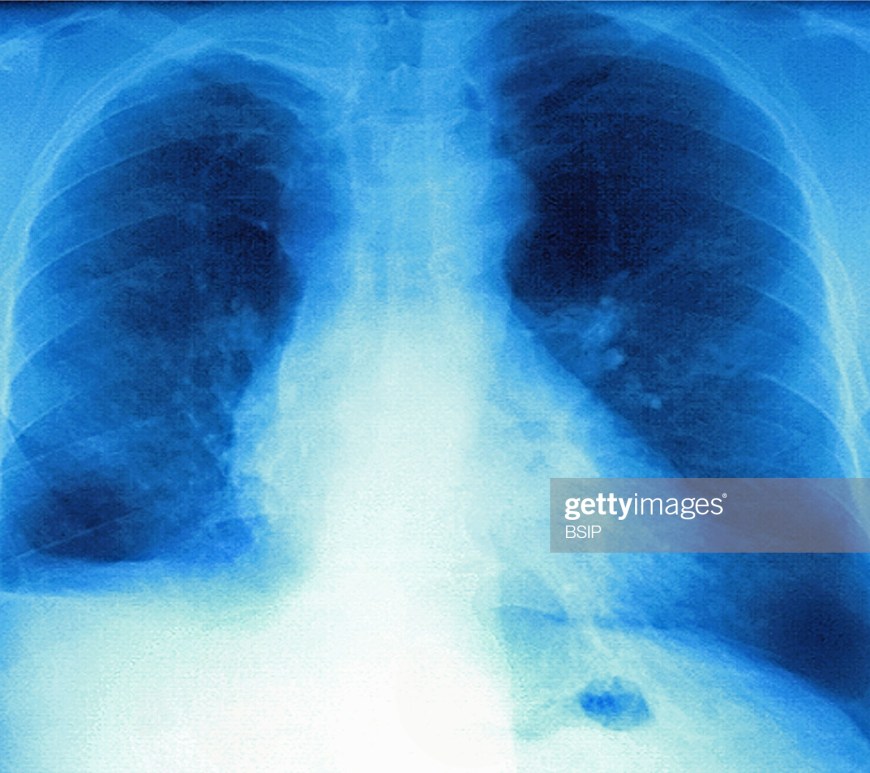
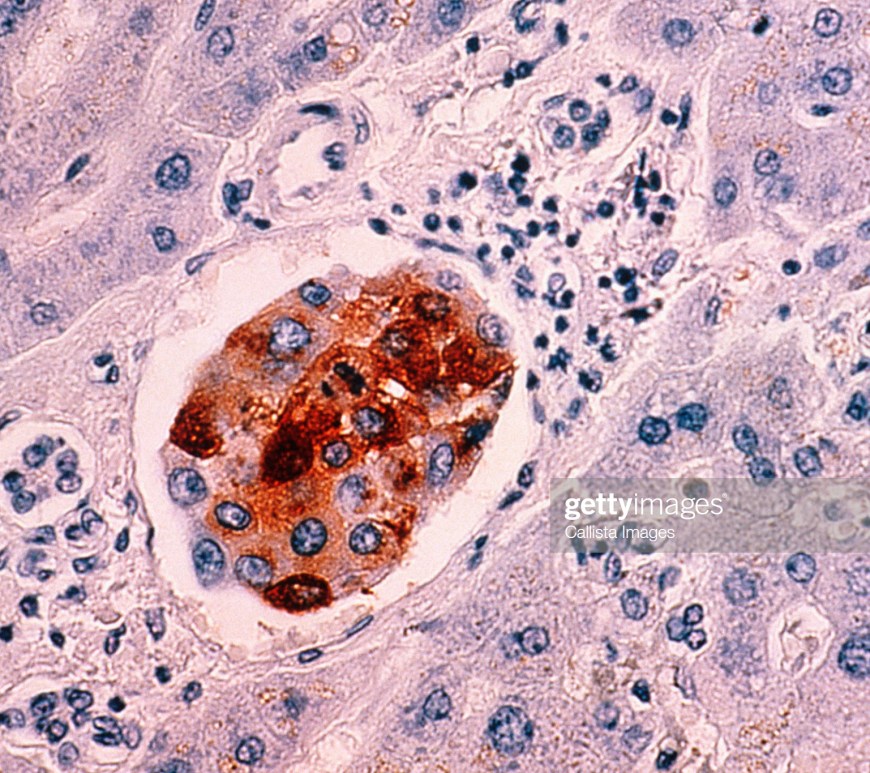
Priyanshi Patel ’22 Liver cancer is the second most lethal malignancy in the world and includes mainly hepatocellular carcinoma (HCC) and intrahepatic cholangiocarcinoma (iCCA). HCC is the most common type of primary liver cancer and often occurs in people with chronic liver diseases. iCCA is also a cancer that develops within the bile duct, whereas HCC occurs among alcoholics or those with fat accumulation in … Continue reading Biodiversity Offers Insight into the Ecosystem of Liver Cancer

Essential Role of the MEKK3-ERK5 Module in Endothelial Cell Death

Jorge Pincay ’20 Atherosclerosis is a chronic inflammatory disease characterized by the build-up of plaque in artery walls, which can lead to coronary artery disease, heart failure, and stroke. Since atherosclerosis results from endothelial cell injury and death, researchers are making greater efforts to acquire a better understanding of the cellular mechanisms that may lead to these unfavorable changes in endothelial cells. In particular, the … Continue reading Essential Role of the MEKK3-ERK5 Module in Endothelial Cell Death

Can a Reduction in Carbohydrate Consumption Produce Adverse Effects?

Jorge Pincay ’20 Low carbohydrate  diets (LCD) have been adopted by many patients as a means of battling diseases such as cancer, diabetes, obesity, and many other metabolic disorders. This type of diet is even widely used by the general population for maintaining and/or losing weight. However, not many studies  have investigated the adverse health effects that may result from a sudden halt in carbohydrates … Continue reading Can a Reduction in Carbohydrate Consumption Produce Adverse Effects?

Potential for Enhanced Cancer Therapy by Allosteric Inhibition of Phosphoglycerate Mutase

Jorge Pincay ’20 Phosphoglycerate mutase 1 (PGAM1) is a gene known to promote rapid tumor growth and invasiveness in several cancers, including non-small cell lung cancer (NSCLC). PGAM1 encodes for an enzyme that catalyzes the conversion of 3-phosphoglycerate to 2-phosphoglycerate in the glycolytic pathway,  a compound that coordinates anabolic biosynthesis. In many forms of cancer, including NSCLC, urothelial bladder cancer, and hepatocellular carcinoma, upregulation of … Continue reading Potential for Enhanced Cancer Therapy by Allosteric Inhibition of Phosphoglycerate Mutase

Common Fungi May Drive Pancreatic Cancer

Nicole Zhao ’20 Pancreatic cancer is the seventh leading cause of cancer-related deaths worldwide and occurs more frequently in developed countries (1). What makes pancreatic cancer even more alarming is that patients seldom exhibit symptoms until an advanced stage of the disease when little can be done for them (1). Therefore, techniques in early detection and risk assessment are crucial in the prognosis of a … Continue reading Common Fungi May Drive Pancreatic Cancer

Changes in Retinal Chromatin Allow Animals To Be Nocturnal

Mariam Malik ‘22 Night vision allows nocturnal animals to be active at nighttime and sleep when the sun is out, while diurnal animals are active during the day and sleep at night. However, when both diurnal and nocturnal animals are born, their ocular abilities are equal until a change in the cells of the eye occurs, allowing the animal to see in the dark. Through … Continue reading Changes in Retinal Chromatin Allow Animals To Be Nocturnal

Tfh13: The Cells Involved In An Allergic Reaction

Mariam Malik ’22 Anaphylaxis is the biological reaction of the body to an allergy, in which airways are constricted and blood pressure suddenly drops. Anaphylactic shock can result from various allergies, including food and insect stings. Previous research has shown that during an allergic reaction, the immune system releases high levels of high-affinity Immunoglobin (IgE) antibodies, which then strongly bind to allergens to form an … Continue reading Tfh13: The Cells Involved In An Allergic Reaction

Is Eternal Life Actually Possible? New Drug Formula May Reverse Biological Age

Joyce Chen ’23 Biological age is the measurement of the true ages of humans through the chemical changes in their DNA. Previous research and hypotheses inferred that reversing this can allow humans to acquire better immune systems and healthier bodies in general. To test if biological age reversal is actually possible, determined scientists from Intervene Immune and the University of California, Los Angeles, completed a … Continue reading Is Eternal Life Actually Possible? New Drug Formula May Reverse Biological Age

A Long-Term Solution for Individuals Living With Peanut Allergies

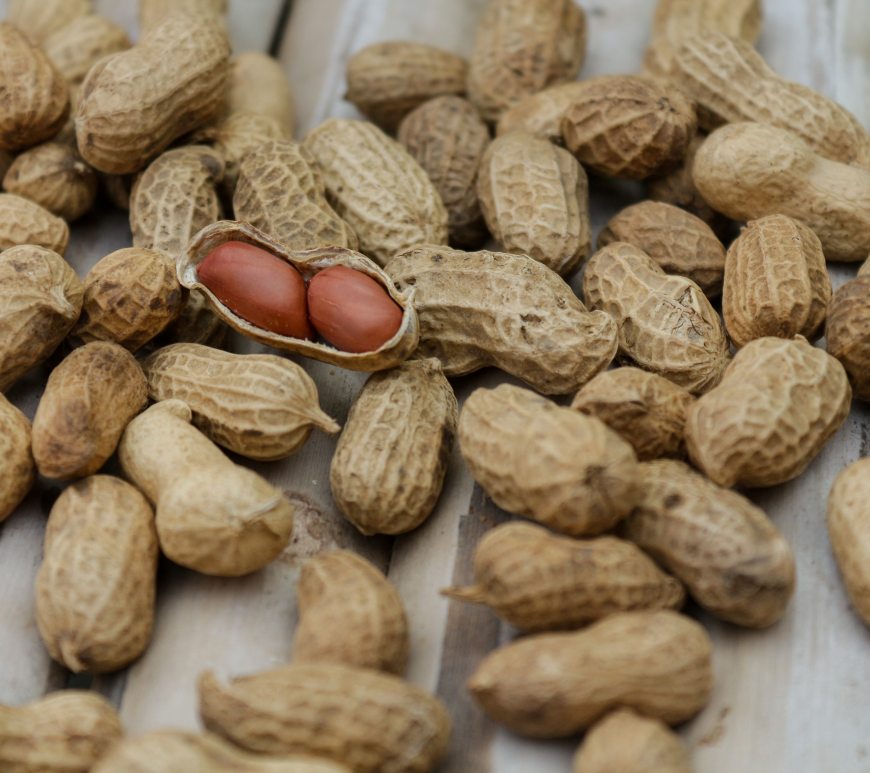
Aditi Kaveti ’23 Peanut allergies affect 6% to 8% of children around the world. Living with severe allergies is extremely dangerous and requires close monitoring of the ingredients in packaged foods and at restaurants. Many packaged products warn that the food was manufactured in a facility that processes peanuts or tree nuts. These trace amounts seem inconsequential, but they can lead to severe allergic reactions. … Continue reading A Long-Term Solution for Individuals Living With Peanut Allergies