Figure 1

A Mechanical Thorax for CPR Simulation

Caleb Sooknanan ’20 For the past few decades, cardiopulmonary resuscitation (CPR) guidelines have been regulated on the basis of chest compression, medication procedures, and other criteria. However, the circulation generated via CPR varies with intensity and duration of compressions, which can be inconsistent. As studies evaluating such inconsistencies have been relegated to animal or computer simulations due their medical and ethical concerns, Dr. Stefan Eichhorn … Continue reading A Mechanical Thorax for CPR Simulation

New and Revolutionary Treatment for Bacterial Infection

By Patrick Yang ’20 Bronchiectasis occurs when the lung’s bronchial tubes are permanently damaged or inflamed, leading to chest pain, coughing up blood, and large production of mucus. These damaged lung walls also make bronchiectasis patients more prone to chronic infection and, specifically, Pseudomonas aeruginosa lung infections, which increase mortality rates. However, previous research has shown that patients with bronchiectasis and chronic P. aeruginosa infection … Continue reading New and Revolutionary Treatment for Bacterial Infection

Figure 1. Artificially sweetened drinks are connected to a greater risk for stroke and dementia.

Sugary Drinks vs. Healthy Brains

By Taylor Ha ’18 Many American consumers regularly indulge in hundreds of sugar- and artificially- sweetened name brand drinks: Coke, Sprite, Fanta soda, and Hawaiian punch, to name a few. However, routine consumption of such drinks is associated with cardiometabolic diseases, which can amplify stroke and dementia risk. And according to new research published on April 20, 2017, avid soda, fruit juice, and overall sweet … Continue reading Sugary Drinks vs. Healthy Brains

Figure 1. High dosages of vitamin C are selectively toxic to cancer cells and can enhance cancer therapies.

Vitamin C Enhances Cancer Therapy

By Patrick Yang ’20 Ascorbate, or vitamin C, is a potential anti-cancer agent when paired with chemotherapy. Scientists hypothesize that ascorbate’s curative powers stem from its ability to produce hydrogen peroxide, which reduces iron to form free radicals – highly reactive molecules that damage DNA and cause cell death. Since aggressive cancers have unusually large intracellular iron pools that support cancer spread and growth, ascorbate … Continue reading Vitamin C Enhances Cancer Therapy

Caption: A mathematical model predicts sleep patterns impacted by artificial light and socially established schedules.

Model Predicts Sleep Patterns

Meghan Bialt-DeCelie – ’19 Rapid modernization has had an impact on the hours that humans are active, disrupting natural and established rhythms. A team led by Anne Skeldon, PhD, developed a mathematical model that shows the effect of factors like artificial light on the human circadian rhythm and sleeping habits. The mathematical model included three factors involved in sleep regulation: mutual inhibition of wake and … Continue reading Model Predicts Sleep Patterns

Figure 1. Low birth weight is the cause of innumerable preventable diseases in sub-Saharan Africa.

Can Fighting Malaria Combat Low Birth Weight?

By Eshani Goradia ‘19 A problem in many parts of the world, particularly sub-Saharan Africa, is low birth weight (LBW). LBW could result in neonatal mortality/morbidity, childhood stunting, a lack of cognitive development, and more. Often times, diseases like malaria can be the cause of LBW. Dr. James G. Beeson and Dr. Julie A. Simpson conducted a mathematical study that suggests incidences of LBW can … Continue reading Can Fighting Malaria Combat Low Birth Weight?

Figure 1. The odd association between anxiety and bowel movements in irritable bowel syndrome is a result of altered gut bacteria.

Exploring the Anxiety Associated with Irritable Bowel Syndrome

By Patrick Yang ‘20 While symptoms of abdominal pain, gas, and diarrhea are implied in its name, irritable bowel syndrome (IBS), a common gastrointestinal disorder, is also often accompanied by anxiety. The odd association with gut and brain behavior has led scientists to believe that there is a disorder of unknown cause between gut-brain communication that results in the concurrent symptoms. Recent research on IBS … Continue reading Exploring the Anxiety Associated with Irritable Bowel Syndrome

Figure 1. It is important to integrate the three basic domains of nutrition into academic training and education.

Scientists Show the Importance of Nutrition Education

By Eshani Goradia ’19 How many times have you heard a parent or guardian say, “You are what you eat”? The statement, however annoying it may seem, holds a great deal of substance. Researchers for the Federation of the Italian Nutrition Societies (FeSIN) led by Dr. Lorenzo M. Donini studied the domains of human nutrition and the importance of nutrition in education. The FeSIN attributed … Continue reading Scientists Show the Importance of Nutrition Education

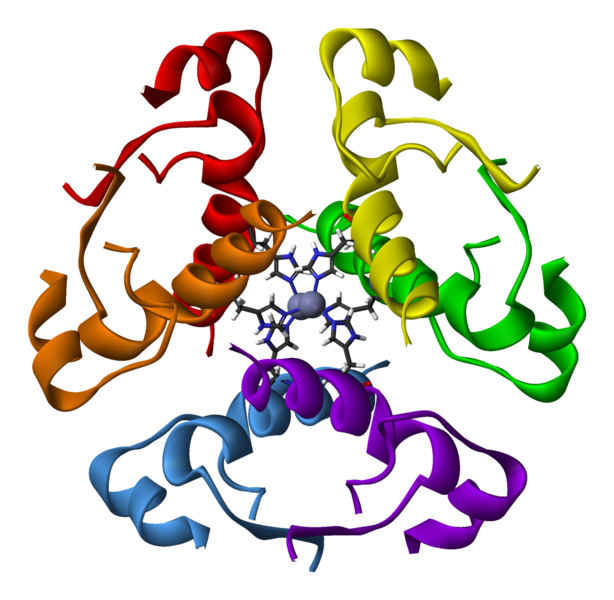
Glucose Transportation

      By: Richard Liang 18’  Insulin is an important signaling factor in glucose uptake, acting in concert with glucose transporter GLUT4 to transport glucose into skeletal muscle and adipose tissue. In the presence of insulin, GLUT4 is translocated to the plasma membrane where an exocyst complex tethers the GLUT4 to the membrane, a process that requires G protein RalA to bind to the … Continue reading Glucose Transportation

Improving Influenza Vaccine Efficacy Sans Adjuvants

    By: Richard Liang 18’ Vaccination is one of the best methods to guard against influenza, as it allows human dendritic cells (DCs) to promote long-term adaptive immunity. Due to the rapid pace of influenza mutation, the composition of influenza vaccines varies annually, with a focus on immunogenicity as opposed to vaccine efficacy. To improve efficacy, immunological agents known as adjuvants can be added … Continue reading Improving Influenza Vaccine Efficacy Sans Adjuvants

Using SIRT1 Activators to Treat Tuberculosis

    By: Richard Liang 18’ Tuberculosis (TB) is a highly infectious disease that can remain dormant for many years. Currently, treatment options are limited by Mycobacterium tuberculosis’s ability evade the immune system and mutate into drug-resistant strains. Outbreaks are a more pressing concern in developing countries, where health care is less accessible. In a recent study led by Catherine Y. Cheng from the Singapore … Continue reading Using SIRT1 Activators to Treat Tuberculosis

Peptide Microarrays Can Identify Tuberculosis Antibody Responses

  By Caleb Sooknanan ’20 Tuberculosis (TB) is the world’s most prominent cause of death by infection. Scientists have become increasingly interested in the humoral immune responses associated with TB, but it is difficult to find the antigenic targets that correspond to specific stages of TB infection and disease. Dr. Davide Valentini and researchers at Karolinska Institutet conducted a study to determine whether peptide microarray … Continue reading Peptide Microarrays Can Identify Tuberculosis Antibody Responses