Inducing Leukemia Cell Death Through the Inhibition of Amino Acids

By Riya Gandhi ‘22 Thanks to chemotherapy, acute myeloid leukemia (AML) is not the most fatal kind of cancer. However, the same chemotherapy that treats the disease may also revitalize leukemia stem cell populations, thereby increasing the probability of relapse. As such, scientists are still actively researching alternative treatments and cures. Most recently, researchers looked into the importance of amino acids for preventing the growth … Continue reading Inducing Leukemia Cell Death Through the Inhibition of Amino Acids


Expression of Transcription Factor TP63 Reprograms Squamous Pancreatic Ductal Adenocarcinoma Cells

By Riya Gandhi ‘22 Although pancreatic cancer is not the most common type of cancer, the prognosis for those diagnosed with the disease is very poor. Much like any other cancer, pancreatic cancer develops when cells in the organ multiply at an uncontrollable rate. Pancreatic ductal adenocarcinoma (PDA), the most common type of pancreatic cancer, garnered the attention of researchers at Cold Spring Harbor Laboratory … Continue reading Expression of Transcription Factor TP63 Reprograms Squamous Pancreatic Ductal Adenocarcinoma Cells

Inducing Tumor Cell Death by RIG-I: The Future of Breast Cancer?

By Riya Gandhi ‘22 In recent years cancer therapy – especially cancer immunotherapy – has gained momentum and scientists’ interest has turned to immune checkpoint inhibitors (ICIs). ICIs aid in the suppression of checkpoint receptors to produce powerful immune responses against tumors. Although such a procedure is gaining momentum in clinical settings, much research must be done to legitimize this treatment for breast cancer. Under … Continue reading Inducing Tumor Cell Death by RIG-I: The Future of Breast Cancer?

Investigating the Link Between Cancer Cells and Embryonic Cells to Treat Cancer

By Snigdha Kanadibhotla ‘21 Fundamentally rooted in a lack of cell cycle control, cancer is predicted to affect 38.4% of Americans within their lifetimes (1). While most healthy cells are regulated by three cell cycle checkpoints, cancerous cells can bypass these regulatory systems, which leads to uncontrolled division and metastasis (the spread of cancer through the body). Considered to be a unique characteristic of cancer, … Continue reading Investigating the Link Between Cancer Cells and Embryonic Cells to Treat Cancer

From Colon Cancer Cells to Cancer Stem Cells: The Value of Reprogramming Cells

By Riya Gandhi ‘22 The location of cancer stem cells in tumors has opened the door to the development of a variety of therapeutic applications. These cells are the future of oncology, and scientists still have much to uncover regarding their various uses in medical treatment. While cancer stem cells are treasure chests of opportunity and have wide scientific application, they are difficult to obtain. … Continue reading From Colon Cancer Cells to Cancer Stem Cells: The Value of Reprogramming Cells

In Situ Administration of Cytokine Combinations Could Be the Future of Immunotherapy

By Riya Gandhi ‘22 Rather than look outwards for new cancer treatments, scientists are beginning to look inwards – that is, inside the human body – for advanced therapeutic treatments. Although the use of cytokines, biomolecules that direct an immune response,in cancer therapy has been attempted for decades, there is still room for much improvement. In a recent study on cytokines, researchers under the guidance … Continue reading In Situ Administration of Cytokine Combinations Could Be the Future of Immunotherapy

Figure 1. Lutein is a naturally occurring pigment found within foods such as kiwifruits. A study from the University of Illinois at Urbana-Champaign suggests that an intake of lutein can reduce cognitive decline in adults.

The Effects of Carotenoids on Cognitive Ability

By Caleb Sooknanan ’20 Lutein — a carotenoid or pigment from green foods such as spinach and kiwifruit — can be quantified in central nervous system tissue, making it a useful way of evaluating diet’s effect on the brain. However, scientists are still determining whether higher lutein amounts yield cognitive ability improvements. Doctor Naiman A. Khan and researchers at the University of Illinois at Urbana-Champaign … Continue reading The Effects of Carotenoids on Cognitive Ability

Figure 1. Scientists strive to create wearable smart devices that can detect physiological phenomena in real time. According to a study from UC Berkeley, new ear devices can be 3D printed and used to indicate patients’ true body temperatures.

3D-Printed Ear Devices Detect Core Body Temperature

By Caleb Sooknanan ’20 Healthcare sensors are frequently used to detect skin temperature, but more research is needed to design a device that can pinpoint core body temperature levels and help doctors predict the likelihood of fever, fatigue, and other physiological phenomena. Professor Ali Javey and researchers at the University of California, Berkeley designed a printable smart device that — when placed on a patient’s … Continue reading 3D-Printed Ear Devices Detect Core Body Temperature

Figure 1. Human gut microbe, P. histicola has therapeutic effects against Multiple Sclerosis (MS)

Gut microbe as Potential Treatment for Multiple Sclerosis

By Rideeta Raquib ’19 The human gut is colonized by many microorganisms and each of them plays a role in maintaining various physiological functions, such as regulating digestion and fat absorption. It has been found that a vast number of inflammatory diseases around the world are associated with an instability of the gut microbiome. Researchers at the Mayo Clinic and University of Iowa suggest that … Continue reading Gut microbe as Potential Treatment for Multiple Sclerosis

Figure 1. Zika vaccine developed from Nicotiana benthamiana plant extract

Improved Zika Vaccine Produced by Tobacco Plant extract

By Rideeta Raquib ’19 The Zika virus (ZIKV) is a deadly virus transmitted through mosquito bites that at its climax has infected more than 1.5 million people in Brazil in 2015. The virus continues to spread with approximately 200 ZIKV cases reported in the United States this year. In order to combat the epidemic, new ZIKV vaccines have been developed to inactivate the virus. However, … Continue reading Improved Zika Vaccine Produced by Tobacco Plant extract

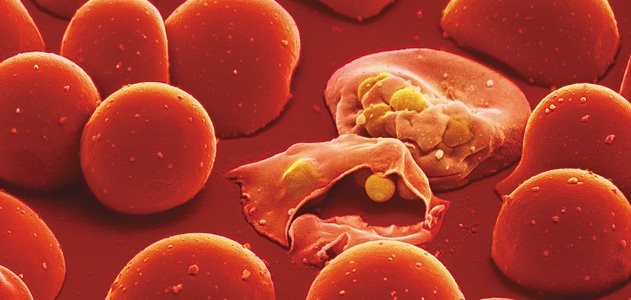
Figure 1 A protein involved in malaria development identified

Novel Findings to Tackle Malaria

By Rideeta Raquib ’19 Malaria is a deadly disease caused by single-celled parasites of the genus Plasmodium. Once the body is infected, sporozoites migrate to the liver and replicate to merozoites. A sporozoite in a motile, sporelike phase during a parasite’s asexual reproduction. A merozoite is the growth stage, which occurs in the bloodstream. The toxins released by merozoites destroy red blood cells and can … Continue reading Novel Findings to Tackle Malaria

Caption: Parent and child stress hormone levels may be bidirectionally concordant, with both influencing the other’s HPA axis activity.

Parent and child cortisol levels show concordance in certain conditions

Aaradhana Natarajan, 2020 The hypothalamus-pituitary-adrenal axis, or HPA axis, is a neuroendocrine pathway that is linked to emotional functioning and health. Researchers at the University of Maryland College Park, led by Dr. Stephanie Merwin, recently investigated whether or not the HPA axis functioning of a child showed correlation to that of their parents. They accounted for both the child’s temperament and parent’s psychological history in … Continue reading Parent and child cortisol levels show concordance in certain conditions