Curcumin has the potential to alterations caused by ischemia

by Aaradhana Natarajan ’20 Ischemia can result when blood flow is severely reduced. The lack of sufficient oxygen and glucose causes cells to inflame as the body tries to regain homeostasis. Dr. Glaura Fernandes Teixeira de Alcântara and researchers at Estacio of Juazeiro da Norte in Brazil studied the neuroprotective ability of curcumin for global cerebral ischemia in the hippocampus. The researchers used a rat … Continue reading Curcumin has the potential to alterations caused by ischemia

Solar Cells Could Power Medical Implants

  By Rideeta Raquib ‘19 Electronic implants are usually powered by batteries. Rechargeable batteries, which are rare, require continuous charging and primary batteries require implant replacements if they are completely used up. Thus, lead researcher Dr. Lukas Bereuter, and his research team at the University of Bern in Switzerland investigated whether sunlight could serve as an alternative source of energy to power medical implants.   Models … Continue reading Solar Cells Could Power Medical Implants

Omega-3 Supplements Tackle Asthma in Children 

      By Rideeta Raquib ‘19   Fish oil is an essential food that is often recommended to boost Omega-3 fats. An insufficient consumption of n-3 long-chain polyunsaturated fatty acids (LCPUFAs) may contribute towards wheezing disorders. A study conducted at the University of Waterloo analyzed the effect of supplementation with n-3 LCPUFAs in pregnant women on the risk factor of acquiring asthma or wheezing disorders … Continue reading Omega-3 Supplements Tackle Asthma in Children 

The Key to Youth Via Senescent Cell Removal

  Researchers believe the key to anti-aging may be the removal of senescent cells   Rideeta Raquib ‘19 As individuals age, the ability of tissues to carry out adequate function deteriorates and age-related diseases become more prominent. Senescent cells are found in huge quantities of these diseases, but there is not much research done regarding whether these cells caused such degeneration. Senescence occurs when cell … Continue reading The Key to Youth Via Senescent Cell Removal

Isolated Antibodies Protect Against Zika in Mice

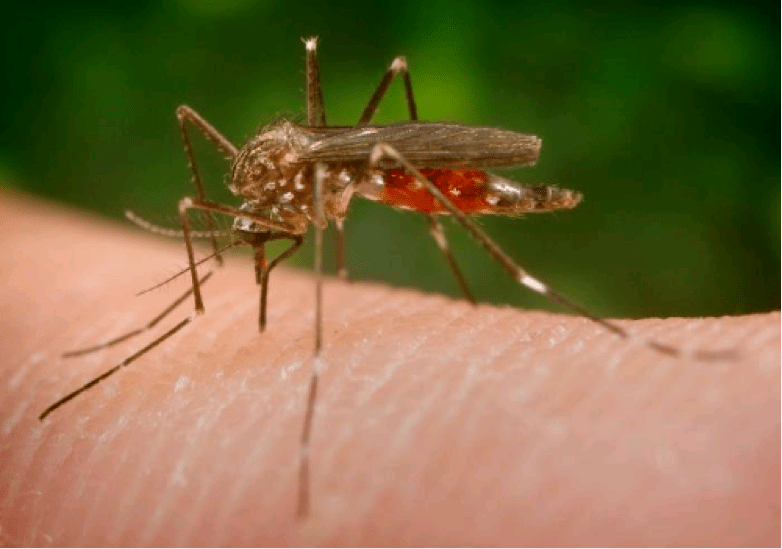
An antibody found in humans might be able to fight the Zika virus which is transmitted through mosquitos. Patrick Yang ‘20 Zika virus’s 2015-2016 outbreak that infected more than 80,000 people gained much attention because of the severe birth defects caused by it. Although Zika is no longer an international public health emergency, treatment and preventative measures must still be developed in anticipation for a … Continue reading Isolated Antibodies Protect Against Zika in Mice

Harvesting Energy with Magnetic Springs

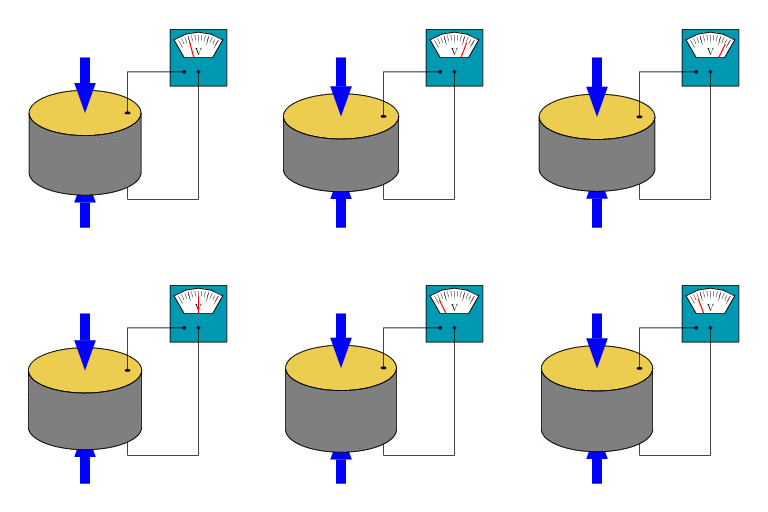
      Michael D’Agati ‘18 Developing better ways to power portable electronic or wireless sensor systems has become more desirable in our increasingly mobile world. Multiple projects have proposed harvesting mechanical stresses from the human body to power these devices, but many of them use piezoelectric materials, which create current in a circuit due to changes in pressures on the material. Many small piezoelectric … Continue reading Harvesting Energy with Magnetic Springs

Creating Electricity Using the Motion of the Body

    Michael D’Agati ‘18 Wearable electronics, such as the Fitbit and Apple Watch, have started to flood the consumer marketplace. Flexible energy sources, rather than traditional batteries, are garnering more popularity to power this wearable technology because energy created by a moving human body – an unlimited power source – can be harvested and used to power them. A team of researchers led by … Continue reading Creating Electricity Using the Motion of the Body

Sensing Human Touch with Low Frequencies

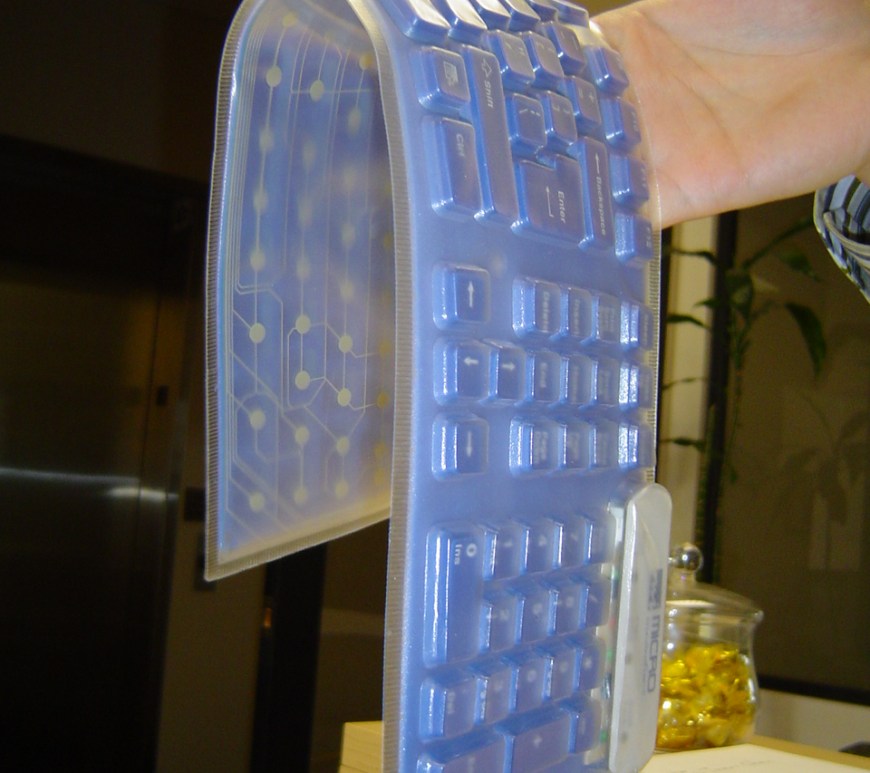
Michael D’Agati ‘18 Passive touch sensing flexible keyboards could supplement low power displays. Sensing Human Touch with Low Frequencies. From touch screens to keypads, the technology that senses a human touch is vital to communication in the 21st century. This technology found in the displays of smartphones and tablets requires active touch sensing technologies. In other words, the display requires power delivered via battery or … Continue reading Sensing Human Touch with Low Frequencies

Tackling Zika with an Antibody Present in Humans

by Rideeta Raquib ’19   The Zika virus, or ZIKV, falls under the classification of the flavivirus genus, which includes Dengue and West Nile virus members, and can lead to numerous negative side effects. The virus contains a surface that is composed of 180 copies of E protein organized in an icosahedral symmetrical pattern with 60 asymmetric units. It also contains three domains, DI, DII, and … Continue reading Tackling Zika with an Antibody Present in Humans

Potential Oral Anti-Malarial Medication Developed

  By Richard Liang   Malaria is still a potent threat in regions across the globe despite attempts at mass drug administration. Existing drugs that limit its transmission are difficult to distribute and administer in large groups. An orally administered drug would be most efficient, but oral drugs are often too rapidly metabolized by the digestive system to be effective. In a recent study led … Continue reading Potential Oral Anti-Malarial Medication Developed

The Connection between Weight Gain Patterns and Tuberculosis

Tuberculosis treatment, research has shown, may be related to weight gain among patients By Caleb Sooknanan     Tuberculosis (TB) is an infectious bacterial disease that harms the lungs. One of the most common symptoms of infection among tuberculosis patients is weight loss, with treatments known to incite weight gain and nutritional recovery. Dr. Mimi N. Phan and researchers at Baylor College of Medicine in … Continue reading The Connection between Weight Gain Patterns and Tuberculosis

Identifying Bacteria with MALDI-TOF MS Methods

By Caleb Sooknanan Detecting microbial agents that cause bloodstream infections is a common task in clinical microbiology laboratories. Matrix-assisted laser desorption/ionization time-of-flight mass spectrometry (MALDI-TOF MS) has become one of the most effective bacterial identification methods in recent years, but the corresponding kit for preparing samples is very expensive. This limits the potential use of MALDI-TOF MS in clinical settings. Dr. Shota Yanetani and researchers … Continue reading Identifying Bacteria with MALDI-TOF MS Methods