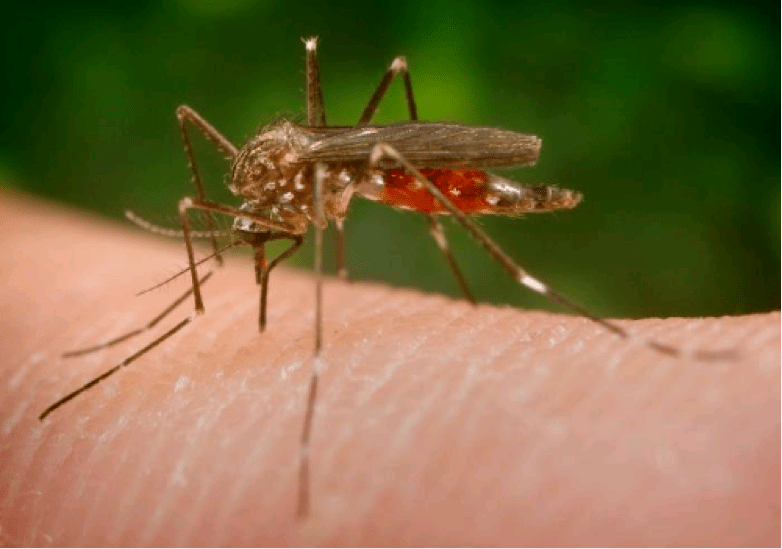
Isolated Antibodies Protect Against Zika in Mice

An antibody found in humans might be able to fight the Zika virus which is transmitted through mosquitos. Patrick Yang ‘20 Zika virus’s 2015-2016 outbreak that infected more than 80,000 people gained much attention because of the severe birth defects caused by it. Although Zika is no longer an international public health emergency, treatment and preventative measures must still be developed in anticipation for a … Continue reading Isolated Antibodies Protect Against Zika in Mice


Harvesting Energy with Magnetic Springs

      Michael D’Agati ‘18 Developing better ways to power portable electronic or wireless sensor systems has become more desirable in our increasingly mobile world. Multiple projects have proposed harvesting mechanical stresses from the human body to power these devices, but many of them use piezoelectric materials, which create current in a circuit due to changes in pressures on the material. Many small piezoelectric … Continue reading Harvesting Energy with Magnetic Springs

Creating Electricity Using the Motion of the Body

    Michael D’Agati ‘18 Wearable electronics, such as the Fitbit and Apple Watch, have started to flood the consumer marketplace. Flexible energy sources, rather than traditional batteries, are garnering more popularity to power this wearable technology because energy created by a moving human body – an unlimited power source – can be harvested and used to power them. A team of researchers led by … Continue reading Creating Electricity Using the Motion of the Body

Sensing Human Touch with Low Frequencies

Michael D’Agati ‘18 Passive touch sensing flexible keyboards could supplement low power displays. Sensing Human Touch with Low Frequencies. From touch screens to keypads, the technology that senses a human touch is vital to communication in the 21st century. This technology found in the displays of smartphones and tablets requires active touch sensing technologies. In other words, the display requires power delivered via battery or … Continue reading Sensing Human Touch with Low Frequencies

Tackling Zika with an Antibody Present in Humans

by Rideeta Raquib ’19   The Zika virus, or ZIKV, falls under the classification of the flavivirus genus, which includes Dengue and West Nile virus members, and can lead to numerous negative side effects. The virus contains a surface that is composed of 180 copies of E protein organized in an icosahedral symmetrical pattern with 60 asymmetric units. It also contains three domains, DI, DII, and … Continue reading Tackling Zika with an Antibody Present in Humans

Potential Oral Anti-Malarial Medication Developed

  By Richard Liang   Malaria is still a potent threat in regions across the globe despite attempts at mass drug administration. Existing drugs that limit its transmission are difficult to distribute and administer in large groups. An orally administered drug would be most efficient, but oral drugs are often too rapidly metabolized by the digestive system to be effective. In a recent study led … Continue reading Potential Oral Anti-Malarial Medication Developed

The Connection between Weight Gain Patterns and Tuberculosis

Tuberculosis treatment, research has shown, may be related to weight gain among patients By Caleb Sooknanan     Tuberculosis (TB) is an infectious bacterial disease that harms the lungs. One of the most common symptoms of infection among tuberculosis patients is weight loss, with treatments known to incite weight gain and nutritional recovery. Dr. Mimi N. Phan and researchers at Baylor College of Medicine in … Continue reading The Connection between Weight Gain Patterns and Tuberculosis

Identifying Bacteria with MALDI-TOF MS Methods

By Caleb Sooknanan Detecting microbial agents that cause bloodstream infections is a common task in clinical microbiology laboratories. Matrix-assisted laser desorption/ionization time-of-flight mass spectrometry (MALDI-TOF MS) has become one of the most effective bacterial identification methods in recent years, but the corresponding kit for preparing samples is very expensive. This limits the potential use of MALDI-TOF MS in clinical settings. Dr. Shota Yanetani and researchers … Continue reading Identifying Bacteria with MALDI-TOF MS Methods

The Epidemiology and Genetic Diversity of Coxsackievirus A16 in Peru

By Caleb Sooknanan These are the most likely trees of coxsackievirus A16 isolates based on the full-length VP1 and VP4 sequences.             Coxsackievirus A16 (CVA16) is an RNA virus that often affects young children and causes rashes and ulcerating blisters. The epidemiology of CVA16 is mostly unknown. Dr. Gladys Carrion and researchers from US Naval Medical Research Unit No. 6 — along with the Peruvian … Continue reading The Epidemiology and Genetic Diversity of Coxsackievirus A16 in Peru

Human Microbiome-Sequenced Data Yields an Antibiotic Candidate

by Jalwa Afroz ’17   Dr. John Chu and a team of researchers at Rockefeller University created a new bioinformatics approach in drug discovery to circumvent the need for bacterial culture and gene expression. Bacterial physiology is limited by the inability to culture most bacteria and also from the gene clusters silenced under lab fermentation conditions. The researchers set out to functionally characterize the data … Continue reading Human Microbiome-Sequenced Data Yields an Antibiotic Candidate

Gold Nanoparticles Suppressing Tumor Growth in Pancreatic Cancer

by Rideeta Raquib ’19   Gold is one of the most valuable resources in the world, and its value may be even greater due to its potential as a new treatment for pancreatic cancer. Previously, gold nanoparticles, AuNPs, were used to target tumor regions and aid in the transport of drugs and chemotherapy to the tumor.  A previous study showed that gold nanoparticles had the ability … Continue reading Gold Nanoparticles Suppressing Tumor Growth in Pancreatic Cancer

Understanding Antigen Replacement in Influenza A Viruses

by Caleb Sooknanan ’20   Influenza is a common viral infection that attacks the respiratory system. Major outbreaks occur due to antigenic changes in the influenza A virus, which is when virus strains from separate hosts combine to form different strains with a mixture of surface antigens. Unfortunately, the mechanism behind this replacement, or antigenic shift, remains misunderstood. Dr. Yuki Furuse and his team of researchers … Continue reading Understanding Antigen Replacement in Influenza A Viruses