Blunted Neural Response to Rewards as a Prospective Predictor of the Development of Depression in Adolescent Girls


    By Ericka Berman Previous studies have shown that during adolescence, rates of depression increase markedly, and girls tend to have rates of depression twice as high as boys. Depressed adults were also shown to exhibit a decreased behavioral response to a reward and less brain activity in regions associated with reward processing in comparison to healthy adults. Dr. Brady Nelson and his team … Continue reading Blunted Neural Response to Rewards as a Prospective Predictor of the Development of Depression in Adolescent Girls

Efficacy of Quetiapine Monotherapy in Posttraumatic Stress Disorder: A Randomized, Placebo-Controlled Trial

          Ericka Berman Posttraumatic Stress Disorder (PTSD) is a debilitating illness affecting approximately 7.8% of people in the U.S. over the course of their lifetime. As of now, two medications are approved in the U.S. to treat PTSD, but both treatments have limited success. Characteristics of the antipsychotic medication quetiapine suggest it may be helpful in treating PTSD symptoms of re-experiencing … Continue reading Efficacy of Quetiapine Monotherapy in Posttraumatic Stress Disorder: A Randomized, Placebo-Controlled Trial

Norepinephrine Transporter in Major Depressive Disorder: A PET Study

    Ericka Berman Major depressive disorder (MDD) is a debilitating illness characterized by low mood and loss of interest in activities. In MDD, the neurotransmitter norepinephrine is believed to be dysregulated, contributing to the depressive symptoms. The goal of this study was to test norepinephrine transporter availability in patients with MDD in attempt to identify potential associations with clinical symptoms. Previous studies have looked … Continue reading Norepinephrine Transporter in Major Depressive Disorder: A PET Study

Medicinal Properties Discovered in Certain Toad Species

By Rideeta Raquib ’19 Traditional medicinal compounds utilized to treat various diseases, ranging from stomach disorders to some types of cancers, are common in toads, specifically the Bufonidae family.  Scientists at the University of Panama, Panama’s government research center INDICASAT AIP, Vanderbilt University in Tennessee, and Acharya Nagarjuna University in Guntur, India, came together to identify several chemical components of the traditional medicines acquired from … Continue reading Medicinal Properties Discovered in Certain Toad Species

Hearing Restoration Via Gene Delivery

By Rideeta Raquib ’19 Inner ear disease disrupts a key sense of hearing for many people worldwide. However, gene therapy can treat inner ear disease if reagents are introduced into appropriate cells. A group of researchers from Harvard Medical School and the Massachusetts Hospital managed to effectively restore hearing in mice by utilizing gene therapy. The inefficacy of vectors transferred into hair cells is a … Continue reading Hearing Restoration Via Gene Delivery

Chicoric Acid Supplementation May Prevent Memory Loss

Patrick Yang ’20 Chicoric acid, a common component in chicory and edible plants, such as lettuce and basil, is a known antioxidant that has anti-HIV and anti-obesity qualities. It can also reduce inflammation caused by high-fat diets and is rapidly distributed to tissues, including the brain, after ingestion. Because of its anti-inflammatory trait and ability to cross the blood-brain barrier, it may be able to … Continue reading Chicoric Acid Supplementation May Prevent Memory Loss

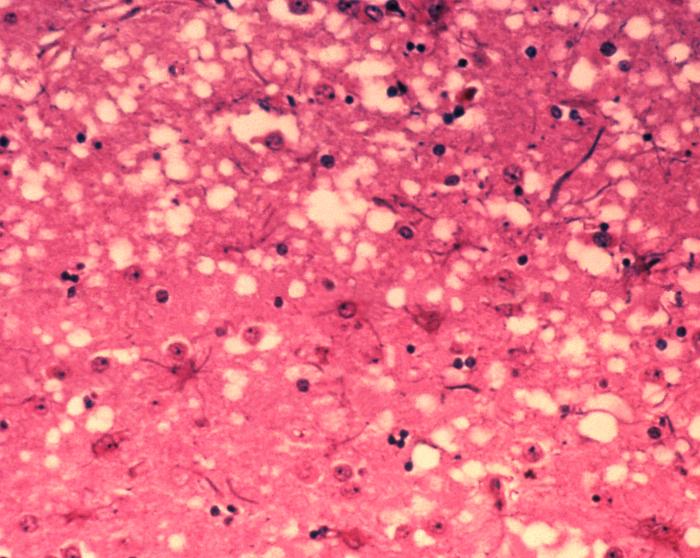
New Blood Test Detects Variant Creutzfeldt-Jakob Disease

Patrick Yang ’20 Variant Creutzfeldt-Jakob disease (vCJD), commonly known as the human form of mad cow disease, is a neurodegenerative condition that is transmitted from infected cattle to humans. The disease’s long incubation stage allows for an asymptomatic period when prions, or infectious proteins, multiply in the brain with no sign of infection. On average, infected individuals die one to two years after onset of … Continue reading New Blood Test Detects Variant Creutzfeldt-Jakob Disease

Research on the presence of carcinogenic compounds in Nigerian smoked fish

by Aaradhana Natarajan ’20 Smoked fish makes up nearly 61% of the dry fish produced in Nigeria. While smoking is a common technique for meat preservation, wood smoke typically produces Polycyclic aromatic compounds (PAHs), which then saturate the fish meat. Professor Isioma Tongo and researchers at the University of Benin in Nigeria studied the concentration of PAHs in four local species of smoked fish and … Continue reading Research on the presence of carcinogenic compounds in Nigerian smoked fish

Curcumin has the potential to alterations caused by ischemia

by Aaradhana Natarajan ’20 Ischemia can result when blood flow is severely reduced. The lack of sufficient oxygen and glucose causes cells to inflame as the body tries to regain homeostasis. Dr. Glaura Fernandes Teixeira de Alcântara and researchers at Estacio of Juazeiro da Norte in Brazil studied the neuroprotective ability of curcumin for global cerebral ischemia in the hippocampus. The researchers used a rat … Continue reading Curcumin has the potential to alterations caused by ischemia

Solar Cells Could Power Medical Implants

  By Rideeta Raquib ‘19 Electronic implants are usually powered by batteries. Rechargeable batteries, which are rare, require continuous charging and primary batteries require implant replacements if they are completely used up. Thus, lead researcher Dr. Lukas Bereuter, and his research team at the University of Bern in Switzerland investigated whether sunlight could serve as an alternative source of energy to power medical implants.   Models … Continue reading Solar Cells Could Power Medical Implants

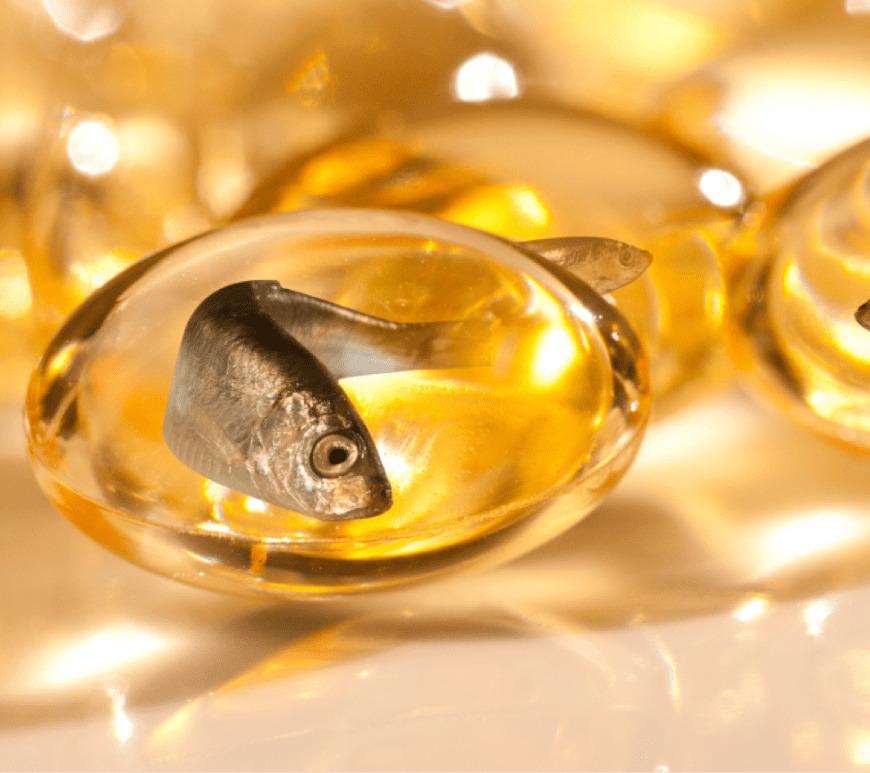
Omega-3 Supplements Tackle Asthma in Children 

      By Rideeta Raquib ‘19   Fish oil is an essential food that is often recommended to boost Omega-3 fats. An insufficient consumption of n-3 long-chain polyunsaturated fatty acids (LCPUFAs) may contribute towards wheezing disorders. A study conducted at the University of Waterloo analyzed the effect of supplementation with n-3 LCPUFAs in pregnant women on the risk factor of acquiring asthma or wheezing disorders … Continue reading Omega-3 Supplements Tackle Asthma in Children 

The Key to Youth Via Senescent Cell Removal

  Researchers believe the key to anti-aging may be the removal of senescent cells   Rideeta Raquib ‘19 As individuals age, the ability of tissues to carry out adequate function deteriorates and age-related diseases become more prominent. Senescent cells are found in huge quantities of these diseases, but there is not much research done regarding whether these cells caused such degeneration. Senescence occurs when cell … Continue reading The Key to Youth Via Senescent Cell Removal