Research on the presence of carcinogenic compounds in Nigerian smoked fish

by Aaradhana Natarajan ’20 Smoked fish makes up nearly 61% of the dry fish produced in Nigeria. While smoking is a common technique for meat preservation, wood smoke typically produces Polycyclic aromatic compounds (PAHs), which then saturate the fish meat. Professor Isioma Tongo and researchers at the University of Benin in Nigeria studied the concentration of PAHs in four local species of smoked fish and … Continue reading Research on the presence of carcinogenic compounds in Nigerian smoked fish

Authenticity is Key for Successful Relationships

By Amanda Ng ’17 Past research has been consistent in acknowledging the importance of open communication in relationships. However, it is often debated whether self-expression must be authentic to benefit the relationship, or whether a perception of authenticity is enough. Research in this field has shown that authenticity is positively linked with attachment security and caregiving responsiveness. However, this work has depended largely on an … Continue reading Authenticity is Key for Successful Relationships

Study examines the effect of exosomes on osteochondral regeneration

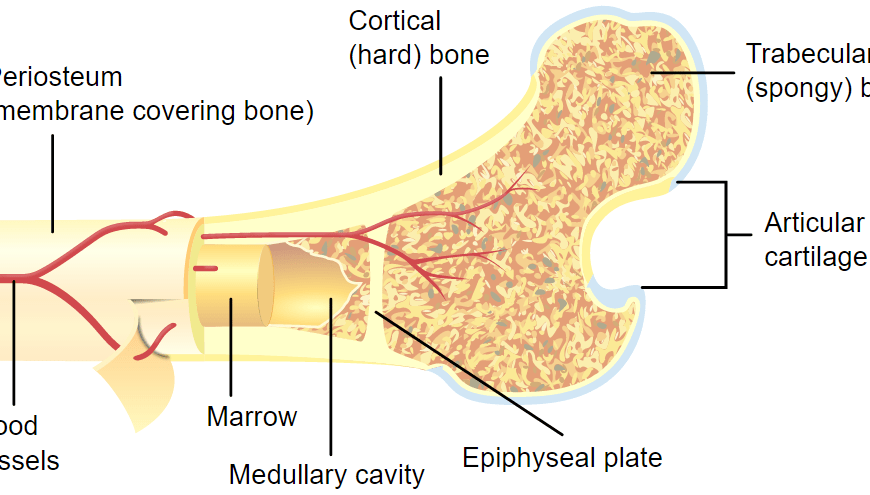
by Aaradhana Natarajan ’20 Adult mesenchymal stem cells (MSCs) are effective in osteoarithritic repair of bone cartilage. Currently, the efficacy of stem cell treatments has been ascribed to the exosomes released by the MSCs. Dr. Zhang and researchers at the National University of Singapore recently investigated the ability of MSC exosomes to treat osteochondral defects. Researchers created osteochondral defects on the trochlear grooves on the … Continue reading Study examines the effect of exosomes on osteochondral regeneration

Anxious Anxiety Related to Financial Stress Vulnerability

By Amanda Ng ’17 Past research has shown that for most people, financial stress can lead to certain maladaptive behaviors, such as negative feelings or aversion of this stress altogether. However, some individuals seem to be more susceptible to financial stress than others. Psychologists have explored several theories concerning this susceptibility, one of which involves analyzing an individual’s level of attachment anxiety and higher levels … Continue reading Anxious Anxiety Related to Financial Stress Vulnerability

Curcumin has the potential to alterations caused by ischemia

by Aaradhana Natarajan ’20 Ischemia can result when blood flow is severely reduced. The lack of sufficient oxygen and glucose causes cells to inflame as the body tries to regain homeostasis. Dr. Glaura Fernandes Teixeira de Alcântara and researchers at Estacio of Juazeiro da Norte in Brazil studied the neuroprotective ability of curcumin for global cerebral ischemia in the hippocampus. The researchers used a rat … Continue reading Curcumin has the potential to alterations caused by ischemia

Omega-3 Supplements Tackle Asthma in Children 

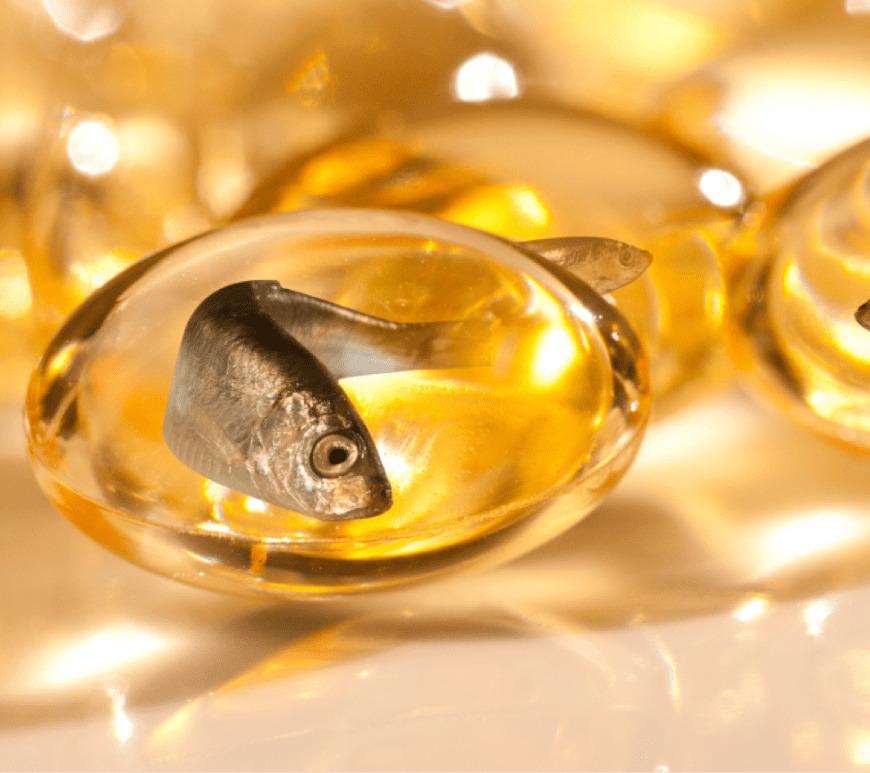
      By Rideeta Raquib ‘19   Fish oil is an essential food that is often recommended to boost Omega-3 fats. An insufficient consumption of n-3 long-chain polyunsaturated fatty acids (LCPUFAs) may contribute towards wheezing disorders. A study conducted at the University of Waterloo analyzed the effect of supplementation with n-3 LCPUFAs in pregnant women on the risk factor of acquiring asthma or wheezing disorders … Continue reading Omega-3 Supplements Tackle Asthma in Children 

The Key to Youth Via Senescent Cell Removal

  Researchers believe the key to anti-aging may be the removal of senescent cells   Rideeta Raquib ‘19 As individuals age, the ability of tissues to carry out adequate function deteriorates and age-related diseases become more prominent. Senescent cells are found in huge quantities of these diseases, but there is not much research done regarding whether these cells caused such degeneration. Senescence occurs when cell … Continue reading The Key to Youth Via Senescent Cell Removal

Isolated Antibodies Protect Against Zika in Mice

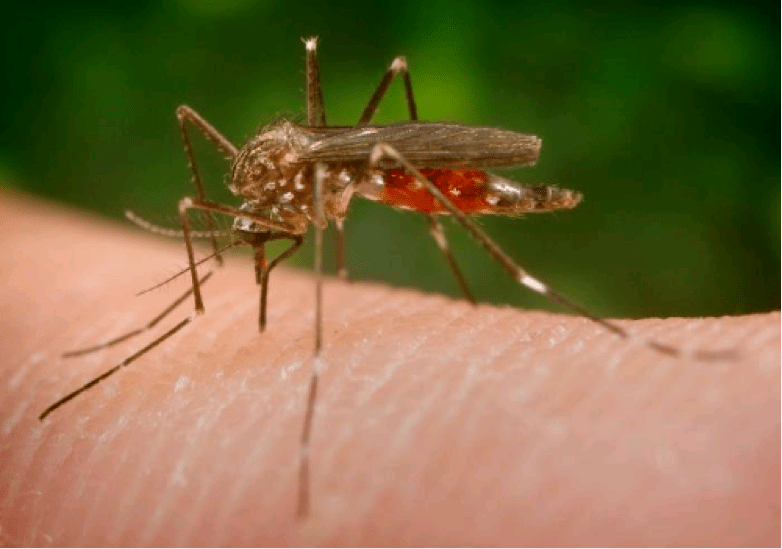
An antibody found in humans might be able to fight the Zika virus which is transmitted through mosquitos. Patrick Yang ‘20 Zika virus’s 2015-2016 outbreak that infected more than 80,000 people gained much attention because of the severe birth defects caused by it. Although Zika is no longer an international public health emergency, treatment and preventative measures must still be developed in anticipation for a … Continue reading Isolated Antibodies Protect Against Zika in Mice

Enzyme in Soil Bacteria Inhibits Biofilm Formation

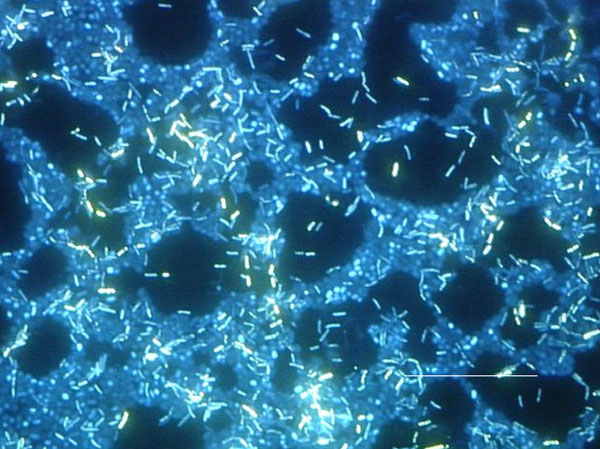
      Patrick Yang ‘20 Pseudomonas aeruginosa is a multidrug resistant bacterium responsible for serious medical illnesses, such as pneumonia, sepsis, and cystic fibrosis. The bacterium produces a metabolite called pyocyanin, which largely contributes towards the pathogen’s toxicity. A recent discovery found that pyocyanin also aids in the aggregation of bacteria to form biofilm. Biofilm, a community of microorganisms that is resistant to conventional … Continue reading Enzyme in Soil Bacteria Inhibits Biofilm Formation

Climate Change Triggers Local Extinctions

    By Patrick Yang ‘20 Average annual temperatures worldwide have reached an approximate 1°C increase since 1880 – a shift hardly noticeable to humans, but a harbinger of biodiversity loss in plants and animals, especially in warmer regions. Past models have predicted 0% to >50% species loss due to future climate change. However, the extent of biodiversity loss is much harder to ascertain because … Continue reading Climate Change Triggers Local Extinctions

Harvesting Energy with Magnetic Springs

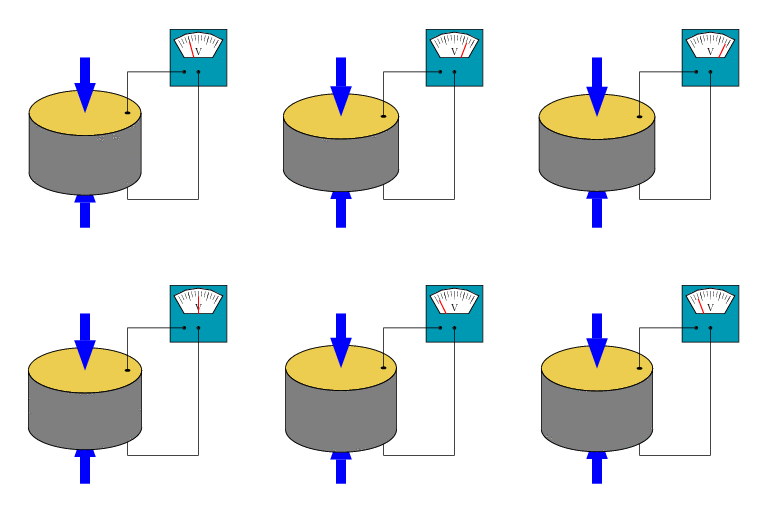
      Michael D’Agati ‘18 Developing better ways to power portable electronic or wireless sensor systems has become more desirable in our increasingly mobile world. Multiple projects have proposed harvesting mechanical stresses from the human body to power these devices, but many of them use piezoelectric materials, which create current in a circuit due to changes in pressures on the material. Many small piezoelectric … Continue reading Harvesting Energy with Magnetic Springs

Creating Electricity Using the Motion of the Body

    Michael D’Agati ‘18 Wearable electronics, such as the Fitbit and Apple Watch, have started to flood the consumer marketplace. Flexible energy sources, rather than traditional batteries, are garnering more popularity to power this wearable technology because energy created by a moving human body – an unlimited power source – can be harvested and used to power them. A team of researchers led by … Continue reading Creating Electricity Using the Motion of the Body