Figure 1. Biodiversity loss is partially compensated by the altered behaviors of remaining organisms.

Extinction of a Species is Compensated by Remaining Ecosystem

By Patrick Yang ’20 Biodiversity loss is often associated with ecosystem degradation because it is assumed that a species’ ecological role vanishes along with the species in the case of extinction. Current models of ecosystems utilize this assumption and predict an accelerated decline in ecological properties as biodiversity loss increases. Although this is a logical prediction, Dr. Martin Solan at the University of Southampton and … Continue reading Extinction of a Species is Compensated by Remaining Ecosystem


Figure 1. Understanding how weather and seasonal changes affects an individual's mood may help us better understand and improve travel satisfaction.

Will Weather Affect Traveling Mood?

By Eshani Goradia ’19   Most of us have felt rejuvenated or suppressed by the weather at some point in our lives. However, we probably haven’t taken the time to see and record how the weather is actually affecting our behavior. Although many studies in the past investigated the association between season and mood, scientists have not delved into how weather and seasons influence satisfaction … Continue reading Will Weather Affect Traveling Mood?

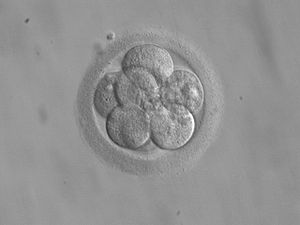
Figure 1. Close interaction between embryonic trophoblast stem cells and embryonic stem cells resembles natural embryo development.

Scientists Create First Ever Artificial Embryo

By Patrick Yang ’20   Embryo development has been a very limited and sanctioned field of research due to concern for the pregnant mother. Although safety is a priority for live subjects, research in this area could improve understanding of optimal prenatal conditions, as well as the molecular interactions between embryonic stem cells. Researchers have thus entertained the idea of an artificial embryo because it … Continue reading Scientists Create First Ever Artificial Embryo

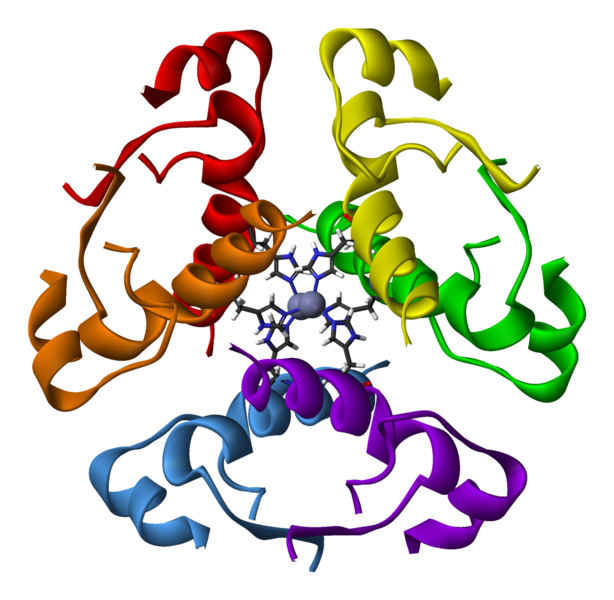
Glucose Transportation

      By: Richard Liang 18’  Insulin is an important signaling factor in glucose uptake, acting in concert with glucose transporter GLUT4 to transport glucose into skeletal muscle and adipose tissue. In the presence of insulin, GLUT4 is translocated to the plasma membrane where an exocyst complex tethers the GLUT4 to the membrane, a process that requires G protein RalA to bind to the … Continue reading Glucose Transportation

Improving Influenza Vaccine Efficacy Sans Adjuvants

    By: Richard Liang 18’ Vaccination is one of the best methods to guard against influenza, as it allows human dendritic cells (DCs) to promote long-term adaptive immunity. Due to the rapid pace of influenza mutation, the composition of influenza vaccines varies annually, with a focus on immunogenicity as opposed to vaccine efficacy. To improve efficacy, immunological agents known as adjuvants can be added … Continue reading Improving Influenza Vaccine Efficacy Sans Adjuvants

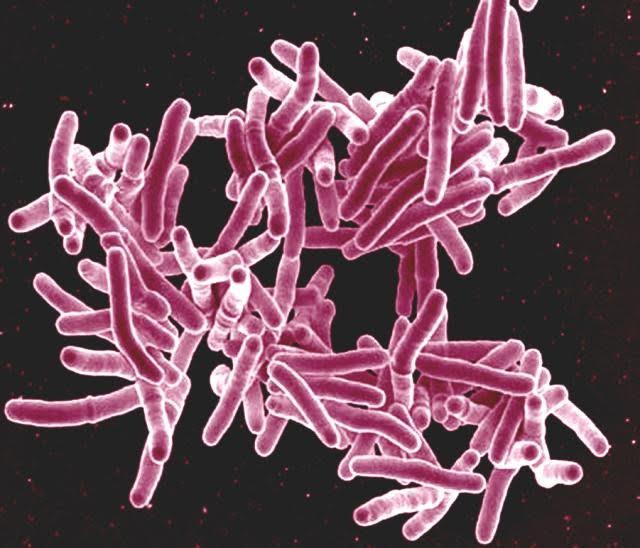
Using SIRT1 Activators to Treat Tuberculosis

    By: Richard Liang 18’ Tuberculosis (TB) is a highly infectious disease that can remain dormant for many years. Currently, treatment options are limited by Mycobacterium tuberculosis’s ability evade the immune system and mutate into drug-resistant strains. Outbreaks are a more pressing concern in developing countries, where health care is less accessible. In a recent study led by Catherine Y. Cheng from the Singapore … Continue reading Using SIRT1 Activators to Treat Tuberculosis

The Importance of Synthetic Core Promoters in Yeast Fine-Tuning Expression

    By Caleb Sooknanan ‘20 In genetic engineering, metabolic pathways and genetic circuits can be manipulated in microbes to produce chemicals or activate certain functions. To do this, gene expression must be fine-tuned to balance and optimize protein levels of metabolic enzymes or regulators.  Manipulating these in unicellular eukaryotes often involves core promoter sequences, the minimal portion of the promoter required to initiate DNA … Continue reading The Importance of Synthetic Core Promoters in Yeast Fine-Tuning Expression

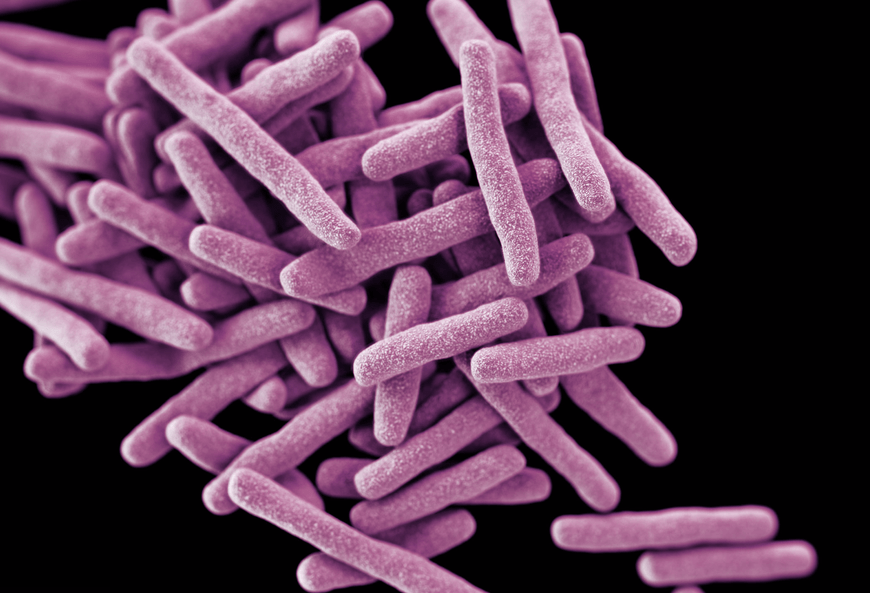
Peptide Microarrays Can Identify Tuberculosis Antibody Responses

  By Caleb Sooknanan ’20 Tuberculosis (TB) is the world’s most prominent cause of death by infection. Scientists have become increasingly interested in the humoral immune responses associated with TB, but it is difficult to find the antigenic targets that correspond to specific stages of TB infection and disease. Dr. Davide Valentini and researchers at Karolinska Institutet conducted a study to determine whether peptide microarray … Continue reading Peptide Microarrays Can Identify Tuberculosis Antibody Responses

Photocurable Bioinks and 3D-Printed Hydrophilic Drugs

  By Caleb Sooknanan ’20 Pharmaceutical dosages are often defined as the amount of active pharmaceutical ingredient (API) that has a therapeutic effect in the most patients. Using such a generalized method does not account for variations in patient genomic and pathophysiological status, leading to potential negative side-effects. Personalized medicine intends to provide patients with more individualized API concentrations in their prescriptions. However, changes in … Continue reading Photocurable Bioinks and 3D-Printed Hydrophilic Drugs

Relearn Faster and Retain Longer

    By Ericka Berman As established, repetitive practice is necessary for knowledge retention. Sleep is also a contributing factor to new learning and memory consolidation. In this study, Dr. Mazza and the team of researchers recruited 40 participants ages 18-29 from University of Lyon, who were randomly assigned to one of two groups. For this study, participants were asked to remember 16 Swahili-French words pairs. … Continue reading Relearn Faster and Retain Longer

Hnery Ng

Interview with Student Researcher Henry Ng

This past month, one of our cabinet members, Benjamin Kerner, had the opportunity to sit down with Henry Ng, a prominent student researcher here at Stony Brook. B: Alright so first question, what is your name, major, and department? H: I’m Henry Ng, and I’m a Biology major, specializing in developmental genetics. I am also a chemistry minor, because chemistry is great. I love it. … Continue reading Interview with Student Researcher Henry Ng

Figure 1. Mammalian brains can be influenced by non-genetic and Allele-Specific expression

Sending Your Grandparents to University Increases Cognitive Reserve: The Tasmanian Healthy Brain Project

By Ericka Berman   One way to decrease the likelihood of Alzheimer’s disease is by increasing cognitive reserves (CR). Research supports the idea that education, intelligence, and cognitively stimulating activities modify the risk for dementia. CR is a theoretical construct, so it is measured indirectly. Dr. Megan Lenehan and her team of researchers used data from 459 participants ages 50-79 from the Tasmanian Healthy Brain Project … Continue reading Sending Your Grandparents to University Increases Cognitive Reserve: The Tasmanian Healthy Brain Project