Humanity’s Evolution: Natural or Engineered

Fiona Wong, Grade 12 From the humans that swarm the world’s bustling city streets, to every blade of grass lining our front lawns, all of these organisms are made of DNA – and all forms of DNA are composed of four essential building blocks: adenine, thymine, guanine, and cytosine (1). The key differences that contribute to human individuality lie in our DNA sequences; genes code … Continue reading Humanity’s Evolution: Natural or Engineered

Inhibition of Hydrolytic Enzyme May Protect Against Manifestation of AD-Linked Phenotypes

Author: Vignesh Subramanian, Class of 2024 Figure 1: Barnes maze tests were performed to assess the spatial reference memory of the knock-in AD mouse models. Alzheimer’s disease (AD) is a progressive, neurodegenerative disease characterized by significant memory loss and cognitive decline that worsen with age. While the disease’s long-established hallmarks include the aggregation of two misfolded proteins known as beta-amyloid and phosphorylated tau, recent research … Continue reading Inhibition of Hydrolytic Enzyme May Protect Against Manifestation of AD-Linked Phenotypes

Watermelon Snow: A Medium for Antibiotic Resistance Research

Author: Marie Collison, Class of ‘25 A common adaptation of bacteria is antibiotic resistance, a very important field of study in microbiology and medicine. Antibiotic resistance genes (ARGs) can arise naturally and exist as an important natural survival tool for bacteria. ARGs have risen in frequency in human-inhabited regions as a result of increased use of antibiotics. As a result, there is growing concern over … Continue reading Watermelon Snow: A Medium for Antibiotic Resistance Research

Exploring the Biodiversity Inhabiting Sponges of the Great Barrier Reef

Author: Marie Collison, Class of ‘25 Sponges are a diverse group of multicellular organisms that inhabit aquatic ecosystems all over the globe. Scientists estimate that there are over 9000 unique species of sponges. The vast diversity of sponges enables them to provide a diverse range of habitats for a variety of aquatic taxa. They provide structure to environments that otherwise have minimal variation in elevation. … Continue reading Exploring the Biodiversity Inhabiting Sponges of the Great Barrier Reef

Lack of CLOCK Regulator Protein May Predict Focal Seizure Susceptibility

By Vignesh Subramanian ’24 Focal seizure activity originates at particular foci﹣those being lobes, regions or hemispheres – of abnormal brain tissue and may emanate outward.  Epilepsy is a chronic central nervous system disorder characterized by uncontrolled electrical activity in the brain that triggers recurrent, spontaneous seizures. The majority of new epilepsy cases involve focal epilepsy, in which seizure activity originates in a particular “focus” or … Continue reading Lack of CLOCK Regulator Protein May Predict Focal Seizure Susceptibility

Newly Discovered Functions of MAIT Cells Suggests a Possible Target for Immunotherapy and Vaccine Treatments

Sooraj Shah ’24 While much focus has been given to the COVID-19 pandemic, autoimmune diseases, such as lupus, also affect seven percent of the American population. Recent research suggests a potential link between mucosal-associated invariant T (MAIT) cells and the two diseases, as both COVID-19 and autoimmune diseases trigger increased MAIT cell response. A study led by Dr. Charles Vorkas, a professor in the Department … Continue reading Newly Discovered Functions of MAIT Cells Suggests a Possible Target for Immunotherapy and Vaccine Treatments

Exosomes: A Surprising Key to Spinal Injury Recovery

Alex Moir ’23 Exosomes, which carry biomolecular cargo around the body, are a group of vesicles secreted by almost all human cells. Exosomal delivery is also cell-specific, as the outer membrane surface of exosomes contains molecules that only bind with target recipient cell membranes. Recent research has suggested exosomes may play a role in wound healing and cell repair at sites of tissue damage, positioning … Continue reading Exosomes: A Surprising Key to Spinal Injury Recovery

A New Potential Vaccine Candidate for Staphylococcus aureus

Alex Moir ’23 Staphylococcus aureus (S. aureus) is a bacterium often found in both skin and the upper respiratory tract. Despite its native status in the human body, S. aureus can also act as an opportunistic pathogen in immunocompromised hosts. Efforts to create an effective S. aureus vaccine have so far proven unsuccessful due to the diverse array of immunoevasive strategies S. aureus employs. Specifically, … Continue reading A New Potential Vaccine Candidate for Staphylococcus aureus

Uncovering the Link Between SARS-CoV-2 and Vascular Dysregulation

Alex Moir ’23 SARS-CoV-2 is the virus currently driving the COVID-19 pandemic. SARS-CoV-2 has been shown to infect ciliated epithelial cells (EPCs), which line the upper respiratory tract, through a cell surface receptor known as angiotensin-converting enzyme 2 (ACE2), resulting in Acute Respiratory Distress Syndrome (ARDS). ARDS is characterized by both pulmonary and vascular dysregulation, which presents as shortness of breath, low oxygen, and poor … Continue reading Uncovering the Link Between SARS-CoV-2 and Vascular Dysregulation

The Future of Synthetic Biology

Aditi Kaveti ‘23 Natural genetic processes can lose their function over long-term evolution if that function requires too many resources to continue throughout generations. Scientists have been studying evolutionary reversibility, which is the ability to regain a lost function, in order to repair natural systems that have lost such valuable evolutionary processes. To this end in the field of synthetic biology, researchers employ and manipulate … Continue reading The Future of Synthetic Biology

Discovering the Role of the Neuropilin Pain Pathway in Asymptomatic COVID-19 Cases

Aditi Kaveti ’23 In the United States, there have been more than 7 million documented cases of COVID-19, leading to over 200,000 deaths nationwide. This high number of cases is due to the rapid spread of the deadly disease, which is caused by a virus called SARS-CoV-2. Many researchers believe that the rapid spread can be in part attributed to a high number of asymptomatic … Continue reading Discovering the Role of the Neuropilin Pain Pathway in Asymptomatic COVID-19 Cases

Melittin: A Natural Peptide from Bee Venom Which Induces Apoptosis in Human Leukemia Cells

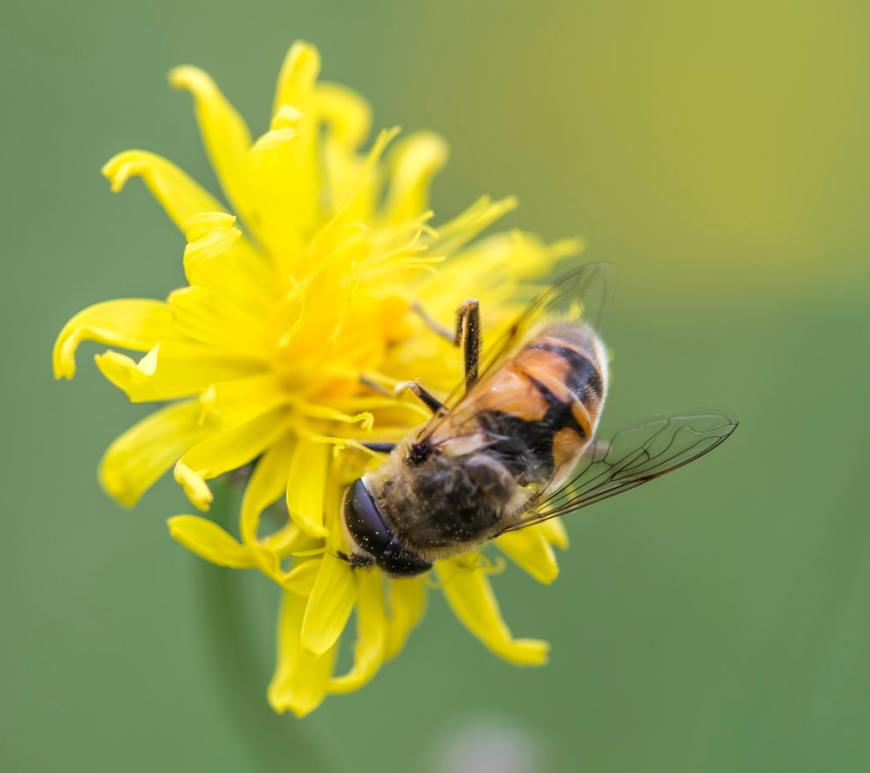
Thumyat Noe ’23 Past research has shown that honeybee’s venom has the potential to treat various diseases such as arthritis, chronic pain, cancer, and atopic dermatitis. The venom mostly consists of peptides and low molecular weight compounds such as sugars and amino acids. Melittin is one of the peptides found within honeybee’s venom and possesses the most bioactive properties among all the compounds in the … Continue reading Melittin: A Natural Peptide from Bee Venom Which Induces Apoptosis in Human Leukemia Cells