FOXO1: A Memory Upgrader for T-cells!

Author: Farzad Hoque, Class of 2028 The persistence and effectiveness of chimeric antigen receptor (CAR) T-cell therapies depend significantly on the ability of these cells to maintain memory-like states while avoiding exhaustion. Recent research has identified the transcription factor FOXO1 as a critical regulator of memory programming in CAR T cells, offering transformative insights into improving therapeutic outcomes. Alexander E. Doan and colleagues conducted a … Continue reading FOXO1: A Memory Upgrader for T-cells!

Humanity’s Evolution: Natural or Engineered

Fiona Wong, Grade 12 From the humans that swarm the world’s bustling city streets, to every blade of grass lining our front lawns, all of these organisms are made of DNA – and all forms of DNA are composed of four essential building blocks: adenine, thymine, guanine, and cytosine (1). The key differences that contribute to human individuality lie in our DNA sequences; genes code … Continue reading Humanity’s Evolution: Natural or Engineered

Inhibition of Hydrolytic Enzyme May Protect Against Manifestation of AD-Linked Phenotypes

Author: Vignesh Subramanian, Class of 2024 Figure 1: Barnes maze tests were performed to assess the spatial reference memory of the knock-in AD mouse models. Alzheimer’s disease (AD) is a progressive, neurodegenerative disease characterized by significant memory loss and cognitive decline that worsen with age. While the disease’s long-established hallmarks include the aggregation of two misfolded proteins known as beta-amyloid and phosphorylated tau, recent research … Continue reading Inhibition of Hydrolytic Enzyme May Protect Against Manifestation of AD-Linked Phenotypes

Watermelon Snow: A Medium for Antibiotic Resistance Research

Author: Marie Collison, Class of ‘25 A common adaptation of bacteria is antibiotic resistance, a very important field of study in microbiology and medicine. Antibiotic resistance genes (ARGs) can arise naturally and exist as an important natural survival tool for bacteria. ARGs have risen in frequency in human-inhabited regions as a result of increased use of antibiotics. As a result, there is growing concern over … Continue reading Watermelon Snow: A Medium for Antibiotic Resistance Research

Fish Out of Water: Uncovering the Mechanisms for Survival in Extreme Environments

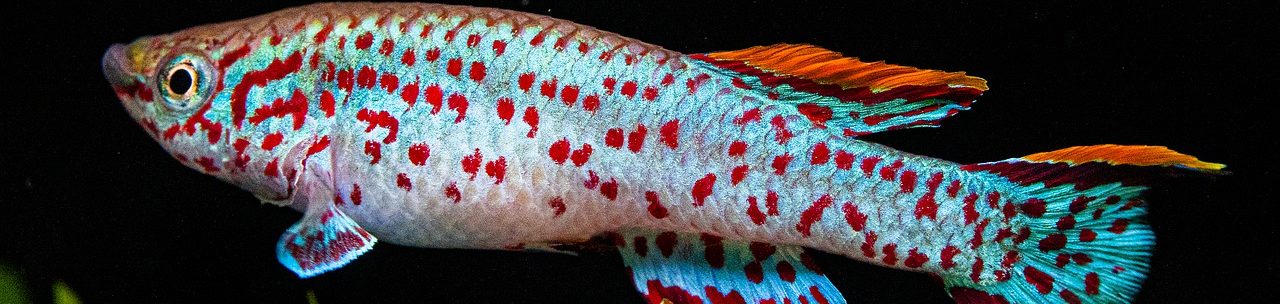
Peter Gillespie ’25 Most fish, when left without water, will simply not survive. However, research from Dr. Chi-Kuo Hu from Stony Brook University reveals how the embryos of the African turquoise killifish can survive eight-month long droughts in a dormant state known as diapause. Diapause is a state of suspended animation during which a fully developed killifish may temporarily halt its development. Dr. Hu and … Continue reading Fish Out of Water: Uncovering the Mechanisms for Survival in Extreme Environments

Muscle Preservation and Metabolism-Associated Genes Show Activity During Diapause

Joyce Chen ’23 As time progresses, all living organisms will age, decay, and perish. However, there are certain animal species that can halt their biological clocks and no longer develop. This state is known as diapause. The African Killifish are known organisms that can undergo diapause in order to survive unfavorable conditions, such as dry periods in the environment. Many of these fish remain in … Continue reading Muscle Preservation and Metabolism-Associated Genes Show Activity During Diapause

The Future of Synthetic Biology

Aditi Kaveti ‘23 Natural genetic processes can lose their function over long-term evolution if that function requires too many resources to continue throughout generations. Scientists have been studying evolutionary reversibility, which is the ability to regain a lost function, in order to repair natural systems that have lost such valuable evolutionary processes. To this end in the field of synthetic biology, researchers employ and manipulate … Continue reading The Future of Synthetic Biology

The Genetic Role of Left-Handedness

Ellie Teng ’21 90% of the population are right- handed, so what is different about individuals who are left- handed? Handedness was previously known to be partially affected by the genome; twin studies showed that genes account for about 25% of the variation in handedness. Researchers at the University of Oxford sought to connect the genetic difference to areas of the brain that control language. … Continue reading The Genetic Role of Left-Handedness

A Novel Approach to Treating Psychopathy Associated with Huntington’s Disease.

By Snigdha Kanadibhotla ‘21 Characterized by uncontrollable and spastic movements, Huntington’s Disease (HD) is a fatal neurodegenerative disorder that is estimated to affect about 1 in 10,000 people in the United States (1). HD has pervasive effects that damage neurons in brain regions associated with mobility, emotion, and intellectual capacity leading to symptoms such as depression, anxiety, and difficulty learning. Despite its complex and varied … Continue reading A Novel Approach to Treating Psychopathy Associated with Huntington’s Disease.

Reducing Cancer Metastasis with Gene Target Therapy

Caleb Sooknanan ‘20 Cancer metastasis refers to the spread of cancer cells from an original tumor to another bodily region through a subject’s blood or lymph systems. The possibility of cancer cells entering a subject’s blood stream is mainly dependent upon the motility of cancer cells within the subject’s body. However, more research is needed to understand and detect the genes that account for cancer … Continue reading Reducing Cancer Metastasis with Gene Target Therapy

Investigating Genetic Variation and Selection in Starfish Species Piaster ochraceus

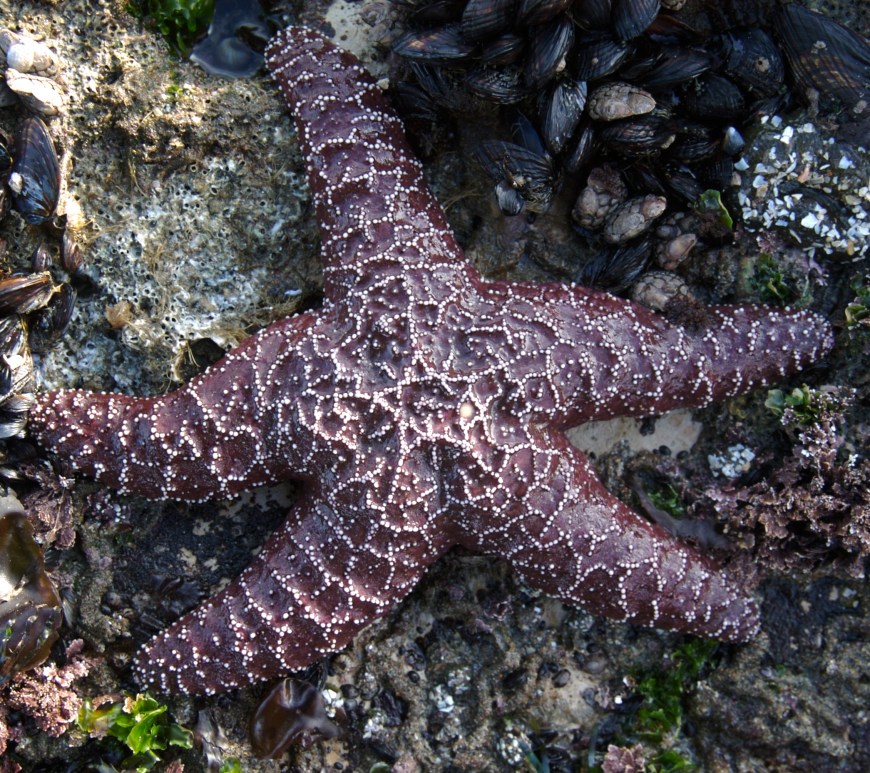
Stephanie Budhan ’21 Extreme environmental disturbances, such as a natural disaster or epidemics, dramatically impact animal population survival. These events have the potential to eliminate entire species, and affect the gene pool or the frequency of certain genes within the population. However, scientists observing these natural disasters and their subsequent effects can be difficult due to their sporadic occurrence. A study conducted by Dr. Lauren … Continue reading Investigating Genetic Variation and Selection in Starfish Species Piaster ochraceus

School Type Does Not Determine Individual Academic Success

By Maryna Mullerman ’20 It is generally thought that students graduating from selective schools have a greater chance at higher levels of academic achievement. A study conducted by Emily Smith-Woolley and researchers from King’s College London investigated the roles of genetics and school selectivity in pupils’ academic success. The study compared the General Certificate of Secondary Education (GCSE) test scores of students from state-funded non-selective, … Continue reading School Type Does Not Determine Individual Academic Success