Implementation of Nitric Oxide Protein and Signaling Pathways for Prevention of Bacterial Infection in Medical Implants

Eimaan Bilal, Class of 2028 Many individuals rely on medical implants to improve their quality of life, but such internal devices are prone to bacteria attaching to the implant’s surfaces. This can create a biofilm that produces an exopolysaccharide matrix, increasing one’s risk for certain chronic infections and resistance to antibiotics. It has been hypothesized that biofilm regulation could be achieved by targeting how biofilms … Continue reading Implementation of Nitric Oxide Protein and Signaling Pathways for Prevention of Bacterial Infection in Medical Implants

Bupropion as a Possible Treatment for COVID-19-Related Brain Fog

Jessica George ’24 The COVID-19 pandemic has affected millions of people worldwide, and many have reported persistent symptoms even after recovery from the initial infection. One of the most common long-term symptoms reported is “brain fog,” a condition characterized by cognitive impairments such as memory loss, difficulty concentrating, and mental fatigue. A recent case series published by Dr. Samuel Reinfeld from the Stony Brook University … Continue reading Bupropion as a Possible Treatment for COVID-19-Related Brain Fog

AI-Assisted Readings May Greatly Improve Fracture Diagnosis

Sooraj Shah ’24 The detection of fractures via radiography is one of the most highly used practices in clinical settings such as the emergency room, urgent care, orthopedic and rheumatology offices. The missed fracture diagnosis rate is between 1-3%, accounting for almost 1,200 of every 100,000 patients. A major cause of missed fractures is erroneous initial readings by residents or non-radiologists, which are only corrected … Continue reading AI-Assisted Readings May Greatly Improve Fracture Diagnosis

COVID-19 Causes Increased Anxiety In Lung Cancer Patients

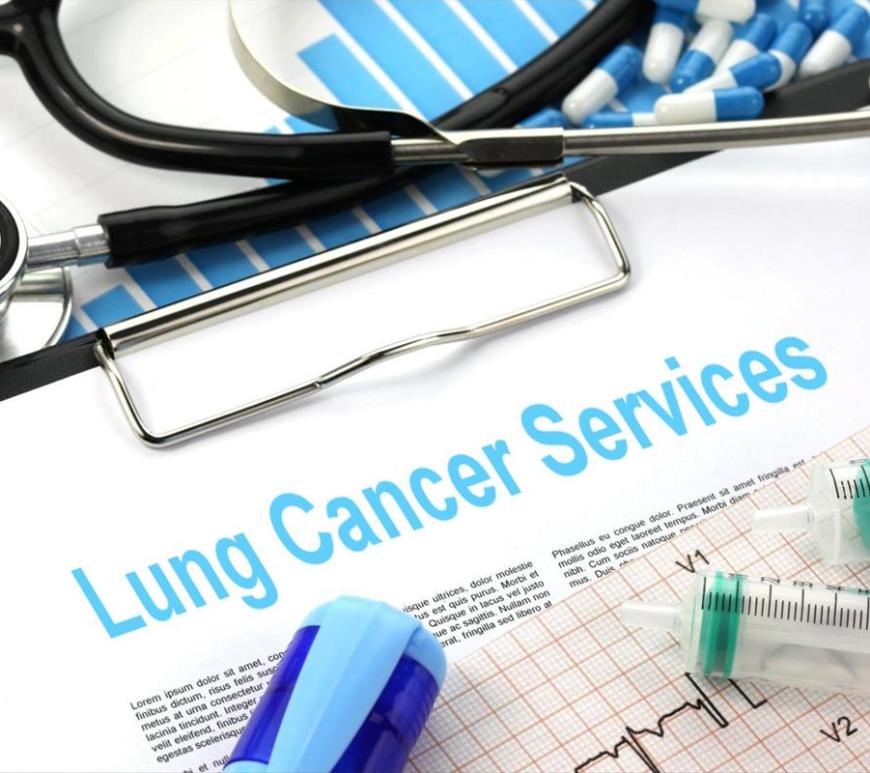
Figure 1: Stony Brook University research team finds significant increase in psychological stress among lung cancer patients during pandemic. Zhifei Zeng ’23 COVID-19, which has ravaged the world, is still a public health concern and there are multiple theories about the cause of severe COVID-19 infection in young people. Previous research on genetic factors associated with severe COVID-19 has been limited to the gene pool … Continue reading COVID-19 Causes Increased Anxiety In Lung Cancer Patients

Exercise it Out: Using Exercise as a Tool to Combat Burnout in Nursing Students

Thumyat Noe ’23 Nursing students participate in internships at the end of their education to increase efficiency of clinical practices. This transition from student-to work-life is often stressful, causing many nursing students to experience burnout, a psychosocial problem characterized by emotional exhaustion, loss of enthusiasm, and depersonalization. Constant stress and feelings of hopelessness can be detrimental to the well-being and academic success of nursing students; … Continue reading Exercise it Out: Using Exercise as a Tool to Combat Burnout in Nursing Students

From Sugars to Medicine: Advancements in Selective Carbohydrate Modification

Peter Gillespie ’25 What if simple sugars could be turned into vital medicines? Dr. Ming-Yu Ngai and his team at Stony Brook University are making this dream a reality.  Due to their relevance in cell-cell recognition, protein folding, inflammation, and infection, carbohydrate modification poses an intriguing avenue through which scientists can treat issues from viral infection to malfunctions in protein folding. Changing the character of … Continue reading From Sugars to Medicine: Advancements in Selective Carbohydrate Modification

Making Magic in Medical Settings: How Magic May Improve the Patient-Student Connection

Thumyat Noe ’23 Many medical students often find themselves feeling emotionally detached from the illness experiences of patients. To combat this sentiment, medical education curricula recommend that students gain clinical immersion experience early to enhance students’ awareness of the patient experience. Past clinical findings suggest that performing magic acts as part of clinical immersion experience can further improve relations between medical staff and child patients. … Continue reading Making Magic in Medical Settings: How Magic May Improve the Patient-Student Connection

Investigating Interleukin-17 Activity: One Step Closer to Treating Crohn’s Disease?

Sooraj Shah ’24 About 3 million Americans have been diagnosed with Crohn’s disease, a type of inflammatory bowel disease (IBD), with foreboding statistics indicating a rise in the disease’s prevalence. Crohn’s disease debilitates a patient through inflammation of the digestive tract, leading to severe pain and cramping in the abdominal area. The inflammation associated with the IBD is a response to invading pathogens by a … Continue reading Investigating Interleukin-17 Activity: One Step Closer to Treating Crohn’s Disease?

Using Modified Guide Strands to Broaden Therapeutic Use of miRNAs for Breast Cancer

Ishmam Khan ’25 Triple-negative breast cancers (TNBCs) are a type of breast cancer that does not respond to traditional hormonal therapy. Despite TNBCs encompassing 10-20% of all breast cancers, TNBCs are significantly more aggressive than other breast cancers and have worse overall survival rates.  These cancers often offer patients a poor prognosis due to their high rates of proliferation and chemoresistance. A research group at … Continue reading Using Modified Guide Strands to Broaden Therapeutic Use of miRNAs for Breast Cancer

Whales: Uncovering a Long Lost Secret of Scoliosis

Ayesha Azeem ‘23 Scoliosis is a deformity of the spine and trunk, and is often caused by traumatic injury, syndromic conditions, or neuromuscular disease. In mammals, the development of scoliosis with no underlying cause, idiopathic scoliosis, is only seen in humans. While the most common form of scoliosis is idiopathic, not enough is known about its origins and why scoliosis can be induced relatively easily … Continue reading Whales: Uncovering a Long Lost Secret of Scoliosis

How Telehealth Visits Raise Standard of Patient Care

Ayesha Azeem ‘23 The COVID-19 pandemic has dramatically affected all aspects of the healthcare field, especially inpatient care. When the lockdowns began, emergency surgeries remained unaffected while elective surgeries, like weight loss (bariatric) surgeries, were immediately given lesser priority. In outpatient interactions, many providers had to rapidly adjust to telemedicine to continue accommodating healthcare and keep the community safe from virus transmission. Interestingly, telemedicine had … Continue reading How Telehealth Visits Raise Standard of Patient Care

Angioplasty and Stenting Procedure Risks Worsening Ischemic Stroke Prognosis

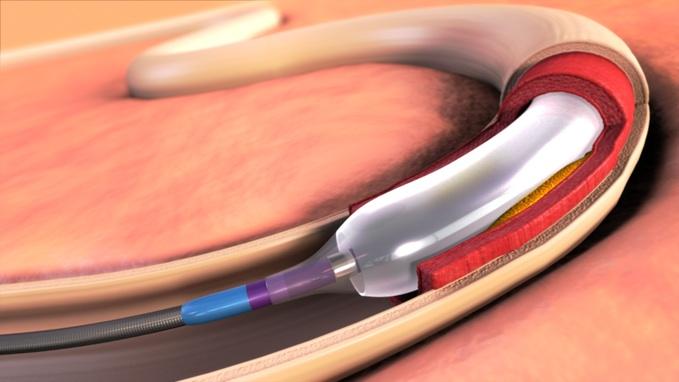
Vignesh Subramanian ’24 Intracranial atherosclerotic stenosis (ICAS) – the progressive narrowing of, and restriction of blood flow to, a major artery in the brain – is among the most common causes of ischemic stroke as well as recurrent stroke of any subtype. ICAS is responsible for the gradual obstruction of blood supply due to buildup of plaque within vessels, which is typically followed by excessive … Continue reading Angioplasty and Stenting Procedure Risks Worsening Ischemic Stroke Prognosis