Money Matters: Investigating Neural Responses to Monetary and Social Feedback

Thumyat Noe ’23 Depression and social anxiety disorders are two of the most common psychopathologies in adults. One way to identify these disorders is by looking at event-related potentials (ERPs) which are measurable brain responses to stimuli. “Reward positivity” is an event-related potential that reflects neural positivity toward rewards and activation of a reinforcement learning system. Previous studies suggest that smaller reward positivity potentials correlate … Continue reading Money Matters: Investigating Neural Responses to Monetary and Social Feedback

Using Modified Guide Strands to Broaden Therapeutic Use of miRNAs for Breast Cancer

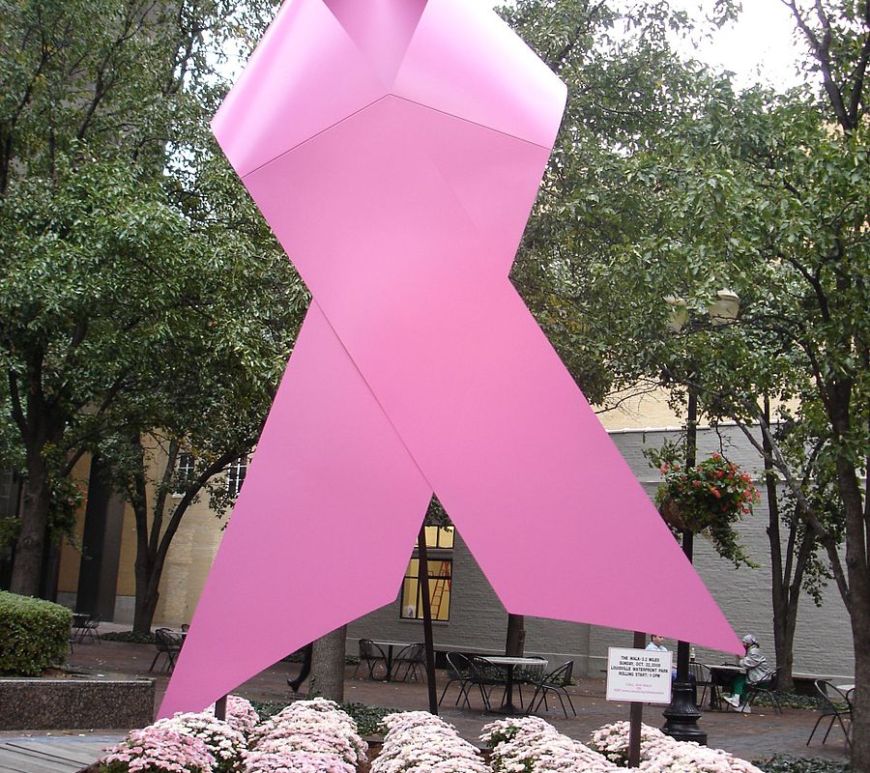
Ishmam Khan ’25 Triple-negative breast cancers (TNBCs) are a type of breast cancer that does not respond to traditional hormonal therapy. Despite TNBCs encompassing 10-20% of all breast cancers, TNBCs are significantly more aggressive than other breast cancers and have worse overall survival rates.  These cancers often offer patients a poor prognosis due to their high rates of proliferation and chemoresistance. A research group at … Continue reading Using Modified Guide Strands to Broaden Therapeutic Use of miRNAs for Breast Cancer

Building a Better Battery: An Alternative to Lithium Ion Batteries

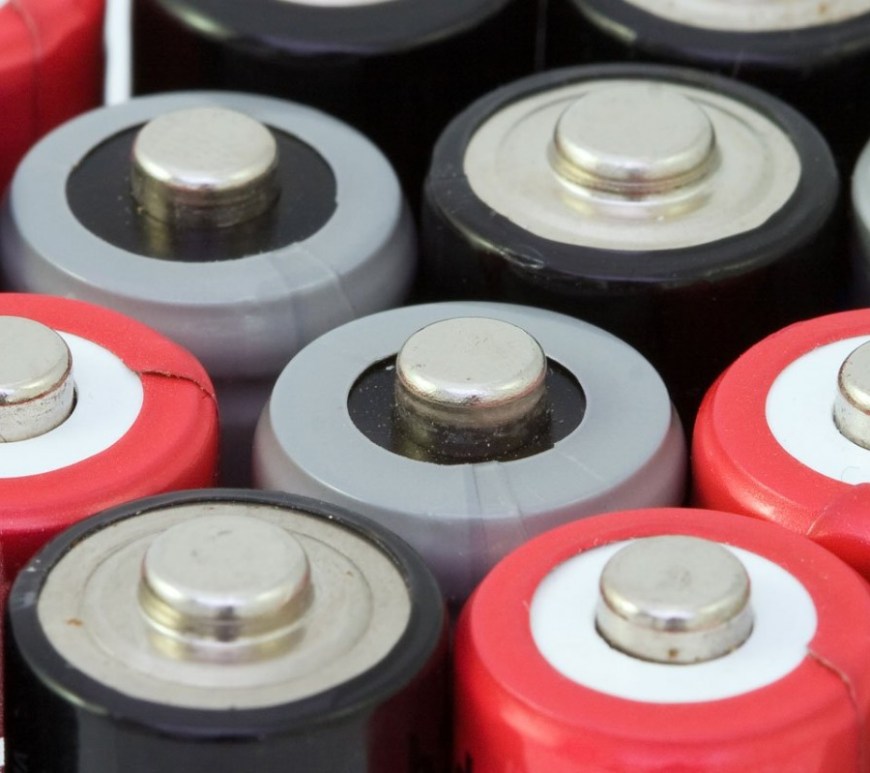
Robyn Rutgers ’24 Due to the negative effects of nonrenewable energy, scientists and environmentalists are trying to shift to cleaner energy sources, such as wind and solar power. One obstacle that engineers face in designing clean-energy solutions is the inefficiency of storing the generated energy, often resulting in large amounts of wasted energy. However, the development of advanced batteries would allow for more efficient storage … Continue reading Building a Better Battery: An Alternative to Lithium Ion Batteries

A New Potential Vaccine Candidate for Staphylococcus aureus

Alex Moir ’23 Staphylococcus aureus (S. aureus) is a bacterium often found in both skin and the upper respiratory tract. Despite its native status in the human body, S. aureus can also act as an opportunistic pathogen in immunocompromised hosts. Efforts to create an effective S. aureus vaccine have so far proven unsuccessful due to the diverse array of immunoevasive strategies S. aureus employs. Specifically, … Continue reading A New Potential Vaccine Candidate for Staphylococcus aureus

Pandemic-related Stress Overwhelms Pregnant Women Globally

Joyce Chen ’23 Within the past year, the onset and duration of the pandemic has wreaked havoc on the world. Aside from the detrimental effects on physical health, the virus has taken a significant impact on mental wellbeing. Many pregnant women have reported feeling heightened levels of stress at this time because they do not feel prepared to give birth and are afraid of their … Continue reading Pandemic-related Stress Overwhelms Pregnant Women Globally

Deep(ly) Learning About Deep Learning

Ishmam Khan ’25 Machine learning is the ability of artificial intelligence to build a model based on previously collected data and use it to identify patterns in a way that simulates human behavior. Many applications branch off from machine learning, such as bioinformatics, the intersection of technology and biology. Recently, researchers at Stony Brook University studied a process called deep learning, a subset of machine … Continue reading Deep(ly) Learning About Deep Learning

Antipsychotics May Increase Risk of Dementia in Schizophrenic Patients

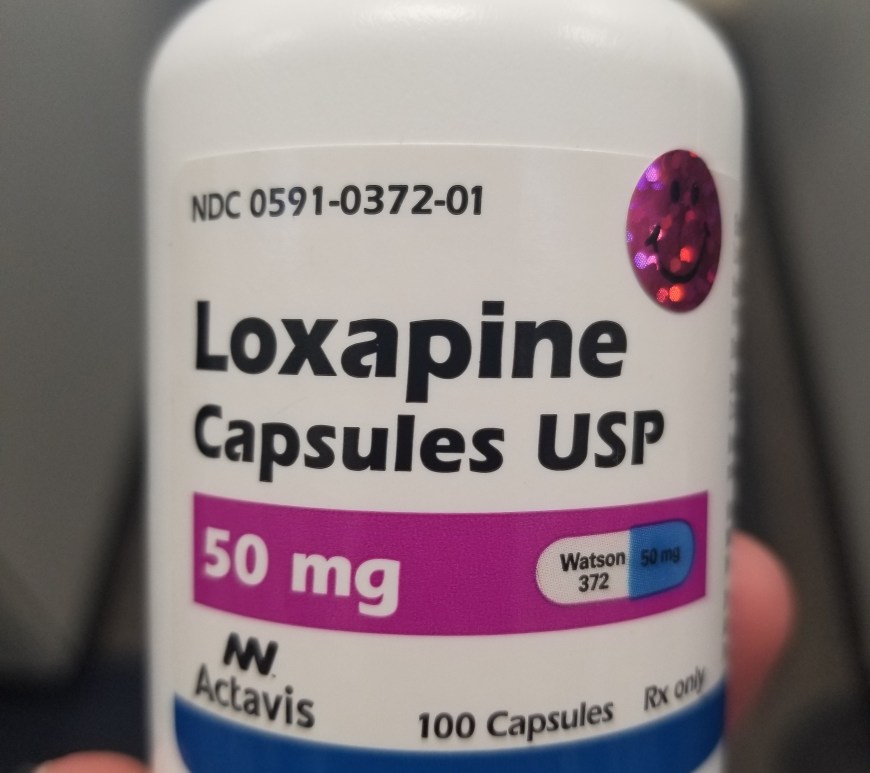
Vignesh Subramanian ’24 Schizophrenia is a psychotic disorder characterized by disorganized behavior, lack of emotional expression, and thoughts and experiences dissociated from reality. Patients who present such symptoms have elevated levels of the neurotransmitter dopamine, the ‘feel-good’ hormone responsible for mediating pleasure and stimulating neurons to carry out vital functions like concentration and motor control. Patients with schizophrenia are prescribed antipsychotic medications, which block binding … Continue reading Antipsychotics May Increase Risk of Dementia in Schizophrenic Patients

The Role of Shamiri Intervention in Fostering Mindsets in Kenyan Adolescents

Thumyat Noe ’23 Adolescent depression and anxiety are prevalent in Sub-Saharan Africa. However, due to lack of mental health resources and social stigma surrounding mental illness, youths suffering from depression and anxiety often do not receive treatment. As such, it is important to improve the psychological well-being of these youths. One possible solution is to use theory-driven treatments called wise interventions, which draw on one’s … Continue reading The Role of Shamiri Intervention in Fostering Mindsets in Kenyan Adolescents

Mentorship for Freshman STEM Students Can Improve Mental Health and Academic Success

Ayesha Azeem ’23 The fields of science, technology, engineering, and mathematics (STEM) have seen an influx of demand over the past few years, with not enough STEM graduates to meet society’s needs. This insufficiency is especially prominent in underrepresented groups in STEM, like women, African Americans, and Latinx. A key contributing factor to the shortage of STEM workers is the difficulty in retaining college students … Continue reading Mentorship for Freshman STEM Students Can Improve Mental Health and Academic Success

Saving for a Rainy Day: How Weather Conditions Influence Investing

Robyn Rutgers ’24 Psychological research indicates that unpleasant weather may influence your physiological and psychological states, leading to pessimism, anxiety, and fatigue. In finance and economics, this weather-induced behavior can impact financial decisions and security prices. Dr. Danling Jiang, a professor of finance at Stony Brook University, studies the influence of psychology on financial markets. To evaluate the impact of experiencing unpleasant weather on immediate … Continue reading Saving for a Rainy Day: How Weather Conditions Influence Investing

Nationwide RCT Single Session Interventions on Depression in Adolescents: COVID-19 edition

Daphne Siozios ’23 Once the coronavirus pandemic emerged, distress due to isolation caused an immediate surge in adolescent depression. While depression in youths was already regarded as the biggest psychosocial adversity prior to COVID-19, newfound disruption of social-emotional support because of direct seclusion resulting from the pandemic has led to elevated depression. By observing randomized controlled trials of brief, scalable interventions, it has been said … Continue reading Nationwide RCT Single Session Interventions on Depression in Adolescents: COVID-19 edition

Uncovering the Link Between SARS-CoV-2 and Vascular Dysregulation

Alex Moir ’23 SARS-CoV-2 is the virus currently driving the COVID-19 pandemic. SARS-CoV-2 has been shown to infect ciliated epithelial cells (EPCs), which line the upper respiratory tract, through a cell surface receptor known as angiotensin-converting enzyme 2 (ACE2), resulting in Acute Respiratory Distress Syndrome (ARDS). ARDS is characterized by both pulmonary and vascular dysregulation, which presents as shortness of breath, low oxygen, and poor … Continue reading Uncovering the Link Between SARS-CoV-2 and Vascular Dysregulation