Epigenetic Age Acceleration More Accurately Predicts Memory Decline Than Chronological Age

Author: Vignesh Subramanian, Class of 2024 Figure 1: Increasing evidence suggests biological aging, measured by examining the extent of methylation of cells’ DNA, is a stronger predictor of diminishing cognitive abilities than chronological age.  Title: Epigenetic Age Acceleration More Accurately Predicts Memory Decline Than Chronological Age Age acceleration is the term used to describe the difference between an individual’s chronological age, the length of time … Continue reading Epigenetic Age Acceleration More Accurately Predicts Memory Decline Than Chronological Age

Novel Therapeutic Insights to Barth Syndrome

Author: Sean Krivitsky ‘26 Barth syndrome is a rare, severe genetic disorder that primarily affects muscle development and the heart’s ability to efficiently pump blood. It is most common in males given that it is an X-linked disorder and it is known to significantly reduce life expectancy. Despite the severity of Barth syndrome, there are limited therapies available to treat this disease. This condition is … Continue reading Novel Therapeutic Insights to Barth Syndrome

EN1 Protein Has Been Recognized as Playing a Key Role in Pancreatic Cancer

Author: Sean Krivitsky ‘26 Pancreatic cancer stands out as one of the most severe forms of cancer, accounting for the third most cancer-related deaths. Pancreatic ductal adenocarcinoma (PDA) is a form of pancreatic cancer that involves a high degree of metastasis, which refers to the ability of the cancer to spread. This cancer develops as a result of mutations that result in the activation of … Continue reading EN1 Protein Has Been Recognized as Playing a Key Role in Pancreatic Cancer

Cranial Windows Enable Transcranial Ultrasound Imaging of CSF Disorders

Vignesh Subramanian ’24 Figure 1: A CT scan of a human brain with hydrocephalus, made visible by the enlarged ventricles. Hydrocephalus is a neurological disorder characterized by the abnormal accumulation of cerebrospinal fluid (CSF), the plasma fluid in which the brain is suspended and cushioned, in cavities of the brain known as ventricles. CSF disorders like hydrocephalus develop when CSF is either excessively produced or … Continue reading Cranial Windows Enable Transcranial Ultrasound Imaging of CSF Disorders

Promoters of Neurodegeneration in ALS

 Sean Krivitsky ‘27 Figure 1. Drosophila melanogaster was used by the Dubnau lab as a model organism to characterize TDP-43 pathology in ALS. TAR-DNA-Binding protein (TDP-43) is an alternative splicing factor that, upon abnormal phosphorylation, can become mislocalized and aggregate in cells. This has been identified as a potential mechanism for the development of impactful neurodegenerative diseases such as amyotrophic lateral sclerosis (ALS), frontotemporal dementia … Continue reading Promoters of Neurodegeneration in ALS

Developing Antibodies to Combat Cancer

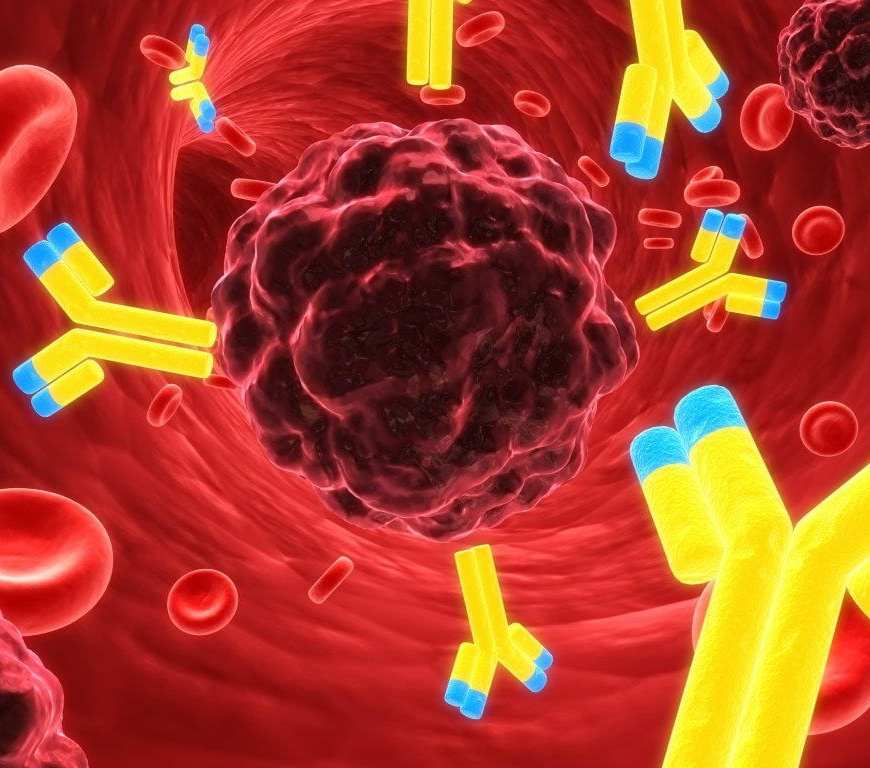
Sean Krivitsky ‘27 Figure 1. Antibodies traveling through the bloodstream. Protein tyrosine phosphorylation is a reversible process in which a phosphate group can be added or removed from tyrosine residues of various proteins by protein tyrosine kinases (PTKs) and protein tyrosine phosphatases (PTPs), respectively. This type of post-translational modification is responsible for regulating many signal transduction pathways in the cell. The activity of a specific … Continue reading Developing Antibodies to Combat Cancer

Breast Cancer Insights and Potential Treatments

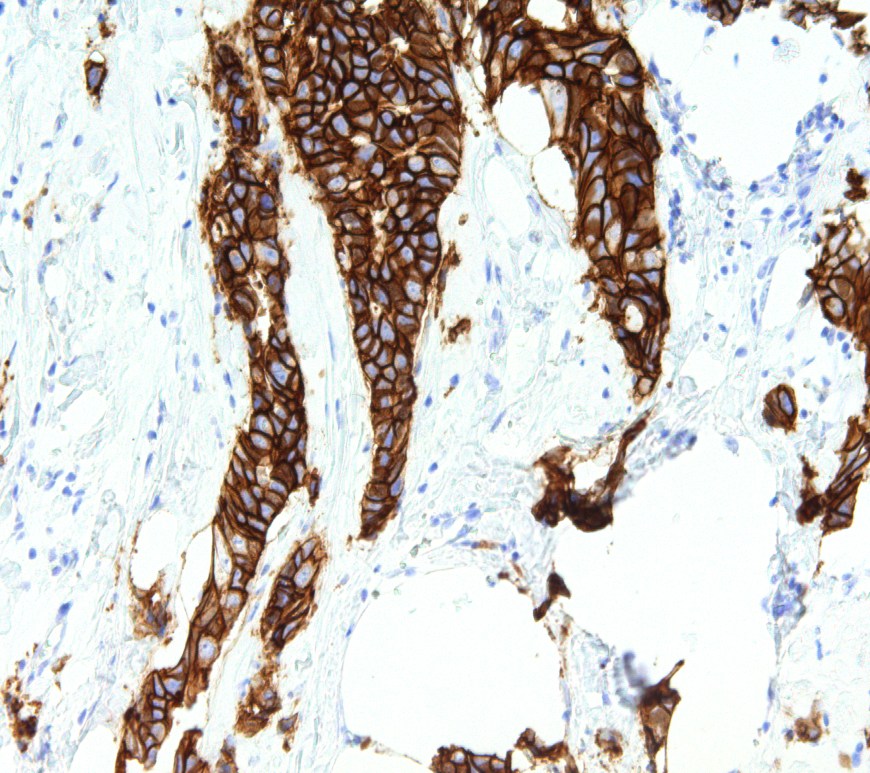
Sean Krivitsky ‘27 Figure 1. HER2 is a protein that has been strongly implicated in many human cancers, particularly breast cancer, and has been demonstrated to induce carcinogenesis through a variety of different mechanisms. This breast cancer tissue has been stained for HER2. Some of the latest research by Stephen J. Collins of the Miller lab, a part of Stony Brook University’s Department of Physiology … Continue reading Breast Cancer Insights and Potential Treatments

How Romantic Relationships May Reduce Inflammation

Sean Krivitsky ‘27 Figure 1. C-reactive protein (CRP) is an acute phase protein, which means that its expression increases when inflammation occurs, making it a useful inflammatory marker. Social relationships have long been recognized as playing an important role in both mental and physical health, and a groundbreaking study has demonstrated that they may influence inflammation. Recent research published in January of 2023 by Tatum … Continue reading How Romantic Relationships May Reduce Inflammation

Urea-Resistability of Shark Myosin: Insights into Protein Stability and Potential Therapeutic Implications

Justin Lim ’26 Figure 1: White shark.jpg Urea, a common byproduct of protein metabolism, is excreted through urine in most urea-producing organisms due to its toxic properties in high concentrations. Specifically, urea’s nitrogen content can destabilize the structure of proteins by weakening their folded structure. Sharks have chemical countermeasures to halt the progression of protein denaturation through the use of trymethylamine N-Oxide (TMAO), a molecule … Continue reading Urea-Resistability of Shark Myosin: Insights into Protein Stability and Potential Therapeutic Implications

Exploiting Replication Fork and Checkpoint Mechanisms: ATR Signaling and Checkpoint Inhibitors Unveil New Avenues for Targeting Cancer Replication Stress

Justin Lim ’26 Figure 1: Breast cancer cells (1).jpg Cancer, a group of diseases characterized by uncontrolled and abnormal cell growth, is generally recognized by its genomic instability built up by bypassing important biological checkpoints. These checkpoints are scattered throughout a cell’s growth period to limit the amount of DNA replication errors and other deleterious mutations during cell division. Due to the evasion of growth … Continue reading Exploiting Replication Fork and Checkpoint Mechanisms: ATR Signaling and Checkpoint Inhibitors Unveil New Avenues for Targeting Cancer Replication Stress

Understanding how the Aging of Germline Cells “Resets” in Offspring

Sean Krivitsky ‘27 Figure 1. Section of a DNA double helix People have long been fascinated by the process of aging as well as the potential to reverse or prevent it. In particular, ribosomal DNA (rDNA) has been found to potentially play a role in aging. As aging occurs, rDNA repeats in the germline are gradually lost over time, as evidenced by the lab’s work … Continue reading Understanding how the Aging of Germline Cells “Resets” in Offspring

Exciting New Approach to Targeting the Mitochondria to Fight Cancer

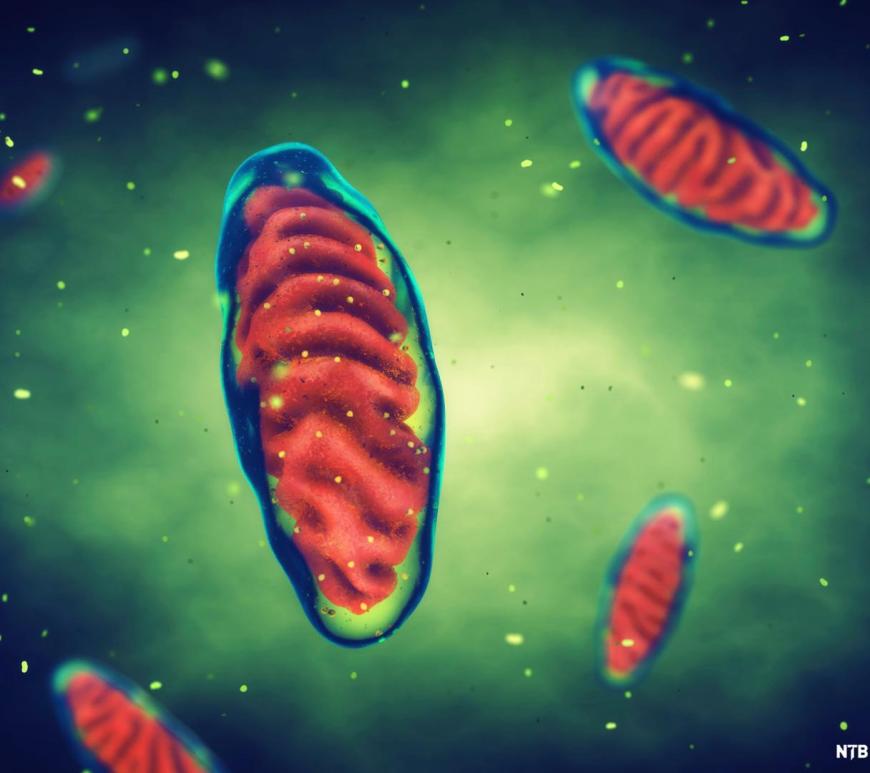
Sean Krivitsky ‘27 Figure 1. Visualization of the mitochondria Unbeknownst to many, the mitochondria plays a significant role in carcinogenesis given the importance of metabolic processes in the formation and maintenance of tumors. CPI-613, more commonly known as devimistat, is a recently developed drug that targets a key metabolic cycle that takes place in the mitochondria of cancer cells, the tricarboxylic acid (TCA) cycle. The … Continue reading Exciting New Approach to Targeting the Mitochondria to Fight Cancer