Bias and Objectivity: Unraveling the Collision of Two Opposing Forces in Science

Daanish Bassi, Grade 11 In the scientific community, millions of academic papers are published each year detailing the research completed by the vast number of scientists all over the globe. As this tremendous amount of research grows even further, it must be objective and free of bias to ensure that it is trustworthy and accurate (1). Realistically, however, the true essence of objective research may … Continue reading Bias and Objectivity: Unraveling the Collision of Two Opposing Forces in Science

Humanity’s Evolution: Natural or Engineered

Fiona Wong, Grade 12 From the humans that swarm the world’s bustling city streets, to every blade of grass lining our front lawns, all of these organisms are made of DNA – and all forms of DNA are composed of four essential building blocks: adenine, thymine, guanine, and cytosine (1). The key differences that contribute to human individuality lie in our DNA sequences; genes code … Continue reading Humanity’s Evolution: Natural or Engineered

The Question of Self-Driving

Shriyans Singh, Grade 12 As technology has advanced, entities such as logistics companies have considered turning to self-driving transportation in order to facilitate lower costs and faster transportation (1). Considering the possibilities of self-driving, the impacts could be radical. Factors such as climate change, costs, and lack of resources makes transportation harder and more important, self driving technology has been improving to attempt to help … Continue reading The Question of Self-Driving

Industrial Waste: Environmental Considerations

Jessica Curran, Grade 12 Technology is finding its way into every corner of our lives including the industrial production process. This use of technology has been able to increase manufacturing efficiency by relying on machinery that can work 24/7 with little error [1]. This way, significantly more goods can be produced, but this comes at the cost of producing significantly more industrial waste. Industrial waste … Continue reading Industrial Waste: Environmental Considerations

Do We Drive Forward?

Richard Zaher, Grade 10 With the coming of the new millennium, the world has experienced the implementation of the use of technology to an extent that is extremely unprecedented. From inventions that seem so sophisticated like the James Webb Hubble Telescope in 2022, or something so valuable yet so ordinary in today’s world like the iPhone, technology has truly revolutionized how we live our lives … Continue reading Do We Drive Forward?

Modeling Marine Turtle Nesting Behavior

By: Kimberly Johnston, Class of 2026 Figure 1: A marine turtle Adult female marine turtles alternate between foraging and nesting phases, with periods of migration in between. Monitoring programs typically obtain data for only part of the nesting season due to a lack of financial support, remote beaches, or a large number of beaches to monitor. To accurately assess population trends, a model must be … Continue reading Modeling Marine Turtle Nesting Behavior

Penguin Nesting Behavior: Effects of Tourism at Port Lockroy

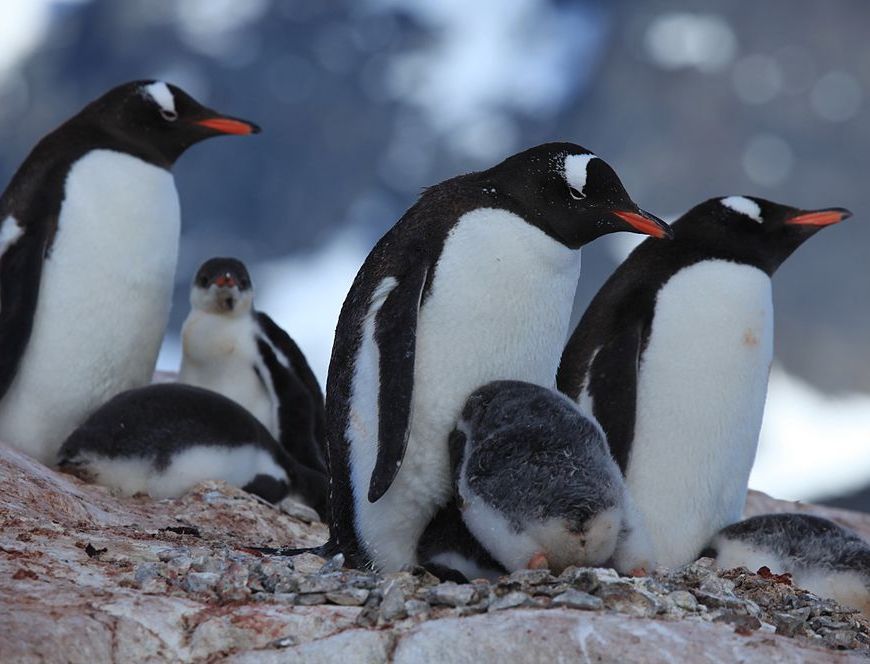
By: Kimberly Johnston, Class of 2026 Figure 1:  Gentoo penguin with chicks at Port Lockroy, Antarctica. Antarctic tourism has raised concerns about the effects of human disturbance on gentoo penguins during their breeding season, which coincides with peak tourist activity. For example, the movement of zodiacs used to transport tourists ashore can disrupt the penguins’ normal routes and foraging areas. However, quantifying the effects of … Continue reading Penguin Nesting Behavior: Effects of Tourism at Port Lockroy

Mature Oligodendrocytes Demonstrate Delayed Cell Death by Alternate Mechanism

By Vignesh Subramanian, Class of 2024 Figure 1: A myelinating oligodendrocyte in a murine brain.  Oligodendrocytes are specialized glial cells in the central nervous system primarily responsible for myelination, the process of ensheathing the axons of neurons in a lipid-rich membrane known as myelin, which insulates the nerve fibers and speeds up the transmission of the action potentials they conduct. Oligodendrocytes are the products of … Continue reading Mature Oligodendrocytes Demonstrate Delayed Cell Death by Alternate Mechanism

Childhood Maltreatment as a Predictor of Neural Activity During Postpartum

Marie Collison, Class of ‘25 Individuals who have experienced childhood maltreatment (CM) in their past have a greater risk of exhibiting behaviors of maltreatment towards their own children. As such, it is important to understand how mothers may respond to their infant cues in context with their past experiences, especially during the often tumultuous postpartum (after-birth) period. Prior research has established that brain responses in … Continue reading Childhood Maltreatment as a Predictor of Neural Activity During Postpartum

Understanding SSRI Withdrawal: Insights Into the Complex Journey

By: Marie Collison, Class of ‘25 Depression is a very common and impairing condition, often resulting in costly care. Selective serotonin reuptake inhibitors (SSRIs) are commonly prescribed as a part of treatment; however, 30–50% of individuals who are prescribed antidepressants do not take them long-term. There are many reasons why a patient may decide to stop taking their medication, such as experiencing negative side effects … Continue reading Understanding SSRI Withdrawal: Insights Into the Complex Journey

Modeling Debris Patterns in the Antarctic to Protect Biodiversity

Marie Collison, Class of ‘25 Image 1 Gentoo penguins in Antarctica Marine pollution is a prominent problem in environmental policy and study. Reports of pollution in organisms in the Antarctic are becoming increasingly common, likely due to increasing human activity, growing tourism, and an expanding krill fishing industry. However, the sources of these pollutants along the West Antarctic Peninsula are still poorly understood. There are … Continue reading Modeling Debris Patterns in the Antarctic to Protect Biodiversity

Uncovering a Novel Biomarker For The Identification of Parkinson’s-Related Diseases

Author: Sean Krivitsky, Class of 2026 Parkinson’s disease is a severe neurodegenerative disorder most commonly occurring in late adulthood. It is primarily characterized by motor dysfunctions such as uncontrollable tremors and stiffness. Since there is no conclusive test for diagnosis of the disorder, neurologists rely on a comprehensive evaluation system, combining symptoms and physical assessments to gauge the likelihood that an individual has Parkinson’s. A … Continue reading Uncovering a Novel Biomarker For The Identification of Parkinson’s-Related Diseases