Odor Tracking in Aquatic Animals

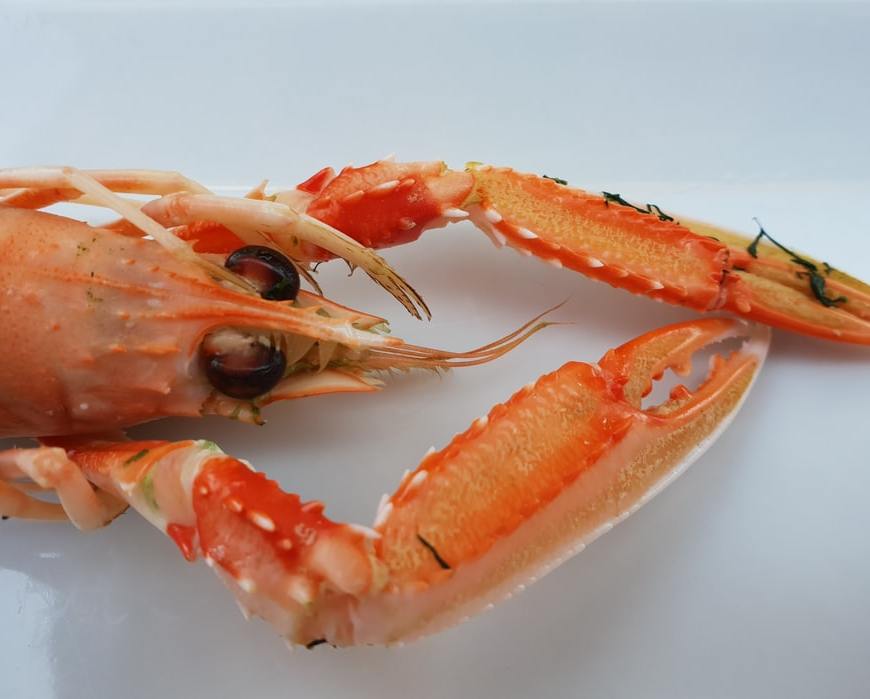
Panayiota Siskos ’23 Animals use intermittent chemical cues to help avoid predators, find mates, and find food. The speed at which some animals forage shows that more instantaneous sensory feedback is also used. Lobsters have multiple sensors to gather information, including sensilla on antennules with chemosensory cells that detect chemical concentrations and mechanosensory cells that find flow and direction. Several are conditionally rhythmically active and … Continue reading Odor Tracking in Aquatic Animals

The Physiological Nature of ASMR in Relation to the Pupil

Panayiota Siskos ’23 Studies have defined ASMR as static-like tingling sensations felt on the skin associated with relaxation and positive feelings, and often start from the back of the head and expand down the spine, and sometimes to the limbs. However, not everyone experiences this, and there is debate regarding whether it is an actual existing phenomenon or if expectancy manipulates influence. Due to its … Continue reading The Physiological Nature of ASMR in Relation to the Pupil

Effects of Huntington’s Disease Pathology Observable in Retinal Function

Vignesh Subramanian ’24 Huntington’s disease (HD) is a genetic neurodegenerative disorder that causes progressive development of involuntary movements and decline of memory and cognitive abilities. The disease is characterized by the aggregation of abnormally long huntingtin protein (mHtt), a product of mutations in the HTT gene that cause excessive ‘CAG’ nucleotide sequence repeats within the protein’s coding DNA sequence. Such mHtt aggregation triggers cell death … Continue reading Effects of Huntington’s Disease Pathology Observable in Retinal Function

Population decoding highlights functional organization of mouse brain

Vignesh Subramanian ’24 Neural coding is the study of how neurons conduct information processing, with the aim of identifying relationships between stimuli and neuronal responses by examining electrical activity. One particular coding scheme, commonly known as population coding, involves generating spatiotemporal representations of activity in clusters of cells as opposed to individual cells. When such representations are mapped onto global topographic organization of an organism’s … Continue reading Population decoding highlights functional organization of mouse brain

What’s the Temperature Like Down There?

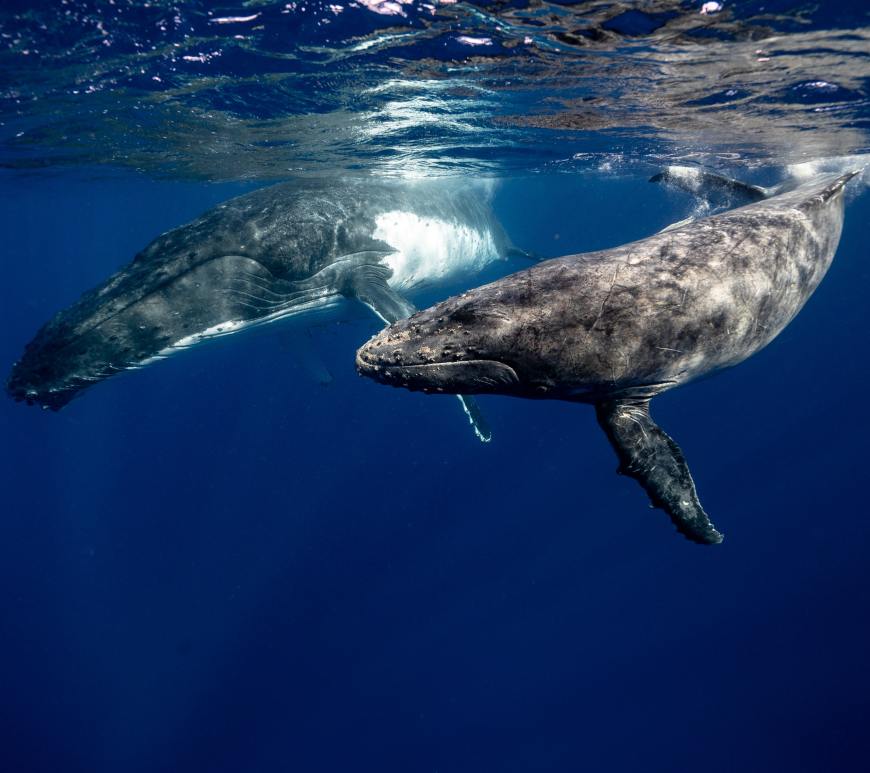
Wendy Wu ’22 Marine mammals are highly sensitive to temperature, often witnessed migrating to warmer/colder waters depending on their preferences. Research into the thermal habitats of marine mammals has so far been based on surface water temperatures. Stephanie Adamczak, a graduate student at the School of Marine and Atmospheric Sciences at Stony Brook University, sought to investigate the impact of deeper water temperatures on habitat … Continue reading What’s the Temperature Like Down There?

Response Inhibition Control in Migraineurs

Wendy Wu ’22 Migraine is a neurological disorder characterized by frequent headaches, particularly prevalent in women. Much research has gone into identifying the causes of migraines with the hope of increasing preventative measures and developing treatment. Although evidence suggests that migraines are caused by an imbalance of cortical excitatory and inhibitory processes, there is little empirical data of actual pathophysiological features underlying response inhibition in … Continue reading Response Inhibition Control in Migraineurs

Visual cues aid in perceiving accented speech

Priyanshi Patel ’22 Previous research has shown that lip reading helps understand difficult speech. However, little research has been conducted on the role of visual information in perceiving accented speech, a type of difficult speech. Communication between native and nonnative English speakers is very common, especially on university campuses. There often exists a language barrier between native students and international students or instructors or teaching … Continue reading Visual cues aid in perceiving accented speech

Lower reaction levels in mothers to their child result in insensitive parenting

Joyce Chen ’23 A mother’s greatest task is to provide a nurturing environment for her child to grow, blossom, and thrive in. The absence of maternal love in a child’s life will cause a strain on the bond between the mother and her child. These neglectful mothers, also known as high-risk mothers, have insensitive reactions to their children’s needs. They rarely respond to their children’s … Continue reading Lower reaction levels in mothers to their child result in insensitive parenting

The Truth Behind the Marie Antoinette Syndrome

Yukta Kulkarni ’22 Before her execution in 1793, French queen Marie Antoinette noticed that her hair was suddenly turning white. Although this story is just folklore, there may be some truth to it in regards to the Marie Antoinette Syndrome, a condition in which one’s hair abruptly turns white. To further explore this syndrome, Zhang et al. designed an experiment measuring the rate of hair … Continue reading The Truth Behind the Marie Antoinette Syndrome

Circadian rhythm directly influences muscle performance in Olympic swimmers

Joyce Chen ’23 Organisms have a specialized inner clock known as the circadian rhythm, which is regulated by the Suprachiasmatic Nucleus (SCN) in the hypothalamus of the brain. Throughout the day, circadian rhythms in the body have direct control over physiological functions, including muscle strength and flexibility. Despite its relevance, there is a lack of research on the effects of circadian rhythms on Olympic athletes. … Continue reading Circadian rhythm directly influences muscle performance in Olympic swimmers

Napping appears to have significant beneficial effects on long-term memory-retention over cramming

Priyanshi Patel ’22 Currently, there is extensive research on the cognitive effects of daytime naps, but not whether naps are a practical way to assist learning. Naps can reduce the likelihood of forgetting episodic memory consisting of life events and experiences. Prior research surrounding memory improvements have led to the idea that naps may be used as a pedagogical tool.  However, there is little evidence … Continue reading Napping appears to have significant beneficial effects on long-term memory-retention over cramming

Monkey Behavior Aids In Understanding Human Cognition

Yukta Kulkarni ’22 The human brain’s prefrontal cortex plays an important role in cognitive behavior. It contains several sections including the lateral prefrontal cortex (LPFC), which is associated with working memory, reasoning, and planning; and the orbitofrontal cortex (OFC), which directs reversal and reinforcement learning, reward evaluation, and alternative option evaluation.  These structures are also present in animals and have similar functions. To learn more … Continue reading Monkey Behavior Aids In Understanding Human Cognition