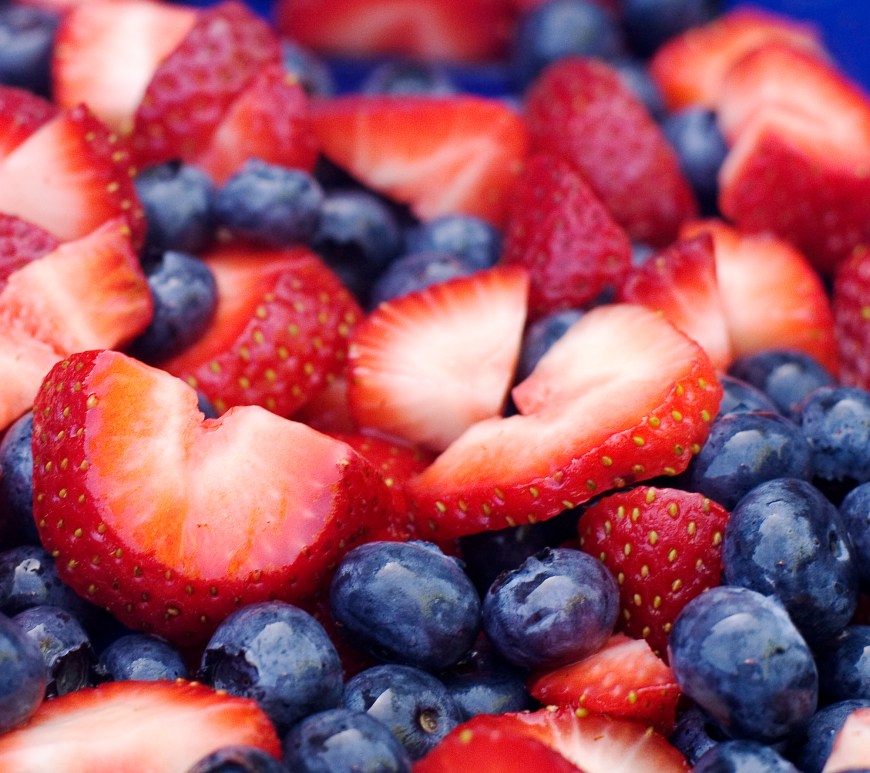
Red Meat, Fiber, and Cancer: A PAF Analysis of The Modern Italian Diet

Sajia Athai, Class of 2026 With new trends on TikTok and Instagram reels, it has become increasingly difficult for most people to avoid Wingstop mukbangs, steak preparation videos, and Chamoy Pickle kits. However, intake of high processed foods and red meat are correlated with negative health outcomes, including an increased risk of colorectal cancer. Led by Paolo Boffetta, a group of researchers in Italy focused … Continue reading Red Meat, Fiber, and Cancer: A PAF Analysis of The Modern Italian Diet

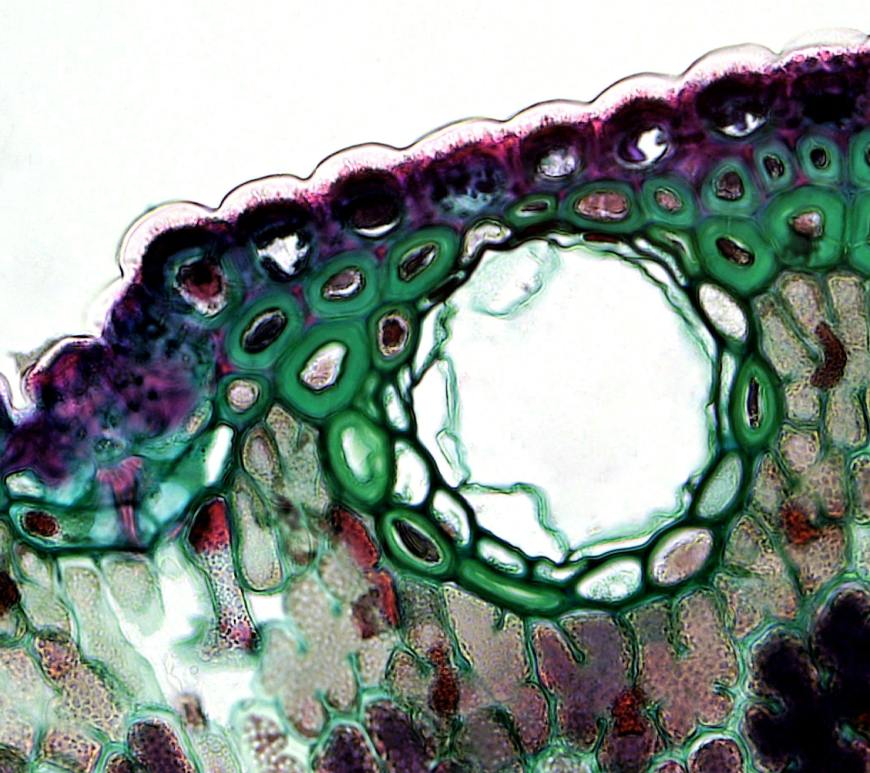
Cysteine-Rich γ-Crystallins Evolutionary Role in Lens Transparency and Function

Eimaan Bilal, Class of 2028 Cysteine (Cys) is a sulfur-containing amino acid found in crystallin proteins that compose our eye’s lens. When Cys is oxidized, it can lead to crystallin protein misfolding and unwanted disulfide bonding, causing light-scattering aggregation. Light-scattering aggregation in crystallin proteins is one of the main contributors to cataract disease, which clouds the lens and can even develop into blindness. Since Cys … Continue reading Cysteine-Rich γ-Crystallins Evolutionary Role in Lens Transparency and Function

Exploring the Potential and Safety of LAB-Derived Bacteriocins in the Food Industry

Eimaan Bilal, Class of 2028 Bacteriocins are activated polypeptides that mostly produce lactic acid group bacteria (LAB) molecules, which have been determined to be safe to use under the Joint Food and Agriculture Organization (FAO). LAB-producing bacteriocin has a wide range of applications in the food industry, ranging from enhancing overall food quality to inhibiting the growth of microorganisms in food packaging. However there is … Continue reading Exploring the Potential and Safety of LAB-Derived Bacteriocins in the Food Industry

Harnessing Mango’s Antioxidants to Combat Insulin Resistance

Tiffany Ang, Class of 2026 Mangos, which are rich in vitamins A and C, are not only a delicious fruit, but are also known for their antioxidant properties. A study published in 2025 investigated the effects of regular mango intake on inflammation and insulin sensitivity in overweight patients with chronic low-grade inflammation. Chronic low-grade inflammation is linked to insulin resistance and poor glycemic control, which … Continue reading Harnessing Mango’s Antioxidants to Combat Insulin Resistance

Unraveling Long COVID: The Silent Impact of Reinfection

Tiffany Ang, Class of 2026 Post-acute sequelae of COVID-19 (PASC), or “Long COVID,” refers to ongoing or new symptoms that persist at least three months after a SARS-CoV-2 infection. Common symptoms include chest pain, cognitive dysfunction, shortness of breath, brain fog, headache, and fatigue. A study by Dr. Luft from Stony Brook University investigated the association between SARS-CoV-2 re-infection and the incidence of PASC among … Continue reading Unraveling Long COVID: The Silent Impact of Reinfection

Osmotic Stress Alters Circadian Rhythm

Asher Agarwal, Class of 2027 The circadian rhythm regulates many physiological processes via transcriptional feedback loops involving proteins such as Bmal1 and Clock. Circadian rhythm is closely tied to cell-cycle progression, and disruptions in one can affect the other. Hypoosmotic stress causes water to rush into a cell, triggering changes in gene regulation to adapt to the stress. Caveolae, protein invaginations in the cell membrane, … Continue reading Osmotic Stress Alters Circadian Rhythm

Can a Change in Diet Improve Non-Motor Symptoms in Parkinson’s Patients?

Asher Agarwal, Class of 2027 Parkinson’s disease (PD), the second most prevalent neurodegenerative disease, is caused by the loss of dopaminergic neurons in the substantia nigra, a region important for the modulation of motor control. The classic triad of Parkinson’s symptoms is tremors, rigidity, and bradykinesia (slowness of movement). Recent research has been investigating the gastrointestinal (GI) symptoms associated with Parkinson’s. Evidence suggests the existence … Continue reading Can a Change in Diet Improve Non-Motor Symptoms in Parkinson’s Patients?

Linking Stress with Poor Cancer Prognosis

Sean Krivitsky, Class of 2026 Stress is a common response many experience amidst various physical, emotional, or psychological challenges. Beyond its significant short-term impacts, chronic stress has been demonstrated to impact cognitive function as well as the health of various systems within the body, including the immune system. Cancer patients in particular often fall victim to chronic stress, which, in turn, has been associated with … Continue reading Linking Stress with Poor Cancer Prognosis

Flavonoids to the Rescue: Combating Age-Related Neurodegeneration

Sean Krivitsky, Class of 2026 Neurodegeneration, which is often associated with aging, leads to the development of serious diseases, including Alzheimer’s disease and Parkinson’s disease, that afflict more than 50 million people worldwide. In addition to their devastating impact, neurodegenerative diseases are particularly problematic regarding their prognosis, diagnosis, and treatment. One of the primary factors underlying the development of neurodegenerative diseases is mitochondrial dysfunction. This … Continue reading Flavonoids to the Rescue: Combating Age-Related Neurodegeneration

Do Signals in the Brain Control Our Taste Preferences?

Kang Lai, Class of 2026 Our perception of taste profoundly influences our calorie intake and food preferences, and even serves as a defense mechanism from harmful substances. The gustatory insular cortex, a key brain region associated with taste, is closely linked to eating patterns and disorders. While neuronal circuits in this region have been studied, its neurochemical signaling remains obscure.  The Maffei lab at Stony … Continue reading Do Signals in the Brain Control Our Taste Preferences?

Ghrelin Recruits the Endocannabinoid system to modulate food reward 

Kang Lai, Class of 2026 Ghrelin, a hormone secreted by the stomach, increases appetite through the activation of growth hormone secretagogue receptors (GHSR), primarily in the hypothalamus and ventral tegmental area (VTA). These are key regions of the brain responsible for reward and motivation due to an abundance of dopamine-releasing neurons. Another player in the food reward system is a family of lipid molecules called … Continue reading Ghrelin Recruits the Endocannabinoid system to modulate food reward 

Pixels to Prognosis: Using AI for Neuroradiologic Analysis

Kaylie Huang, Class of 2027 The role of artificial intelligence (AI) in healthcare is one of curiosity and contention, as studies have shown its potential in early detection and prevention through near-perfect analysis of medical images. Researchers from the Department of Radiology at Stony Brook University Hospital (SBUH) investigated the accuracy of AI interpretations of CT head angiograms, or imaging of the brain’s blood vessels, … Continue reading Pixels to Prognosis: Using AI for Neuroradiologic Analysis