Lipid Accumulation Found as a Mechanism of Cellular Senescence in Parkinson’s Disease

Author: Asher Agarwal, Class of 2027 Figure 1. A man assisting an old patient with taking their medication. Parkinson’s Disease (PD) is a neurodegenerative disorder associated with neuronal death, specifically of the dopaminergic (DA) neurons in the region of the brain responsible for motor coordination and control. The death of these neurons, most commonly due to aging, causes a classic triad of symptoms: bradykinesia (slow … Continue reading Lipid Accumulation Found as a Mechanism of Cellular Senescence in Parkinson’s Disease

Novel Insights Into the Mechanism of DSB Repair During Meiosis Crossover Events

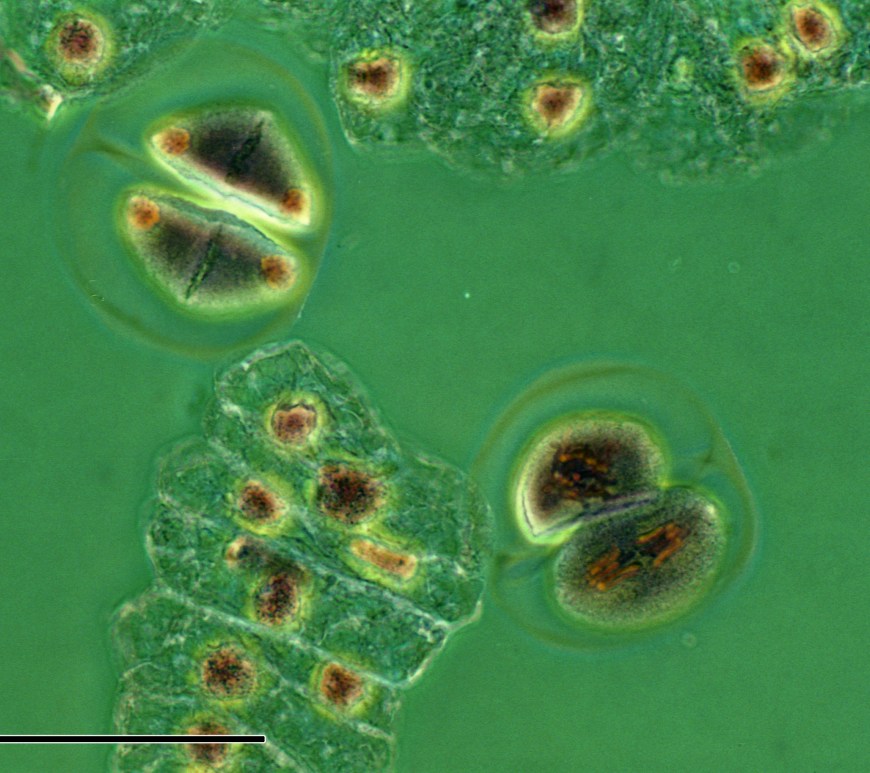
Author: Sean Krivitsky, Class of 2026 Figure 1. Image of cells at various stages of meiosis. Meiosis is a key process underlying sexual reproduction and is responsible for the production of gametes, sperm, and eggs, which are necessary for fertilization. One important aspect of meiosis is that it contributes to the process of genetic diversification through genetic recombination, which involves the crossing over and independent … Continue reading Novel Insights Into the Mechanism of DSB Repair During Meiosis Crossover Events

Back Like They Never Left: How the Remnants of Ancient Viruses May Affect the Progression of Neurological Disease

Author: Luis Caseñas, Class of 2026 Figure 1: Amyotrophic Lateral Sclerosis (ALS) is a neurological disease that triggers the degeneration of one’s Central Nervous System. Specifically, ALS targets motor neurons (pictured above) essential to muscle control and coordination. Amyotrophic Lateral Sclerosis (ALS) is a neurodegenerative disease that targets motor neurons in the Central Nervous System. This degeneration inevitably leads to gradual loss of muscle control … Continue reading Back Like They Never Left: How the Remnants of Ancient Viruses May Affect the Progression of Neurological Disease

FOXO1: A Memory Upgrader for T-cells!

Author: Farzad Hoque, Class of 2028 The persistence and effectiveness of chimeric antigen receptor (CAR) T-cell therapies depend significantly on the ability of these cells to maintain memory-like states while avoiding exhaustion. Recent research has identified the transcription factor FOXO1 as a critical regulator of memory programming in CAR T cells, offering transformative insights into improving therapeutic outcomes. Alexander E. Doan and colleagues conducted a … Continue reading FOXO1: A Memory Upgrader for T-cells!

Understanding the Mechanisms of the Leading Cause of Death in Cancer Patients

Author: Sean Krivitsky, Class of 2026 Figure 1. Animated representation of the release of cytokines in the extracellular environment. Cancer is a disease that wreaks devastation on the bodies of the patients it afflicts. Cancerous tumor cells lead to the sickness observed in cancer patients in a variety of ways, but one of the primary causes of cancer-related sickness and death is referred to as … Continue reading Understanding the Mechanisms of the Leading Cause of Death in Cancer Patients

Mature Oligodendrocytes Demonstrate Delayed Cell Death by Alternate Mechanism

By Vignesh Subramanian, Class of 2024 Figure 1: A myelinating oligodendrocyte in a murine brain.  Oligodendrocytes are specialized glial cells in the central nervous system primarily responsible for myelination, the process of ensheathing the axons of neurons in a lipid-rich membrane known as myelin, which insulates the nerve fibers and speeds up the transmission of the action potentials they conduct. Oligodendrocytes are the products of … Continue reading Mature Oligodendrocytes Demonstrate Delayed Cell Death by Alternate Mechanism

Linking Key Immune System Components to Cancer Progression

Author: Sean Krivitsky, Class of 2026 Breast cancer is the most frequently diagnosed form of cancer in the world and is one of the leading causes of cancer-related deaths. Triple-negative breast cancer (TNBC), a common type of breast cancer, is fast-growing and is associated with consistent poor prognosis. Unlike several other types of breast cancer, TNBC possesses a unique pathogenic mechanism, which means that it … Continue reading Linking Key Immune System Components to Cancer Progression

Diminished Glymphatic Transport and Lymphatic Drainage Tied to Cerebral Amyloid Angiopathy

Author: Vignesh Subramanian, Class of 2024 Cerebral amyloid angiopathy (CAA) is a cerebrovascular disorder characterized by the accumulation of amyloid protein deposits along cortical capillaries, cerebral vessel walls, and the brain’s leptomeninges. These plaques weaken fragile blood vessels, often resulting in intracerebral hemorrhaging. CAA is linked to vascular cognitive impairment and dysfunction and is a major contributor to the pathogenesis of Alzheimer’s disease (AD) and … Continue reading Diminished Glymphatic Transport and Lymphatic Drainage Tied to Cerebral Amyloid Angiopathy

Promoters of Neurodegeneration in ALS

 Sean Krivitsky ‘27 Figure 1. Drosophila melanogaster was used by the Dubnau lab as a model organism to characterize TDP-43 pathology in ALS. TAR-DNA-Binding protein (TDP-43) is an alternative splicing factor that, upon abnormal phosphorylation, can become mislocalized and aggregate in cells. This has been identified as a potential mechanism for the development of impactful neurodegenerative diseases such as amyotrophic lateral sclerosis (ALS), frontotemporal dementia … Continue reading Promoters of Neurodegeneration in ALS

Developing Antibodies to Combat Cancer

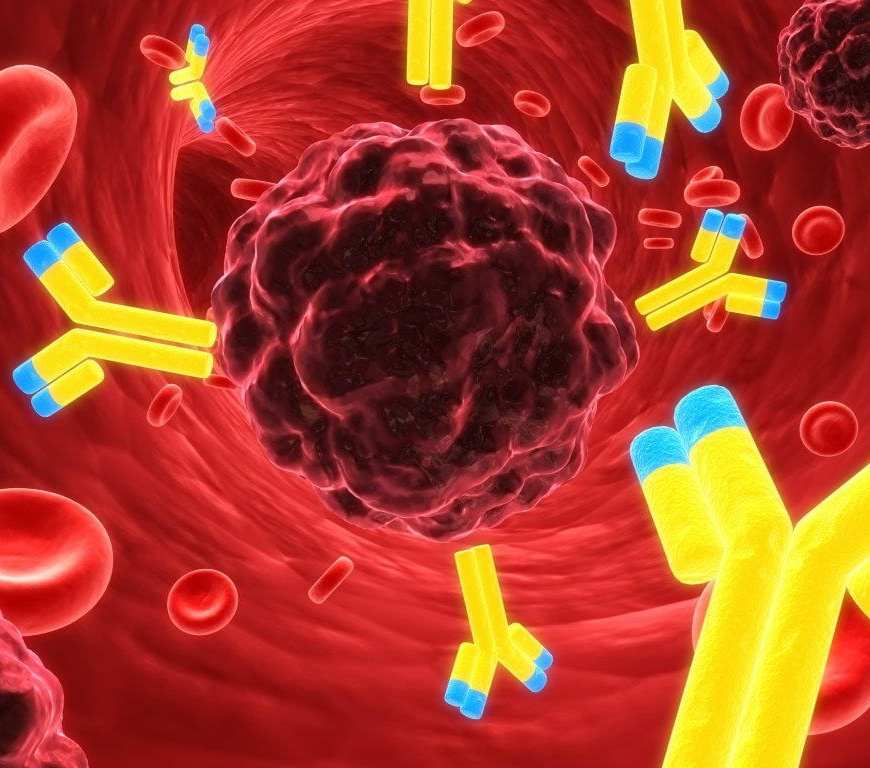
Sean Krivitsky ‘27 Figure 1. Antibodies traveling through the bloodstream. Protein tyrosine phosphorylation is a reversible process in which a phosphate group can be added or removed from tyrosine residues of various proteins by protein tyrosine kinases (PTKs) and protein tyrosine phosphatases (PTPs), respectively. This type of post-translational modification is responsible for regulating many signal transduction pathways in the cell. The activity of a specific … Continue reading Developing Antibodies to Combat Cancer

How Romantic Relationships May Reduce Inflammation

Sean Krivitsky ‘27 Figure 1. C-reactive protein (CRP) is an acute phase protein, which means that its expression increases when inflammation occurs, making it a useful inflammatory marker. Social relationships have long been recognized as playing an important role in both mental and physical health, and a groundbreaking study has demonstrated that they may influence inflammation. Recent research published in January of 2023 by Tatum … Continue reading How Romantic Relationships May Reduce Inflammation

Urea-Resistability of Shark Myosin: Insights into Protein Stability and Potential Therapeutic Implications

Justin Lim ’26 Figure 1: White shark.jpg Urea, a common byproduct of protein metabolism, is excreted through urine in most urea-producing organisms due to its toxic properties in high concentrations. Specifically, urea’s nitrogen content can destabilize the structure of proteins by weakening their folded structure. Sharks have chemical countermeasures to halt the progression of protein denaturation through the use of trymethylamine N-Oxide (TMAO), a molecule … Continue reading Urea-Resistability of Shark Myosin: Insights into Protein Stability and Potential Therapeutic Implications