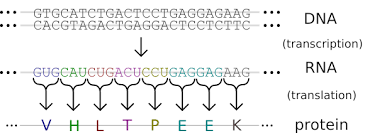
Understanding how the Aging of Germline Cells “Resets” in Offspring

Sean Krivitsky ‘27 Figure 1. Section of a DNA double helix People have long been fascinated by the process of aging as well as the potential to reverse or prevent it. In particular, ribosomal DNA (rDNA) has been found to potentially play a role in aging. As aging occurs, rDNA repeats in the germline are gradually lost over time, as evidenced by the lab’s work … Continue reading Understanding how the Aging of Germline Cells “Resets” in Offspring

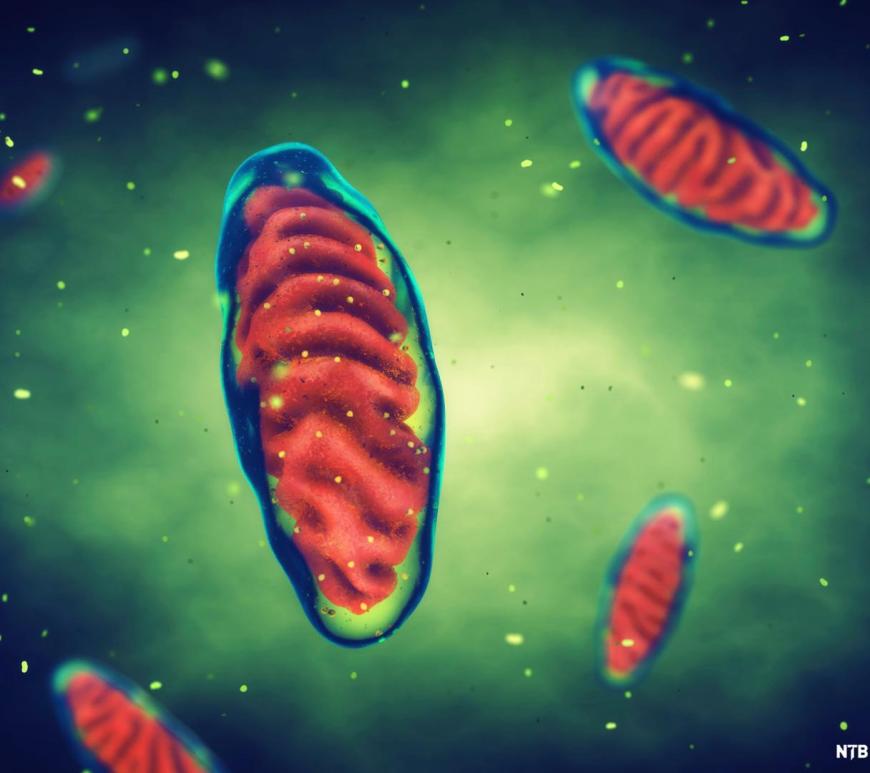
Exciting New Approach to Targeting the Mitochondria to Fight Cancer

Sean Krivitsky ‘27 Figure 1. Visualization of the mitochondria Unbeknownst to many, the mitochondria plays a significant role in carcinogenesis given the importance of metabolic processes in the formation and maintenance of tumors. CPI-613, more commonly known as devimistat, is a recently developed drug that targets a key metabolic cycle that takes place in the mitochondria of cancer cells, the tricarboxylic acid (TCA) cycle. The … Continue reading Exciting New Approach to Targeting the Mitochondria to Fight Cancer

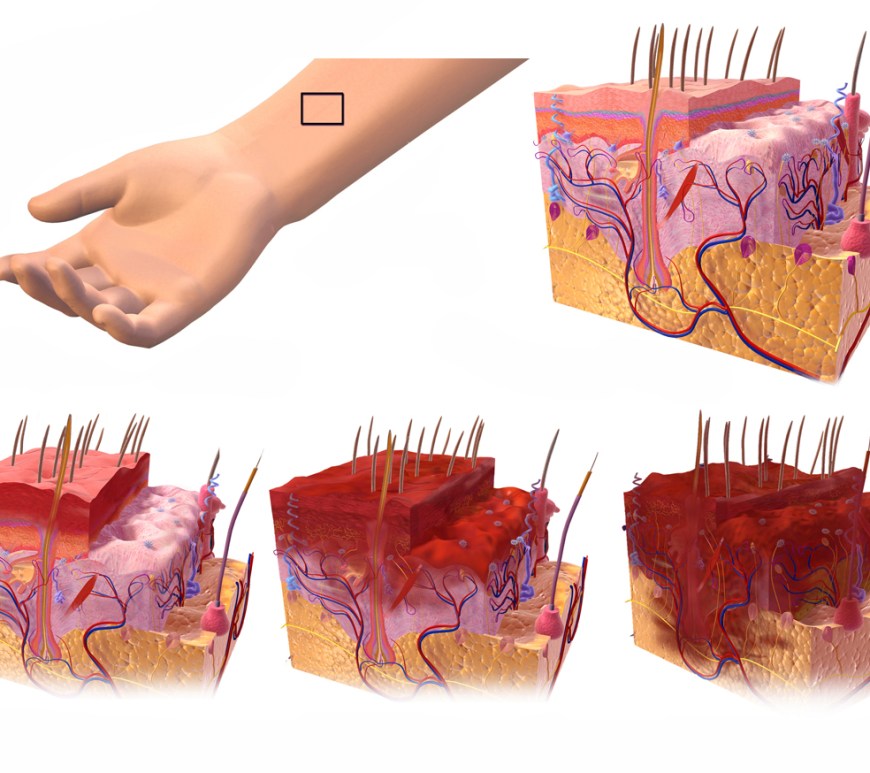
Improved initial assessments of severe skin burns allow for more accurate assertion of whether or not surgical intervention is required for healing

Maria Sazonova ’26  Burn injuries can result in significant skin necrosis and deep tissue damage. Severe skin burn injuries are dynamic and hard to predict; therefore, initial assessment is paramount because it forms the basis for a subsequent treatment plan. A group of Stony Brook University scientists led by M. Hassan Arbab, funded by The National Institute of General Medical Sciences, created a neural network … Continue reading Improved initial assessments of severe skin burns allow for more accurate assertion of whether or not surgical intervention is required for healing

Insight on Histone Modification Mechanism Using Arabidopsis thaliana Flower 

Julia Chivu ’23 Histone modifications play an essential role in the development and adaptation of plants. Histones are proteins that are involved in the packaging of DNA into chromatin. Histone modification can result in the regulation of gene expression in response to stress, temperature, light, and pathogen attack. The majority of histone-modifying enzymes– such as histone deubiquitinases– are not able to bind DNA. As a … Continue reading Insight on Histone Modification Mechanism Using Arabidopsis thaliana Flower 

A Genetic Change Delivered via Gel Treatment for Epidermolysis bullosa Patients Shows Promise

Melanie Karniewich ’25 Epidermolysis bullosa (EB) is a rare genetic condition that causes serious blisters to the skin from minor occurrences like rubbing or scratching the skin. In severe cases, blistering can happen inside the body like the mouth or lining of the stomach. Mutations in EB disable genes for the specific proteins that allow the layers of someone’s skin and the lining of organs … Continue reading A Genetic Change Delivered via Gel Treatment for Epidermolysis bullosa Patients Shows Promise

Mosquito Magnets: Coincidence or Chemicals?

Peter Gillespie ’25 Mosquitos continue to become a burden on global health as rampant vectors for disease, embedding threatening viruses beneath itchy welts that are a nuisance in themselves. However, while one person might return from a mosquito-laden environment riddled with these welts, another might escape unscathed. New research from De Olbadia et al. reveals that this phenomenon is not mere unlucky coincidence, but rather … Continue reading Mosquito Magnets: Coincidence or Chemicals?

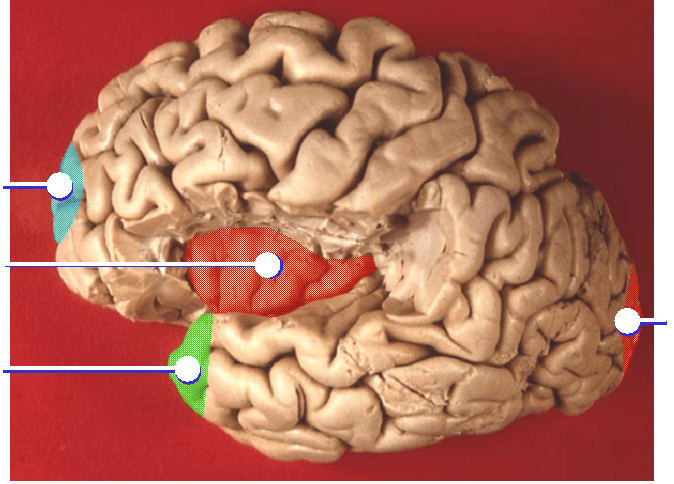
Lack of CLOCK Regulator Protein May Predict Focal Seizure Susceptibility

By Vignesh Subramanian ’24 Focal seizure activity originates at particular foci﹣those being lobes, regions or hemispheres – of abnormal brain tissue and may emanate outward.  Epilepsy is a chronic central nervous system disorder characterized by uncontrolled electrical activity in the brain that triggers recurrent, spontaneous seizures. The majority of new epilepsy cases involve focal epilepsy, in which seizure activity originates in a particular “focus” or … Continue reading Lack of CLOCK Regulator Protein May Predict Focal Seizure Susceptibility

NSC-Derived Antibody Proves a Selective NSC Marker

Vignesh Subramanian ’24 Neural stem cells (NSCs) are multipotent cells capable of differentiating into the major types of mature cells in the central nervous system (CNS) – neurons and glia – and giving rise to unlimited generations of those cells. Alongside progenitor cells, which are descended from NSCs and differentiate into specific target cells, NSCs are critical in advancing neurogenesis, the development of neurons from … Continue reading NSC-Derived Antibody Proves a Selective NSC Marker

CRISPR-Edited Stem Cells as a Potential Therapeutic Target for Cancer in Immunocompromised Individuals

Simran Kaur ‘20 CRISPR-Cas9 technology has been used to edit the mammalian genome for decades, allowing scientists to remove, add, and change sections of DNA sequences. The human immunodeficiency virus (HIV) does not have a cure that exists, but studies have shown that allogeneic transplantation of STEM cells into diagnosed patients can eradicate the virus. CCR5 is the coreceptor for the entry of HIV into … Continue reading CRISPR-Edited Stem Cells as a Potential Therapeutic Target for Cancer in Immunocompromised Individuals

The Potential for Targeted Cancer Therapy

Aditi Kaveti ‘23 Human bodies rely on tumor suppressors to regulate cell production. The bromodomain-containing protein 9 (BRD9) RNA molecule is an important tumor suppressor for many types of cancer, including uveal melanoma, chronic lymphocytic leukemia, and pancreatic cancer. BRD9 is extremely important because it represses abnormal cell reproduction and the formation of tumors. A mutation in the gene that produces the BRD9 RNA molecule … Continue reading The Potential for Targeted Cancer Therapy

Metabolic Reactions Activated During 58-hour Fasting

By Ellie Teng ‘21 Fasting is an ancient component in numerous religions and cultures. Individuals seeking weight loss often practice fasting, making it a prominent topic in the nutrition field. A team of scientists from the Okinawa Institute of Science and Technology Graduate University and Kyoto University recently found that fasting comes with innumerable health benefits. Blood samples from four healthy individuals who fasted for … Continue reading Metabolic Reactions Activated During 58-hour Fasting

In Situ Administration of Cytokine Combinations Could Be the Future of Immunotherapy

By Riya Gandhi ‘22 Rather than look outwards for new cancer treatments, scientists are beginning to look inwards – that is, inside the human body – for advanced therapeutic treatments. Although the use of cytokines, biomolecules that direct an immune response,in cancer therapy has been attempted for decades, there is still room for much improvement. In a recent study on cytokines, researchers under the guidance … Continue reading In Situ Administration of Cytokine Combinations Could Be the Future of Immunotherapy