Watermelon Snow: A Medium for Antibiotic Resistance Research

Author: Marie Collison, Class of ‘25 A common adaptation of bacteria is antibiotic resistance, a very important field of study in microbiology and medicine. Antibiotic resistance genes (ARGs) can arise naturally and exist as an important natural survival tool for bacteria. ARGs have risen in frequency in human-inhabited regions as a result of increased use of antibiotics. As a result, there is growing concern over … Continue reading Watermelon Snow: A Medium for Antibiotic Resistance Research


Is Chamomile Actually a Risk for Surgery?

Author: Marie Collison, Class of ‘25 Chamomile is a plant that is widely used in herbal medicine for a wide variety of reasons. It has been reported to have anti-inflammatory, antioxidant, anticarcinogenic, antidepressive, and sedative properties. Despite these benefits, current medical recommendations list chamomile as a substance that should not be ingested prior to surgery due to fears that it may increase the risk of … Continue reading Is Chamomile Actually a Risk for Surgery?

Implications of the role sphingosine kinase 1 plays in the formation of tumors in p53 knockout mice

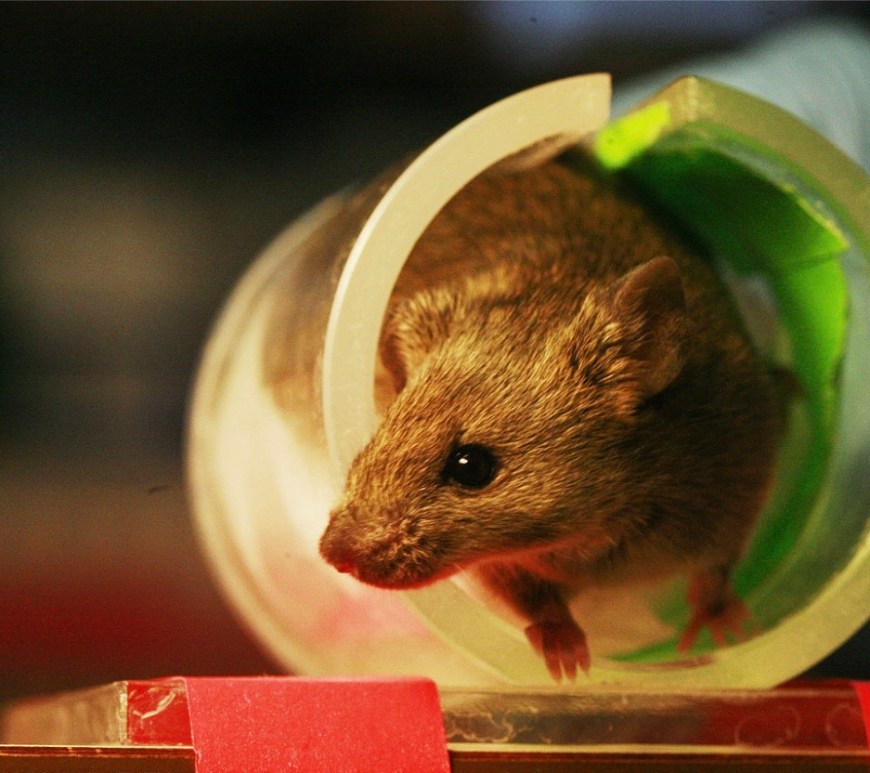
Author: Marie Collison ‘25 Cancer is a universally known disease that can be caused by a variety of defects in the genetic code of cells. A very important molecule in the regulation of cellular proliferation is the tumor suppressor protein 53, more commonly known as p53. Mutations or deletions in the p53 gene sequence are detected in the majority of cancers, including several subtypes of … Continue reading Implications of the role sphingosine kinase 1 plays in the formation of tumors in p53 knockout mice

Diminished Glymphatic Transport and Lymphatic Drainage Tied to Cerebral Amyloid Angiopathy

Author: Vignesh Subramanian, Class of 2024 Cerebral amyloid angiopathy (CAA) is a cerebrovascular disorder characterized by the accumulation of amyloid protein deposits along cortical capillaries, cerebral vessel walls, and the brain’s leptomeninges. These plaques weaken fragile blood vessels, often resulting in intracerebral hemorrhaging. CAA is linked to vascular cognitive impairment and dysfunction and is a major contributor to the pathogenesis of Alzheimer’s disease (AD) and … Continue reading Diminished Glymphatic Transport and Lymphatic Drainage Tied to Cerebral Amyloid Angiopathy

Exploring the Therapeutic Potential of Melatonin in Endometriosis Management

Author: Kimberly Johnston ’26 Endometriosis is defined by the growth of endometrial tissue outside the uterus where it does not belong. It occurs in about 10% of women of reproductive age and leads to chronic pelvic pain and infertility. Despite the prevalence of this disease, its cause remains unknown. While there is no known cure to endometriosis, there are methods of symptom management, including hormone … Continue reading Exploring the Therapeutic Potential of Melatonin in Endometriosis Management

Exploring Drug Repurposing for Lacunar Stroke Prevention

Author: Kimberly Johnston ’26 Drug repurposing is a strategy that aims to find new applications for drugs that have already been proven safe and effective in humans. Lacunar stroke, characterized by reduced blood flow to the deep structures of the brain, can significantly impair a person’s movement, speech, and cognitive functions. Preventative treatments typically focus on managing hypertension, diabetes, and high cholesterol as these conditions … Continue reading Exploring Drug Repurposing for Lacunar Stroke Prevention

Novel Therapeutic Insights to Barth Syndrome

Author: Sean Krivitsky ‘26 Barth syndrome is a rare, severe genetic disorder that primarily affects muscle development and the heart’s ability to efficiently pump blood. It is most common in males given that it is an X-linked disorder and it is known to significantly reduce life expectancy. Despite the severity of Barth syndrome, there are limited therapies available to treat this disease. This condition is … Continue reading Novel Therapeutic Insights to Barth Syndrome

EN1 Protein Has Been Recognized as Playing a Key Role in Pancreatic Cancer

Author: Sean Krivitsky ‘26 Pancreatic cancer stands out as one of the most severe forms of cancer, accounting for the third most cancer-related deaths. Pancreatic ductal adenocarcinoma (PDA) is a form of pancreatic cancer that involves a high degree of metastasis, which refers to the ability of the cancer to spread. This cancer develops as a result of mutations that result in the activation of … Continue reading EN1 Protein Has Been Recognized as Playing a Key Role in Pancreatic Cancer

Promoters of Neurodegeneration in ALS

 Sean Krivitsky ‘27 Figure 1. Drosophila melanogaster was used by the Dubnau lab as a model organism to characterize TDP-43 pathology in ALS. TAR-DNA-Binding protein (TDP-43) is an alternative splicing factor that, upon abnormal phosphorylation, can become mislocalized and aggregate in cells. This has been identified as a potential mechanism for the development of impactful neurodegenerative diseases such as amyotrophic lateral sclerosis (ALS), frontotemporal dementia … Continue reading Promoters of Neurodegeneration in ALS

Developing Antibodies to Combat Cancer

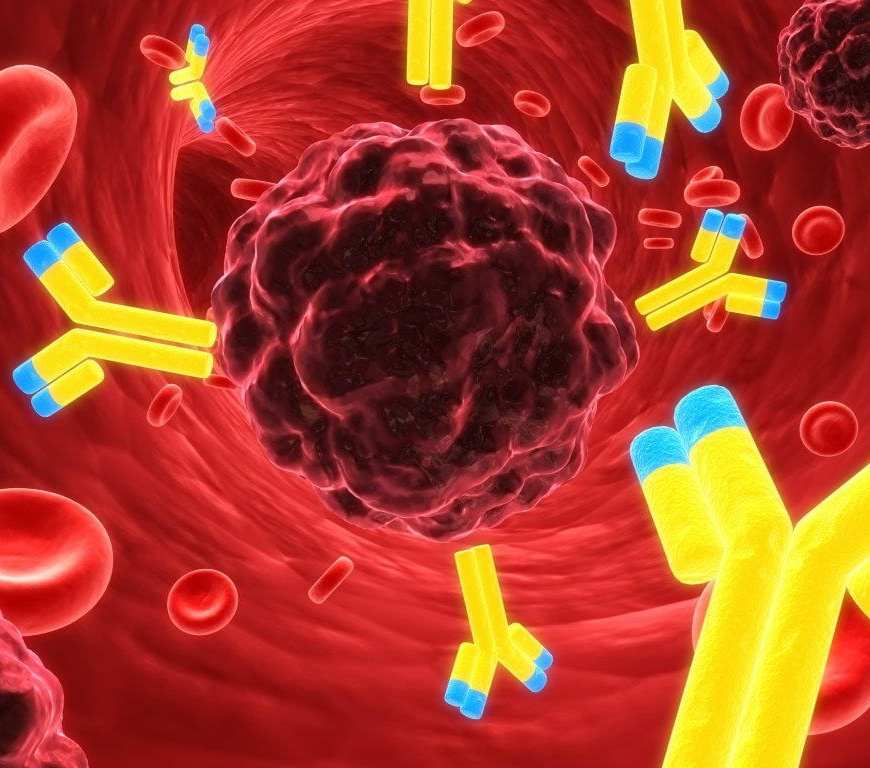
Sean Krivitsky ‘27 Figure 1. Antibodies traveling through the bloodstream. Protein tyrosine phosphorylation is a reversible process in which a phosphate group can be added or removed from tyrosine residues of various proteins by protein tyrosine kinases (PTKs) and protein tyrosine phosphatases (PTPs), respectively. This type of post-translational modification is responsible for regulating many signal transduction pathways in the cell. The activity of a specific … Continue reading Developing Antibodies to Combat Cancer

Breast Cancer Insights and Potential Treatments

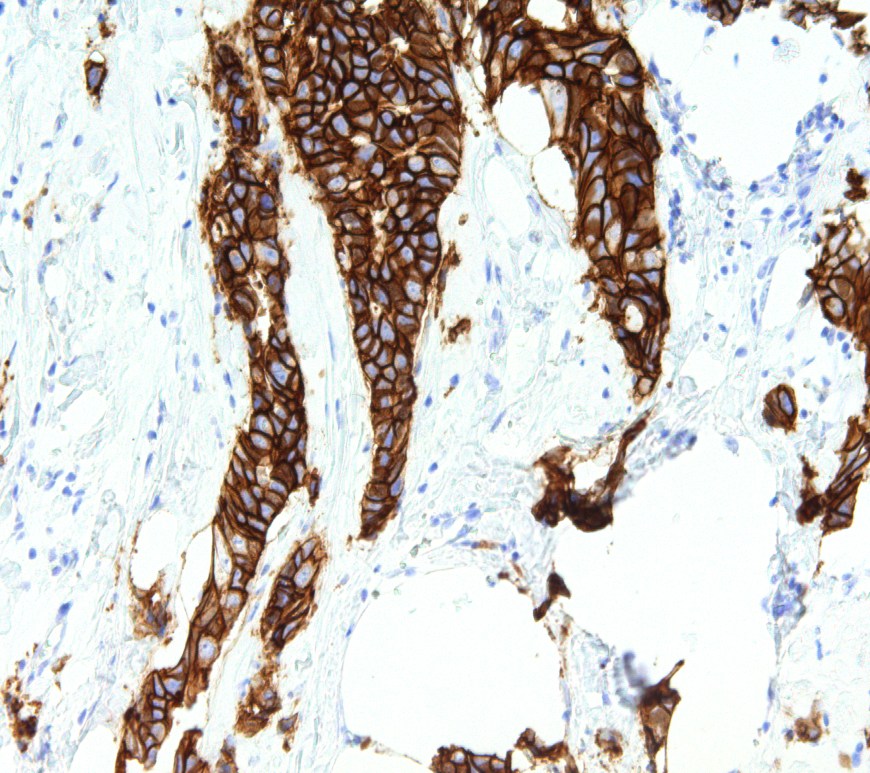
Sean Krivitsky ‘27 Figure 1. HER2 is a protein that has been strongly implicated in many human cancers, particularly breast cancer, and has been demonstrated to induce carcinogenesis through a variety of different mechanisms. This breast cancer tissue has been stained for HER2. Some of the latest research by Stephen J. Collins of the Miller lab, a part of Stony Brook University’s Department of Physiology … Continue reading Breast Cancer Insights and Potential Treatments

How Romantic Relationships May Reduce Inflammation

Sean Krivitsky ‘27 Figure 1. C-reactive protein (CRP) is an acute phase protein, which means that its expression increases when inflammation occurs, making it a useful inflammatory marker. Social relationships have long been recognized as playing an important role in both mental and physical health, and a groundbreaking study has demonstrated that they may influence inflammation. Recent research published in January of 2023 by Tatum … Continue reading How Romantic Relationships May Reduce Inflammation