Using SIRT1 Activators to Treat Tuberculosis

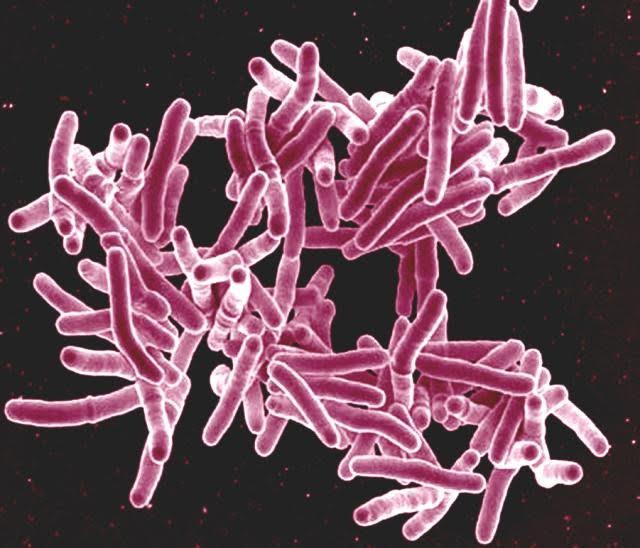
    By: Richard Liang 18’ Tuberculosis (TB) is a highly infectious disease that can remain dormant for many years. Currently, treatment options are limited by Mycobacterium tuberculosis’s ability evade the immune system and mutate into drug-resistant strains. Outbreaks are a more pressing concern in developing countries, where health care is less accessible. In a recent study led by Catherine Y. Cheng from the Singapore … Continue reading Using SIRT1 Activators to Treat Tuberculosis


Peptide Microarrays Can Identify Tuberculosis Antibody Responses

  By Caleb Sooknanan ’20 Tuberculosis (TB) is the world’s most prominent cause of death by infection. Scientists have become increasingly interested in the humoral immune responses associated with TB, but it is difficult to find the antigenic targets that correspond to specific stages of TB infection and disease. Dr. Davide Valentini and researchers at Karolinska Institutet conducted a study to determine whether peptide microarray … Continue reading Peptide Microarrays Can Identify Tuberculosis Antibody Responses

Photocurable Bioinks and 3D-Printed Hydrophilic Drugs

  By Caleb Sooknanan ’20 Pharmaceutical dosages are often defined as the amount of active pharmaceutical ingredient (API) that has a therapeutic effect in the most patients. Using such a generalized method does not account for variations in patient genomic and pathophysiological status, leading to potential negative side-effects. Personalized medicine intends to provide patients with more individualized API concentrations in their prescriptions. However, changes in … Continue reading Photocurable Bioinks and 3D-Printed Hydrophilic Drugs

Figure 1. Mammalian brains can be influenced by non-genetic and Allele-Specific expression

Sending Your Grandparents to University Increases Cognitive Reserve: The Tasmanian Healthy Brain Project

By Ericka Berman   One way to decrease the likelihood of Alzheimer’s disease is by increasing cognitive reserves (CR). Research supports the idea that education, intelligence, and cognitively stimulating activities modify the risk for dementia. CR is a theoretical construct, so it is measured indirectly. Dr. Megan Lenehan and her team of researchers used data from 459 participants ages 50-79 from the Tasmanian Healthy Brain Project … Continue reading Sending Your Grandparents to University Increases Cognitive Reserve: The Tasmanian Healthy Brain Project

Blunted Neural Response to Rewards as a Prospective Predictor of the Development of Depression in Adolescent Girls

    By Ericka Berman Previous studies have shown that during adolescence, rates of depression increase markedly, and girls tend to have rates of depression twice as high as boys. Depressed adults were also shown to exhibit a decreased behavioral response to a reward and less brain activity in regions associated with reward processing in comparison to healthy adults. Dr. Brady Nelson and his team … Continue reading Blunted Neural Response to Rewards as a Prospective Predictor of the Development of Depression in Adolescent Girls

Norepinephrine Transporter in Major Depressive Disorder: A PET Study

    Ericka Berman Major depressive disorder (MDD) is a debilitating illness characterized by low mood and loss of interest in activities. In MDD, the neurotransmitter norepinephrine is believed to be dysregulated, contributing to the depressive symptoms. The goal of this study was to test norepinephrine transporter availability in patients with MDD in attempt to identify potential associations with clinical symptoms. Previous studies have looked … Continue reading Norepinephrine Transporter in Major Depressive Disorder: A PET Study

Medicinal Properties Discovered in Certain Toad Species

By Rideeta Raquib ’19 Traditional medicinal compounds utilized to treat various diseases, ranging from stomach disorders to some types of cancers, are common in toads, specifically the Bufonidae family.  Scientists at the University of Panama, Panama’s government research center INDICASAT AIP, Vanderbilt University in Tennessee, and Acharya Nagarjuna University in Guntur, India, came together to identify several chemical components of the traditional medicines acquired from … Continue reading Medicinal Properties Discovered in Certain Toad Species

Hearing Restoration Via Gene Delivery

By Rideeta Raquib ’19 Inner ear disease disrupts a key sense of hearing for many people worldwide. However, gene therapy can treat inner ear disease if reagents are introduced into appropriate cells. A group of researchers from Harvard Medical School and the Massachusetts Hospital managed to effectively restore hearing in mice by utilizing gene therapy. The inefficacy of vectors transferred into hair cells is a … Continue reading Hearing Restoration Via Gene Delivery

New Blood Test Detects Variant Creutzfeldt-Jakob Disease

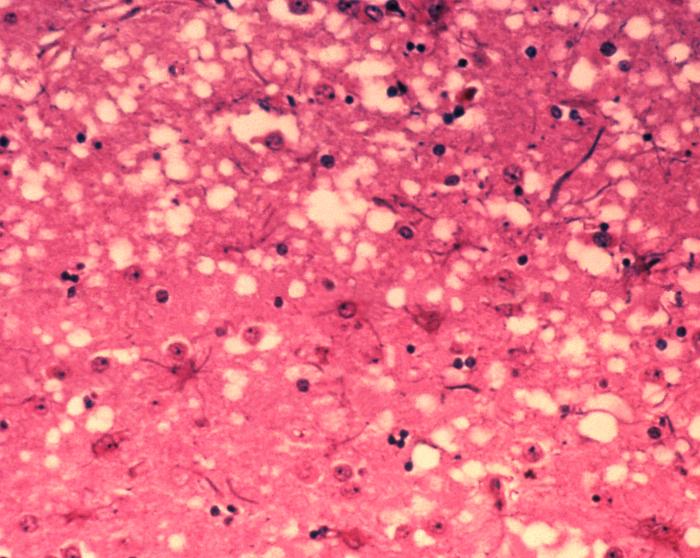
Patrick Yang ’20 Variant Creutzfeldt-Jakob disease (vCJD), commonly known as the human form of mad cow disease, is a neurodegenerative condition that is transmitted from infected cattle to humans. The disease’s long incubation stage allows for an asymptomatic period when prions, or infectious proteins, multiply in the brain with no sign of infection. On average, infected individuals die one to two years after onset of … Continue reading New Blood Test Detects Variant Creutzfeldt-Jakob Disease

Solar Cells Could Power Medical Implants

  By Rideeta Raquib ‘19 Electronic implants are usually powered by batteries. Rechargeable batteries, which are rare, require continuous charging and primary batteries require implant replacements if they are completely used up. Thus, lead researcher Dr. Lukas Bereuter, and his research team at the University of Bern in Switzerland investigated whether sunlight could serve as an alternative source of energy to power medical implants.   Models … Continue reading Solar Cells Could Power Medical Implants

Isolated Antibodies Protect Against Zika in Mice

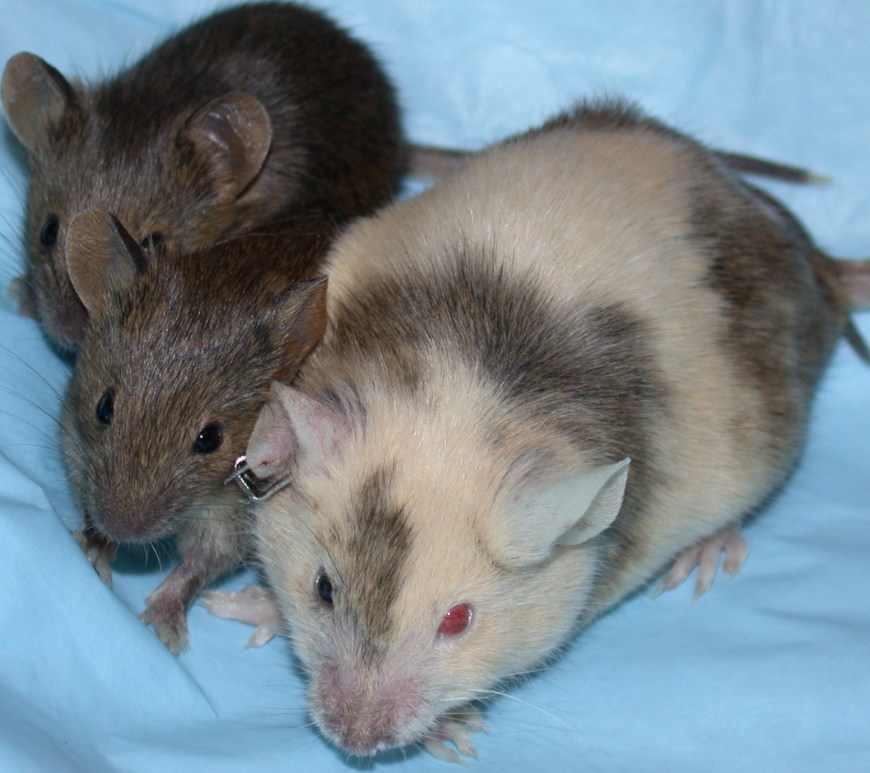
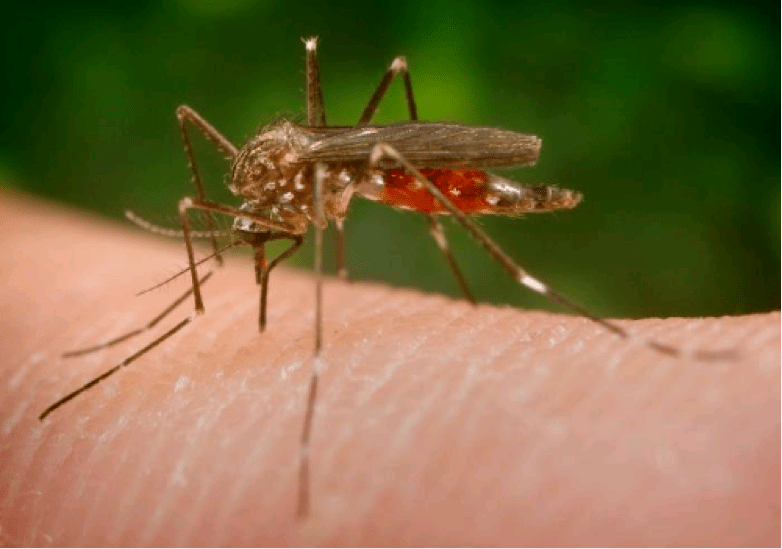
An antibody found in humans might be able to fight the Zika virus which is transmitted through mosquitos. Patrick Yang ‘20 Zika virus’s 2015-2016 outbreak that infected more than 80,000 people gained much attention because of the severe birth defects caused by it. Although Zika is no longer an international public health emergency, treatment and preventative measures must still be developed in anticipation for a … Continue reading Isolated Antibodies Protect Against Zika in Mice

Harvesting Energy with Magnetic Springs

      Michael D’Agati ‘18 Developing better ways to power portable electronic or wireless sensor systems has become more desirable in our increasingly mobile world. Multiple projects have proposed harvesting mechanical stresses from the human body to power these devices, but many of them use piezoelectric materials, which create current in a circuit due to changes in pressures on the material. Many small piezoelectric … Continue reading Harvesting Energy with Magnetic Springs